
Insights
Multilingual Safety: Reducing Workplace Injuries in Southwest Indiana Factories
Published January 2, 2026 · By Jacob Brown
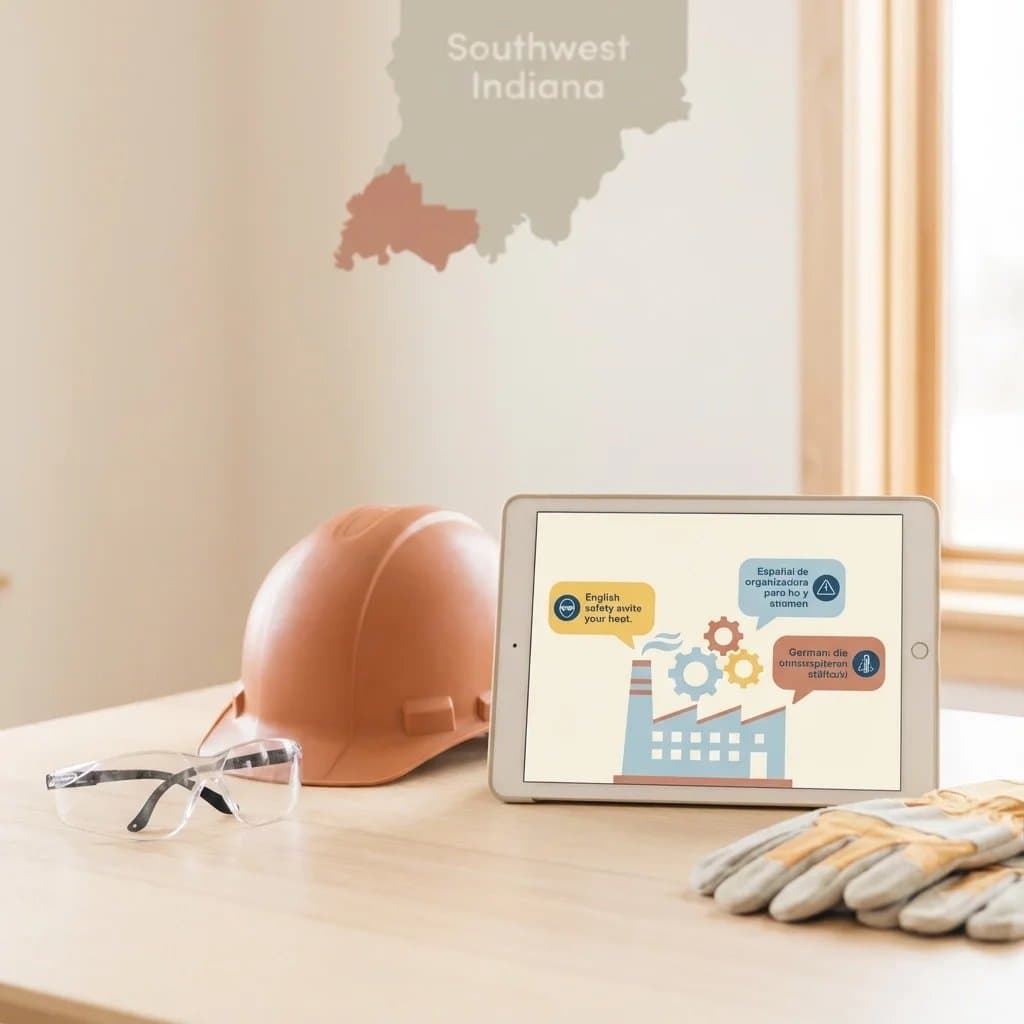
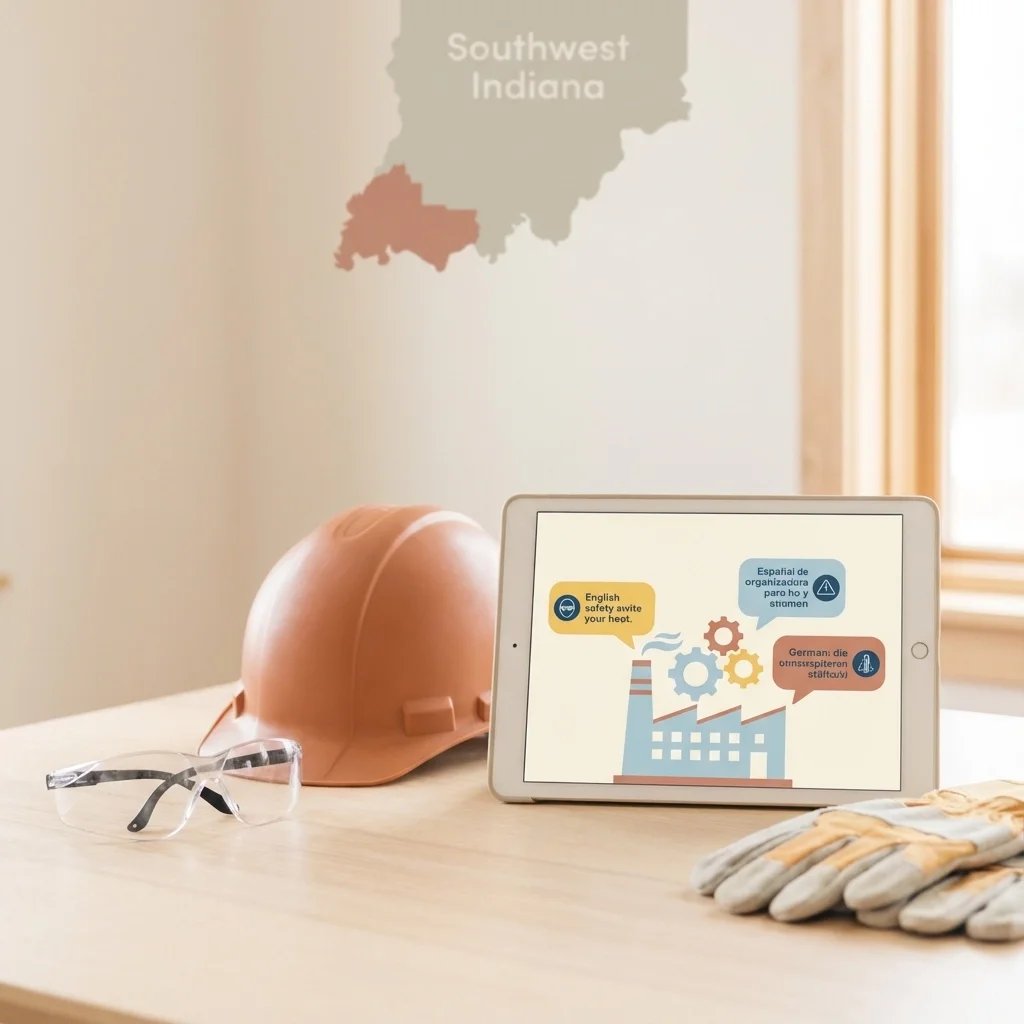
Last month, a major automotive parts manufacturer near Jasper reported a 35% reduction in workplace injuries after implementing comprehensive multilingual safety training. This isn't an isolated success story: it's part of a growing trend across Southwest Indiana's manufacturing corridor, where facilities from Evansville to Newburgh are discovering that language barriers aren't just communication challenges: they're serious safety hazards.
The Hidden Cost of Language Barriers in Manufacturing
Southwest Indiana's manufacturing sector employs thousands of workers who speak Spanish, Burmese, Somali, Arabic, and dozens of other languages. While this diversity strengthens our regional workforce, it also creates communication gaps that can turn routine operations into dangerous situations.
Consider what happens when a machine operator doesn't fully understand emergency shutdown procedures, or when a new employee misinterprets safety signage during their first week on the floor. These scenarios play out daily in factories across the tri-state area, contributing to workplace injuries that are entirely preventable.
The numbers tell a stark story. According to recent workplace safety data, miscommunication ranks among the top five causes of manufacturing accidents in Indiana. When you factor in the cost of workers' compensation claims, OSHA fines, production delays, and training replacement workers, a single preventable injury can cost a mid-sized manufacturer upward of $50,000.
Why Traditional Safety Training Falls Short
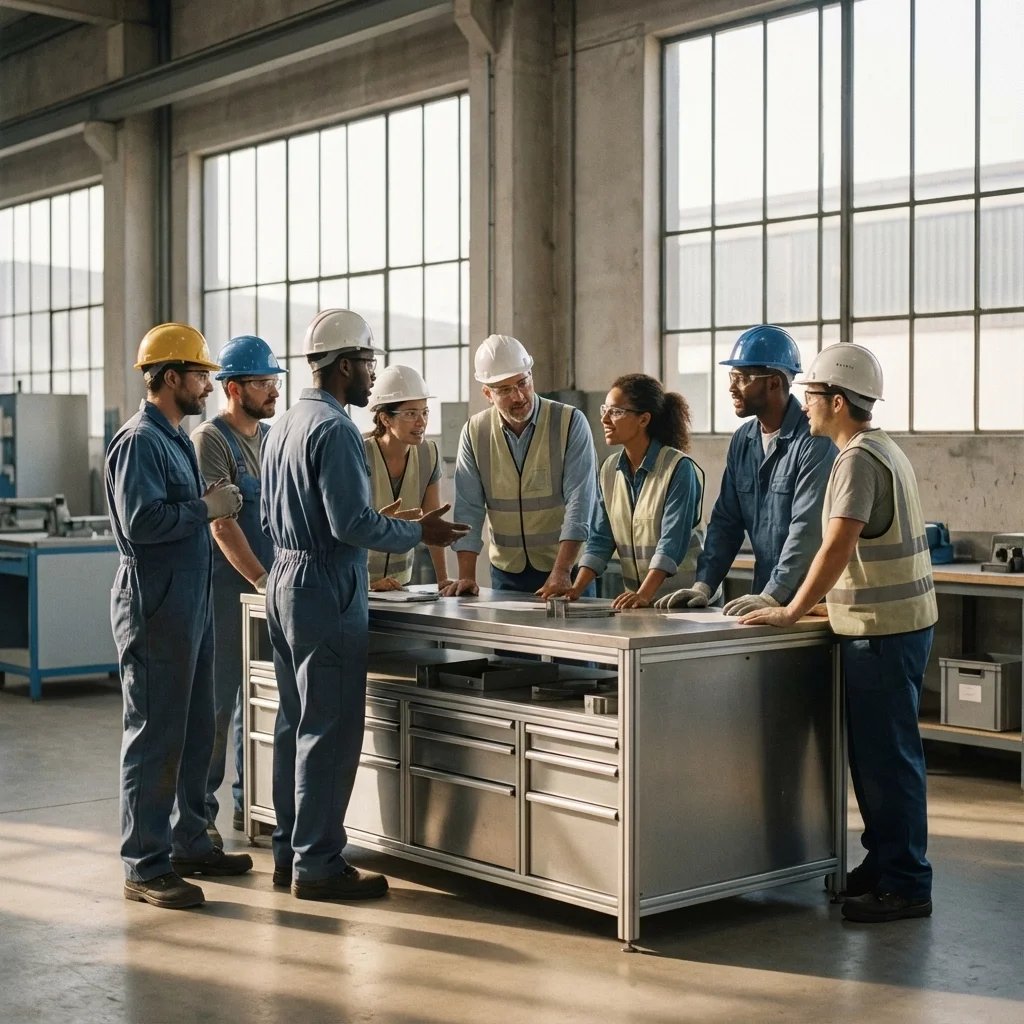
Most manufacturing facilities rely on English-only safety materials and assume that bilingual supervisors can bridge communication gaps when needed. This approach creates several critical vulnerabilities:
Critical information gets lost in translation. When safety instructions are filtered through informal interpreters: often coworkers with limited training: essential details disappear. A simple instruction like "lock out, tag out" becomes confusing when translated incorrectly, potentially leading to equipment-related injuries.
Emergency situations don't wait for language assistance. During a chemical spill, equipment malfunction, or fire alarm, workers need to respond immediately based on their training. If that training wasn't delivered in their primary language, precious seconds of confusion can escalate into serious accidents.
Compliance documentation becomes problematic. OSHA requires that safety training be delivered in a manner that workers can understand. Facilities that can't demonstrate effective multilingual training face increased liability during inspections and incident investigations.
The consequences extend beyond individual accidents. Manufacturing plants that struggle with language-related safety issues often see higher turnover, reduced productivity, and damaged team morale. Workers who feel unsafe or misunderstood don't stay long, creating a costly cycle of recruitment and retraining.
The Southwest Indiana Manufacturing Landscape
Our region's manufacturing strength comes from companies like Berry Plastics in Evansville, Kimball International in Jasper, and the numerous automotive suppliers throughout Spencer and Dubois counties. These facilities have built competitive advantages through diverse workforces, but many are still learning how to harness that diversity safely and effectively.
The challenge is particularly acute in food processing, automotive assembly, and chemical manufacturing: industries where safety protocols are complex and the margin for error is minimal. A miscommunication about temperature controls in a food plant or chemical handling procedures in a manufacturing facility can have consequences that extend far beyond the immediate workplace.
Local economic development officials recognize this challenge. The Southwestern Indiana Economic Development Coalition has identified workforce communication as a key factor in attracting new manufacturing investments to the region. Companies considering locations near the I-64 corridor want assurance that they can operate safely with multilingual teams.
Proven Solutions for Multilingual Safety
Forward-thinking manufacturers across Southwest Indiana are implementing comprehensive language access strategies that go far beyond basic translation. These approaches address safety communication holistically, creating safer workplaces while building stronger teams.
Professional On-Site Safety Interpreting
The most effective manufacturers work with professional interpreting services to deliver safety training that every worker can understand completely. This means having certified interpreters present during:
New employee orientation and safety onboarding
Monthly safety meetings and toolbox talks
Equipment training and certification sessions
Incident investigation interviews
OSHA compliance training and refresher courses
Professional interpreters understand manufacturing terminology and safety concepts, ensuring that technical information is conveyed accurately. They're also trained to ask clarifying questions and confirm understanding: something that informal translation often misses.
Comprehensive Document Translation
Safety doesn't stop with verbal training. Effective multilingual safety programs include translation of critical documents:
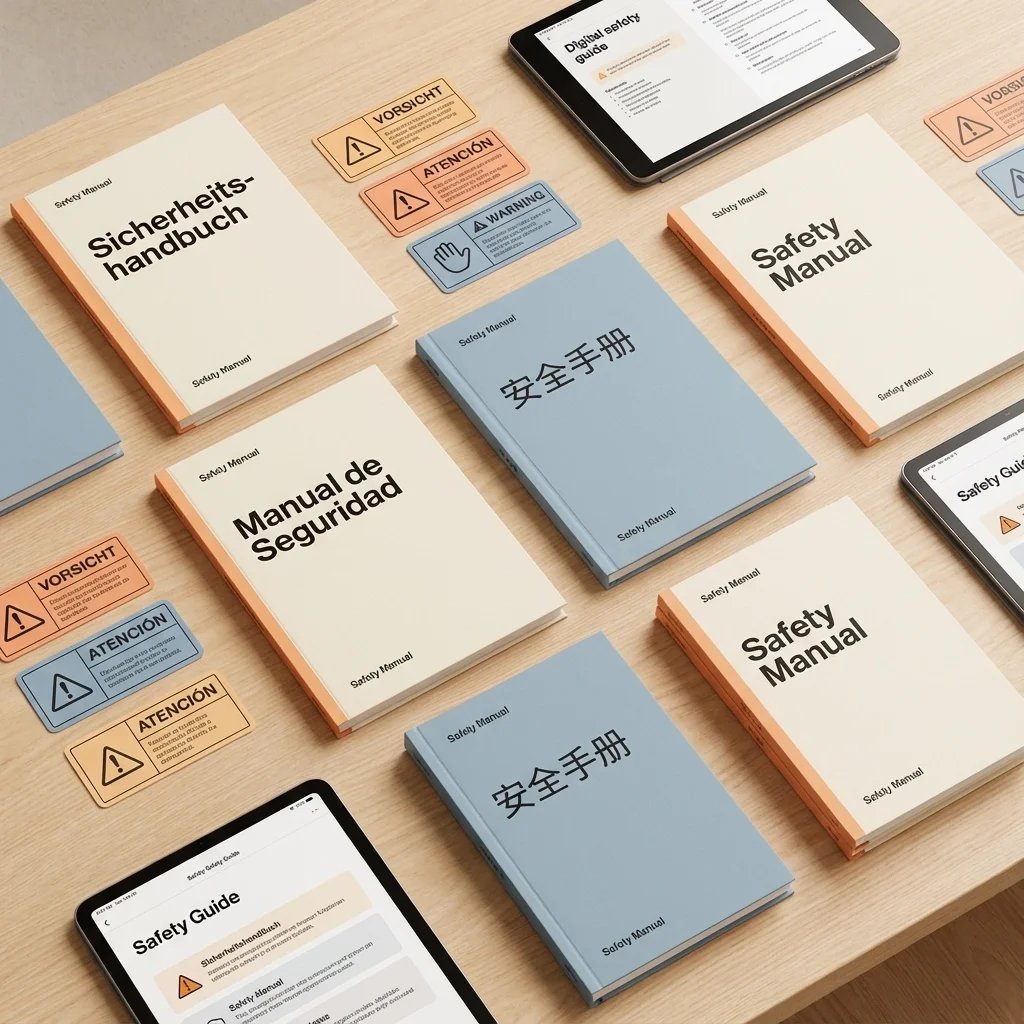
Standard Operating Procedures (SOPs): Step-by-step work instructions translated into workers' primary languages, with technical terms handled by certified translators who understand manufacturing processes.
Safety signage and placards: Warning signs, emergency procedures, and equipment labels that workers encounter throughout their shifts.
Emergency response plans: Evacuation procedures, chemical spill responses, and emergency contact information available in multiple languages.
Training materials and handbooks: Employee handbooks, safety manuals, and ongoing training resources that workers can reference independently.
The key is working with certified translation services that understand both the technical requirements and the legal compliance aspects of workplace safety documentation.
Technology Integration for Real-Time Support
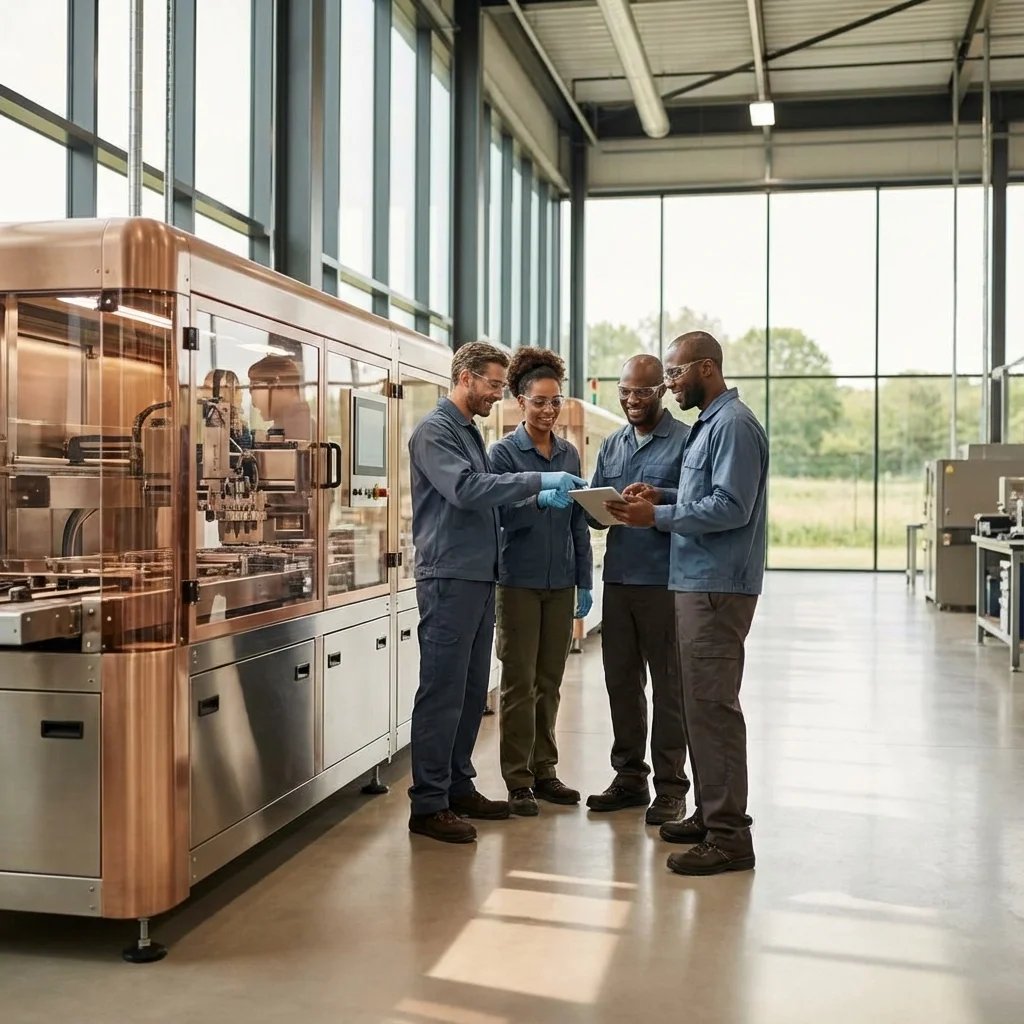
Modern manufacturing facilities are incorporating technology solutions that provide immediate language support when needed. This includes:
Video remote interpreting for urgent situations: When an incident occurs or a complex safety question arises, workers can access professional interpreters via tablet or smartphone within minutes.
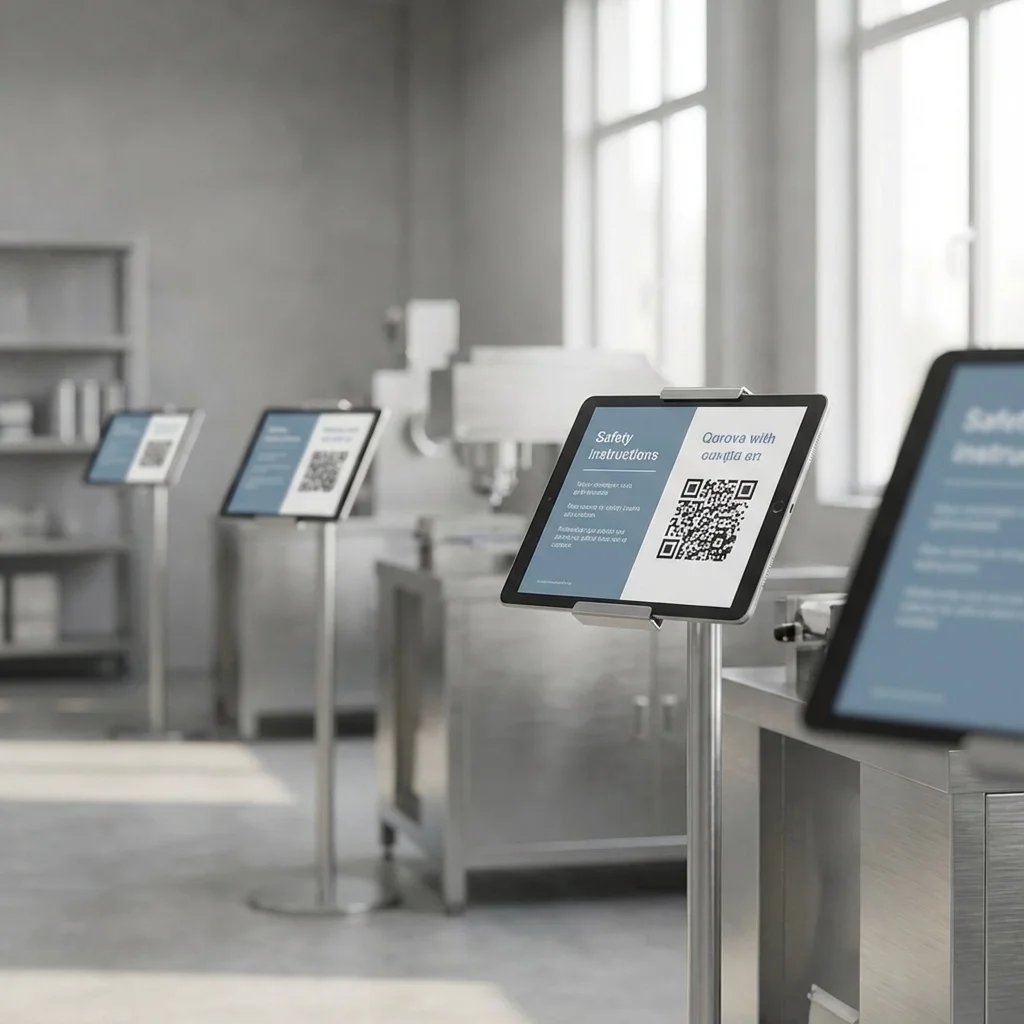
Multilingual digital safety resources: QR codes on equipment and work stations that link to safety instructions in multiple languages, allowing workers to review procedures in their preferred language.
Translation apps for routine communications: While not suitable for critical safety training, professional translation apps can support day-to-day operational communications.
Implementation Strategies That Work
Successful multilingual safety programs don't happen overnight. The most effective Southwest Indiana manufacturers follow a systematic approach:
Start with Assessment
Begin by conducting a comprehensive language needs assessment. Identify which languages are spoken by your workforce, which safety-critical roles involve non-English speakers, and where communication gaps currently exist. This assessment should include input from supervisors, safety managers, and workers themselves.
Prioritize High-Risk Areas
Focus initial efforts on the most safety-critical operations. Areas involving hazardous materials, heavy machinery, or complex emergency procedures should receive priority attention for multilingual safety implementation.
Partner with Regional Experts
Southwest Indiana manufacturers benefit from working with local language service providers who understand the regional workforce and industrial landscape. Heartland Language Services has extensive experience supporting manufacturing facilities throughout the tri-state area, providing both on-site interpreting and certified document translation services tailored to industrial environments.
Create Ongoing Support Systems
Effective multilingual safety isn't a one-time training event: it's an ongoing process. Establish regular multilingual safety meetings, create feedback mechanisms for non-English speaking workers, and ensure that new safety procedures are consistently translated and communicated.
Measure and Improve
Track key metrics including incident rates, training completion rates, and worker feedback scores. Use this data to continuously refine your multilingual safety approach and demonstrate ROI to leadership.
Real-World Results from Local Facilities
A plastic manufacturing facility in Newburgh implemented comprehensive multilingual safety training after experiencing several preventable accidents involving Spanish-speaking workers. Within six months, they reported:
40% reduction in safety incidents
95% improvement in safety training test scores among non-English speakers
Significant increase in safety-related reporting from multilingual workers
Reduced workers' compensation costs and insurance premiums
The facility's safety manager noted that workers began proactively reporting potential hazards and participating more actively in safety meetings once language barriers were removed. This cultural shift toward safety awareness became one of the program's most valuable outcomes.
Another success story comes from a food processing plant near Jasper, where management partnered with professional language services to translate all safety documentation and provide regular interpreting for safety meetings. The plant not only achieved improved safety metrics but also passed a surprise OSHA inspection with commendation for their comprehensive approach to multilingual worker protection.

Cost Considerations and ROI
Manufacturing executives often question the investment required for comprehensive multilingual safety programs. However, the costs are typically far lower than the potential expenses of preventable accidents.
Consider these typical expenses:
Professional interpreting for safety training: Approximately $150-250 per session, depending on language and duration
Document translation for safety materials: Usually $0.15-0.25 per word for certified translation
Ongoing multilingual safety support: Monthly retainer arrangements often provide significant cost savings
Compare these proactive investments to the average cost of a workplace injury in manufacturing: which OSHA estimates at $42,000 per incident when factoring in direct and indirect costs.
Many Southwest Indiana manufacturers find that their multilingual safety programs pay for themselves within the first year through reduced incidents, lower insurance premiums, and improved worker retention. The investment becomes even more attractive when considering the enhanced reputation and competitive advantage that comes with a demonstrably safe workplace.
Beyond Compliance: Building Competitive Advantage
Effective multilingual safety programs do more than prevent accidents: they create competitive advantages that benefit the entire organization. Manufacturers with strong language access programs report:
Enhanced recruitment capabilities: Word spreads quickly through communities when employers demonstrate genuine commitment to worker safety and communication. This reputation makes it easier to attract and retain quality multilingual workers.
Improved productivity: When workers understand safety procedures completely, they operate more confidently and efficiently. Clear communication reduces errors, rework, and production delays.
Stronger team cohesion: Multilingual safety programs demonstrate respect for all workers, creating more inclusive workplace cultures that benefit everyone.
Customer and investor confidence: Major customers and business partners increasingly evaluate suppliers based on workplace safety and social responsibility metrics. Strong multilingual safety programs enhance these evaluations.
Taking Action: Your Next Steps
If your Southwest Indiana manufacturing facility is ready to enhance workplace safety through better multilingual communication, start with these immediate actions:
Conduct a language barrier assessment to identify current gaps and risks in your safety communication. Survey your workforce to understand language preferences and assess comprehension of current safety materials.
Review recent incident reports for any patterns that might indicate communication-related factors. Look for accidents involving non-English speaking workers or situations where misunderstanding may have played a role.
Evaluate your current safety training materials for translation needs. Prioritize documents and procedures that are most critical for immediate safety protection.
Ready to take comprehensive action? Contact Heartland Language Services for a complimentary safety language audit. Our manufacturing language specialists will assess your current multilingual safety approach and provide specific recommendations for improvement. We've helped dozens of Southwest Indiana manufacturers create safer workplaces through professional interpreting and certified translation services.
For immediate resources, download our comprehensive guide to multilingual workplace safety implementation. This resource includes checklists, budget planning tools, and case studies from successful regional manufacturers who have transformed their safety outcomes through better communication.
Your workers' safety shouldn't depend on language barriers. With the right multilingual safety approach, your Southwest Indiana facility can achieve world-class safety performance while building a stronger, more inclusive workplace culture. The question isn't whether you can afford to invest in multilingual safety( it's whether you can afford not to.)

About the author
Jacob Brown
Jacob Brown shares practical guidance from Heartland Language Services on clear, reliable communication for multilingual workplaces.
Keep reading
Related articles
May 4, 2026
Multilingual Safety Meetings: How On-Site Interpreters Reduce Workplace Injuries in Indiana Factories
Read article →July 27, 2026
Multilingual Incident Reporting Indiana: A Manufacturing Guide
When a safety concern, injury, near miss, or equipment issue must be reported, every employee needs a practical way to speak up and be understood. This guide helps Tri-State manufacturers plan language support before an incident occurs.
Read article →July 16, 2026
OSHA Safety Training Interpreters for Indiana Manufacturers
Indiana manufacturers face OSHA violations and worker injuries when language barriers block safety training. Heartland Language's certified OSHA safety training interpreters serve Evansville, Jasper, Henderson KY, and Louisville KY — closing the gap between attendance and understanding.
Read article →