
Insights
Manufacturing Workplace Safety: Language Barriers in Kentucky Plants
Published January 8, 2026 · By Jacob Brown


A recent OSHA inspection at a Henderson County manufacturing facility revealed a troubling pattern: three preventable workplace injuries in six months, all involving Spanish-speaking employees who misunderstood critical safety procedures. The plant's safety manager later discovered that while workers nodded during English-only safety briefings, they understood less than half of the life-saving information being shared.
This scenario isn't unique to Henderson County. Across Kentucky's thriving manufacturing corridor: from Louisville's industrial zones to smaller plants in Owensboro and Bowling Green: language barriers are creating dangerous gaps in workplace safety that cost companies thousands in OSHA fines, workers' compensation claims, and most importantly, put employees at unnecessary risk.
The Hidden Crisis in Kentucky Manufacturing
Kentucky's manufacturing workforce has become increasingly diverse over the past decade. According to recent labor statistics, over 15% of manufacturing workers in the state speak English as a second language, with Spanish being the most common native language. Yet most safety programs remain exclusively in English, creating a dangerous disconnect.

The numbers tell a stark story: Non-English speaking manufacturing workers experience injury rates 25% higher than their English-speaking counterparts. In Kentucky alone, this translates to hundreds of preventable accidents annually. These aren't just statistics: they represent real people getting hurt because critical safety information never reached them in a language they truly understood.
The problem extends beyond immediate safety concerns. When workers can't fully participate in safety meetings or understand workplace translation protocols, they become isolated from the very systems designed to protect them. This isolation breeds mistrust and can create a culture where safety concerns go unreported.
Why Traditional Approaches Fall Short
Many Kentucky manufacturers have tried to address language barriers with quick fixes: bilingual supervisors translating on the fly, Google Translate for safety signs, or hoping that basic English skills will suffice in emergency situations. These approaches consistently fail when it matters most.
The Bilingual Supervisor Problem: Asking bilingual employees to interpret safety information creates several risks. First, they may not have the technical vocabulary to accurately translate complex safety procedures. Second, they're often focused on their own job responsibilities and may rush through translations. Most critically, they lack training in interpretation techniques that ensure nothing gets lost in translation.
The Digital Translation Trap: While translation apps have improved, they can't handle the nuanced language of safety procedures, emergency protocols, or industry-specific terminology. A mistranslated warning about "lockout/tagout" procedures or confined space entry could be the difference between going home safely and a workplace tragedy.
The "They'll Learn Eventually" Myth: Some managers assume that Spanish-speaking workers will pick up enough English through daily exposure. However, technical safety vocabulary is among the most challenging aspects of any language to master, and emergency situations demand instant comprehension, not gradual learning.
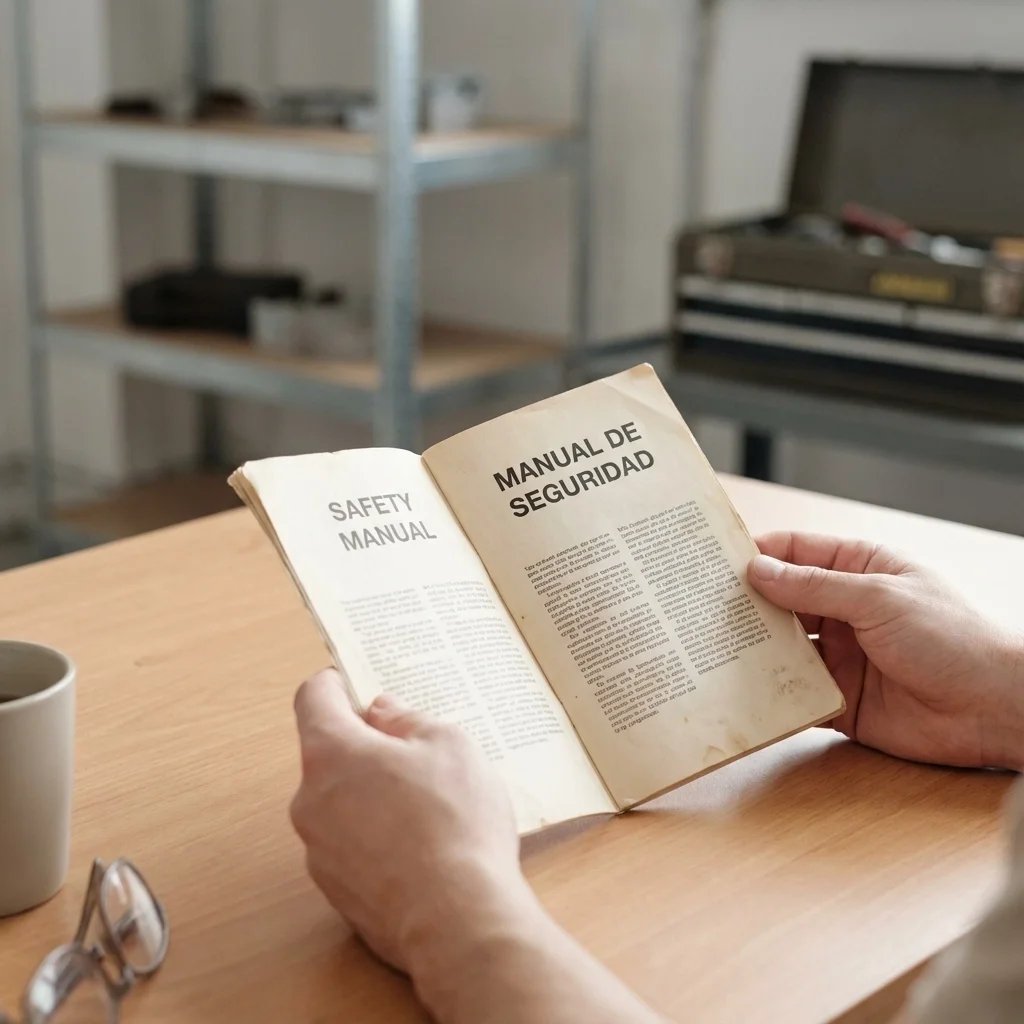
As outlined in our guide on language barriers costing your business, these Band-Aid solutions often create more problems than they solve, leaving companies exposed to liability while workers remain at risk.
The Kentucky Manufacturing Reality
Take the example of a mid-sized automotive parts manufacturer in Owensboro. After experiencing their second OSHA citation in 18 months: both related to inadequate safety training for Spanish-speaking employees: management knew they needed a different approach. The citations totaled $47,000 in fines, but the real cost was in workers' compensation claims and lost productivity due to injuries.
The plant employed 23 Spanish-speaking workers across three shifts, representing nearly 30% of their workforce. These employees worked in high-risk areas including welding, heavy machinery operation, and chemical handling. Despite their technical skills and strong work ethic, they were significantly more likely to experience workplace injuries.
The turning point came when a trusted supervisor who spoke basic Spanish realized during a toolbox talk that workers were nodding politely but clearly didn't understand the new confined space procedures being explained. "I saw the confusion in their eyes," he later reported. "They wanted to understand, but we were speaking different languages about life-and-death situations."
This scenario plays out daily across Kentucky's manufacturing landscape. In Henderson, Bowling Green, Louisville, and smaller industrial communities, dedicated workers are trying to stay safe with inadequate language support.
Building a Comprehensive Safety Language Strategy
Effective workplace safety communication requires a systematic approach that goes far beyond basic translation. Here's how Kentucky manufacturers can build language-inclusive safety programs that actually protect workers:
Professional Safety Interpretation Services
The foundation of any effective multilingual safety program is professional interpreting services specifically trained in manufacturing safety terminology. Unlike general interpreters, safety-specialized interpreters understand OSHA requirements, technical procedures, and the critical importance of precise communication in high-risk environments.
Professional interpreters ensure that safety briefings, equipment training, and emergency procedures are communicated with the same clarity and urgency in Spanish as they would be in English. They can handle complex scenarios like lockout/tagout training, crane operation certification, and hazmat handling procedures with the technical accuracy these topics demand.
Comprehensive Documentation Translation
Every safety document: from equipment manuals to emergency evacuation procedures: needs professional translation that maintains technical accuracy while being clearly understandable to workers at various literacy levels. This isn't just about converting English words to Spanish; it's about adapting content to be culturally and educationally appropriate for your specific workforce.
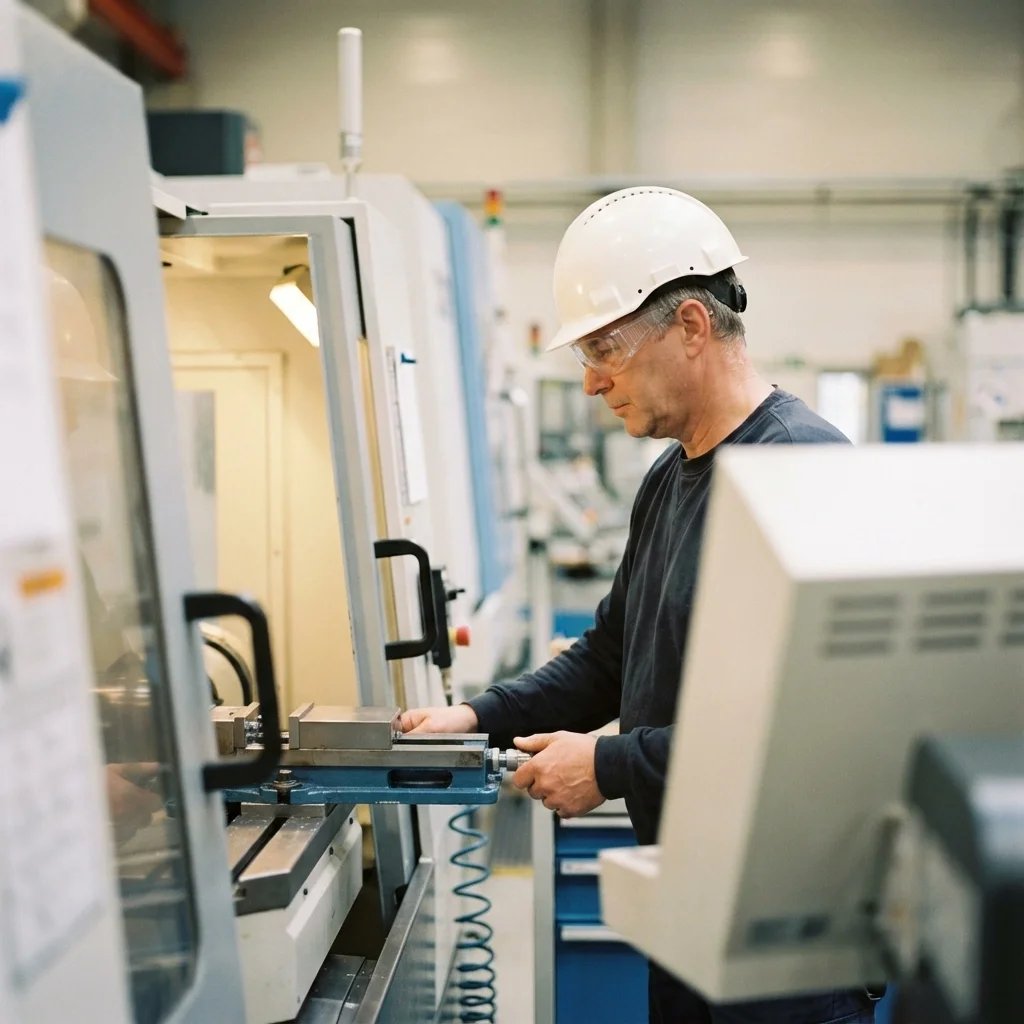
Key documents requiring professional translation include:
Safety data sheets (SDS) for all chemicals
Equipment operation manuals
Emergency response procedures
Personal protective equipment (PPE) requirements
Incident reporting forms
Training materials and certification requirements
Our certified translation quality checks ensure that these critical documents maintain their legal and safety integrity across languages.
Multilingual Safety Training Programs
Traditional safety training assumes all participants have strong English comprehension, but effective multilingual programs are designed from the ground up to serve diverse learners. This includes:
Culturally Responsive Training Methods: Different cultures have varying approaches to authority, questioning, and learning. Effective multilingual safety programs account for these differences to ensure all workers feel comfortable participating and asking questions.
Visual and Hands-On Learning: Safety concepts that might be easily explained in English often require demonstration and visual aids when working across language barriers. Professional programs incorporate multiple learning modalities to ensure comprehension regardless of language background.
Interactive Assessment: It's not enough to ask "Do you understand?" and accept a nod. Effective multilingual safety training includes practical demonstrations, scenario-based testing, and interactive elements that verify true comprehension.
Ongoing Communication Support
Safety communication doesn't end after initial training. Manufacturing environments are dynamic, with new equipment, updated procedures, and evolving hazards. Successful companies establish ongoing language support including:
Regular Safety Meetings: Weekly or monthly safety meetings conducted with professional interpretation ensure that safety remains a priority and that new information reaches all workers effectively.
Incident Investigation Support: When accidents occur, thorough investigation requires clear communication with all involved parties. Professional interpreters help ensure that incident reports are accurate and complete, supporting both worker protection and regulatory compliance.
Anonymous Reporting Systems: Workers need to feel safe reporting hazards or near-misses. Multilingual reporting systems, supported by interpretation services, encourage participation from all workers regardless of language background.
Measuring Success and ROI
Kentucky manufacturers who implement comprehensive language support programs typically see measurable improvements within the first year:
Reduced injury rates: Plants often experience 30-50% decreases in injuries among non-English speaking workers
Lower workers' compensation costs: Fewer injuries directly translate to reduced insurance premiums and claims
Improved productivity: Workers who understand safety procedures work more confidently and efficiently
Better regulatory compliance: Clear communication helps avoid costly OSHA citations and regulatory issues
Enhanced employee retention: Workers who feel safe and understood are more likely to stay with the company

The Owensboro automotive parts manufacturer mentioned earlier saw their injury rate drop by 40% within eight months of implementing professional language support. More importantly, they haven't had a single OSHA citation related to inadequate safety training since making the change.
Choosing the Right Language Services Partner
Not all interpretation and translation services are equipped to handle manufacturing safety requirements. When evaluating potential partners, Kentucky manufacturers should look for:
Industry Experience: Providers who understand manufacturing environments, OSHA requirements, and technical terminology specific to your industry.
Local Presence: Companies with Kentucky operations who understand regional workforce dynamics and can provide responsive support when needed.
Certified Professionals: Interpreters and translators with relevant certifications and demonstrated experience in safety-critical communications.
Comprehensive Services: Partners who can handle everything from document translation to on-site interpretation to emergency communication support.
As discussed in our guide on how to budget for language access, the investment in professional language services pays dividends through reduced accidents, lower insurance costs, and improved regulatory compliance.
Taking Action: Your Next Steps
If language barriers are putting your Kentucky manufacturing workforce at risk, the time to act is now. Start with a comprehensive assessment of your current safety communication practices:
How many of your workers primarily speak languages other than English?
When was the last time you verified that non-English speakers truly understood safety procedures?
Are your safety documents professionally translated and regularly updated?
Do you have reliable access to qualified safety interpreters for training and incidents?
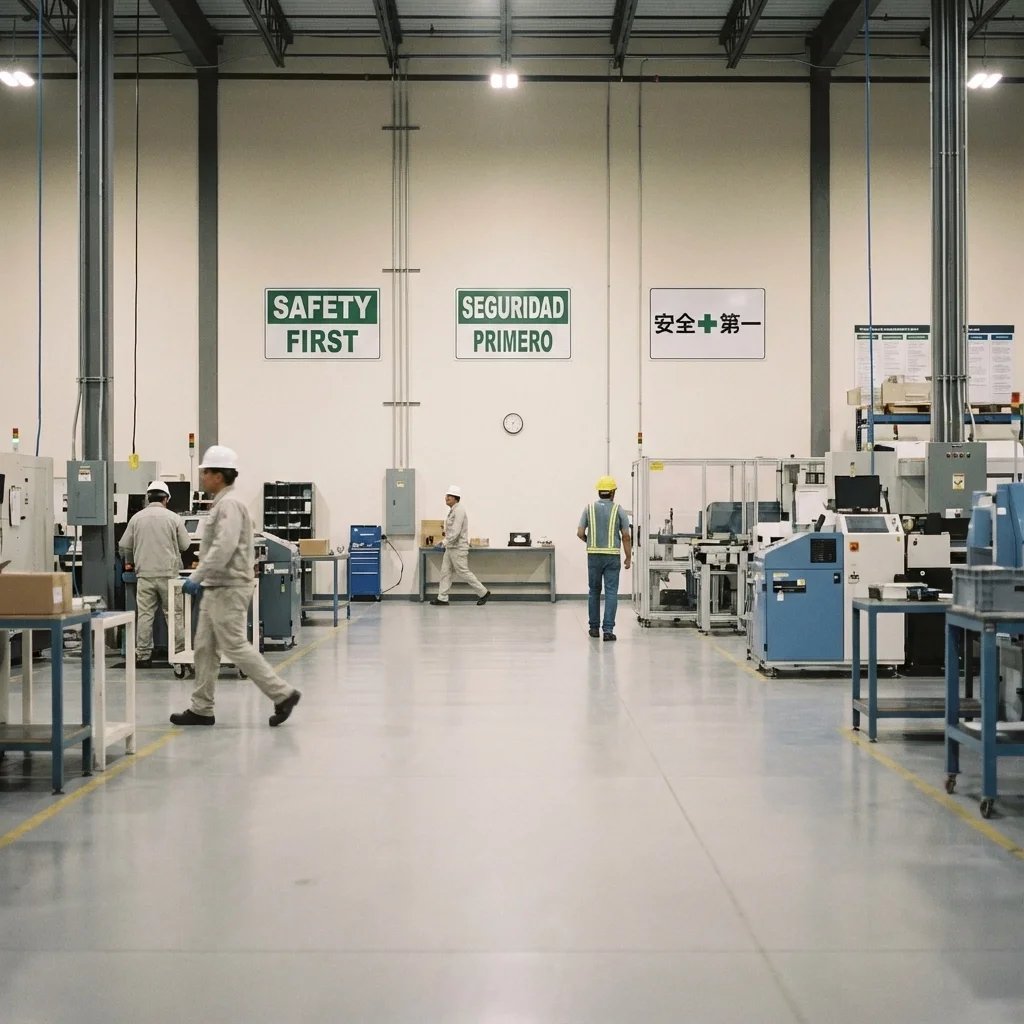
The path forward doesn't have to be overwhelming. Start with the highest-risk areas of your operation and gradually expand language support across all safety-critical communications. The investment in professional language services is modest compared to the cost of preventable accidents, regulatory violations, and the immeasurable value of protecting your workers' lives and well-being.
Kentucky's manufacturing sector continues to grow and diversify, making multilingual safety programs not just a nice-to-have, but a business necessity. Companies that proactively address language barriers position themselves as employers of choice while creating safer, more productive work environments for all employees.
Ready to eliminate language barriers that put your workers at risk? Contact Heartland Language Services today for a complimentary safety communication assessment. Our Kentucky-based team understands the unique challenges facing manufacturers in our region and can design a comprehensive language support program tailored to your specific needs and budget.
For additional resources on building inclusive workplace safety programs, visit our manufacturing interpretation services page or explore our complete guide to workplace translation solutions.
Don't let language barriers compromise your commitment to worker safety. The lives and well-being of your employees depend on clear, accurate safety communication; and that starts with professional language services designed specifically for Kentucky's manufacturing industry.

About the author
Jacob Brown
Jacob Brown shares practical guidance from Heartland Language Services on clear, reliable communication for multilingual workplaces.
Keep reading
Related articles
January 23, 2026
Safety Without Borders: Why Manufacturing Plants in Henderson, KY Need Professional Workplace Translation
Read article →March 23, 2026
Bridging the Safety Gap: How Workplace Translation Drives Productivity in Midwest Manufacturing
Read article →October 13, 2026
Fall Protection Training Interpreters Indiana Manufacturing: Closing the Height-Safety Language Gap
Fall protection training only works if every worker understands anchor points, harness inspection, and rescue plans in their own language. See how Tri-State manufacturers close that gap before someone gets hurt.
Read article →