
Insights
Haitian Creole & Marshallese: How Specialized Interpreting is Transforming Patient Outcomes in Evansville
Published February 5, 2026 · By Jacob Brown
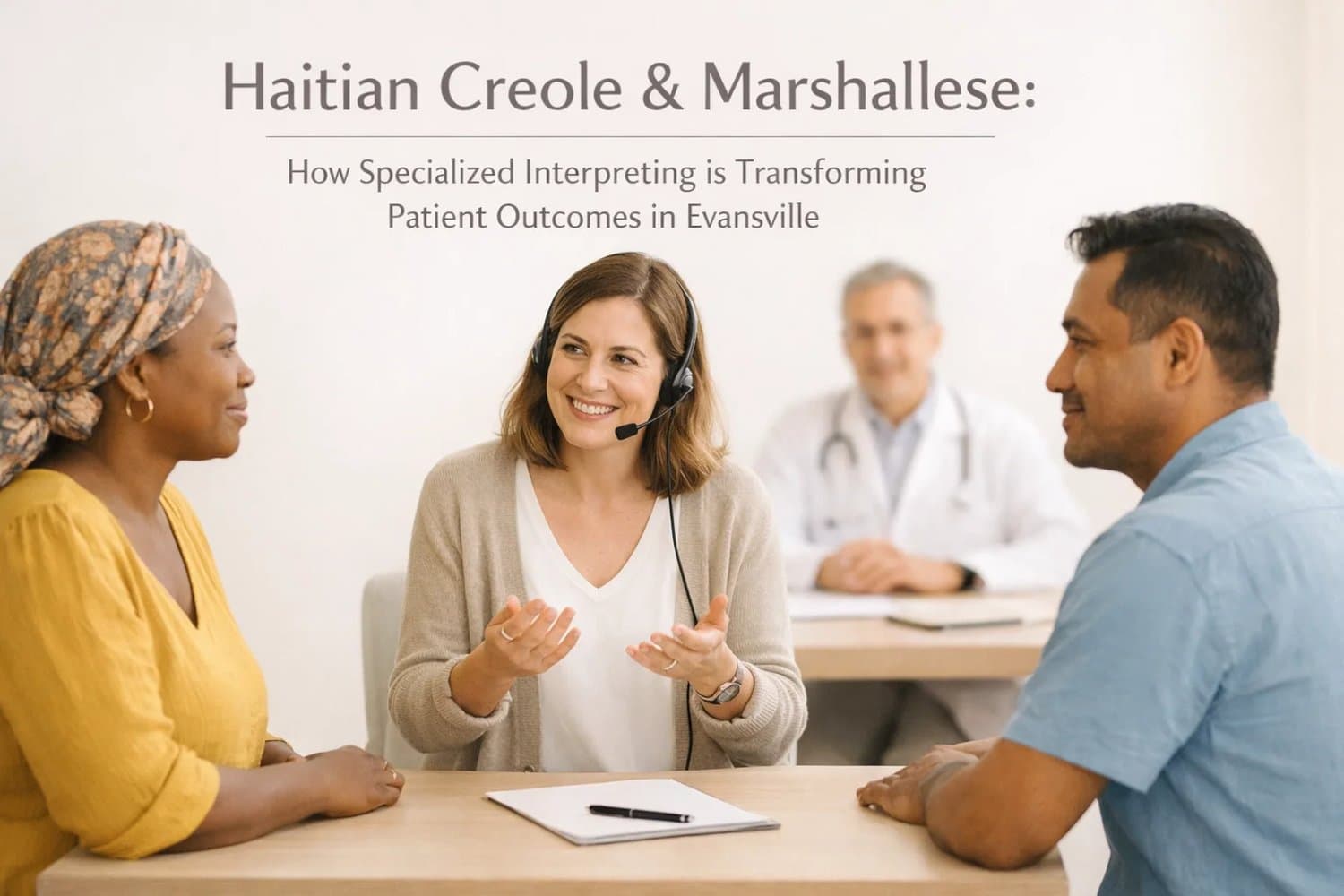
Walk into any emergency room in Evansville on a busy weeknight, and you'll witness something remarkable. Alongside the familiar Midwest accents, you'll hear conversations flowing in Haitian Creole, Marshallese, Spanish, and a dozen other languages. This isn't just background noise: it's the sound of Southwest Indiana's transformation into one of the region's most linguistically diverse communities.
But here's the thing about diversity in healthcare: it's only beautiful when everyone can actually communicate. When a Marshallese mother can't explain her child's symptoms, or when a Haitian grandfather misunderstands his discharge instructions, linguistic diversity stops being a strength and becomes a life-or-death liability.
That's exactly why specialized medical interpreting has become such a game-changer for Evansville's healthcare providers. And we're not talking about Google Translate or pulling a bilingual housekeeper away from their duties. We're talking about professional, HIPAA-compliant linguists who understand both the language and the high stakes of healthcare communication.
The Languages That Matter Most in Evansville
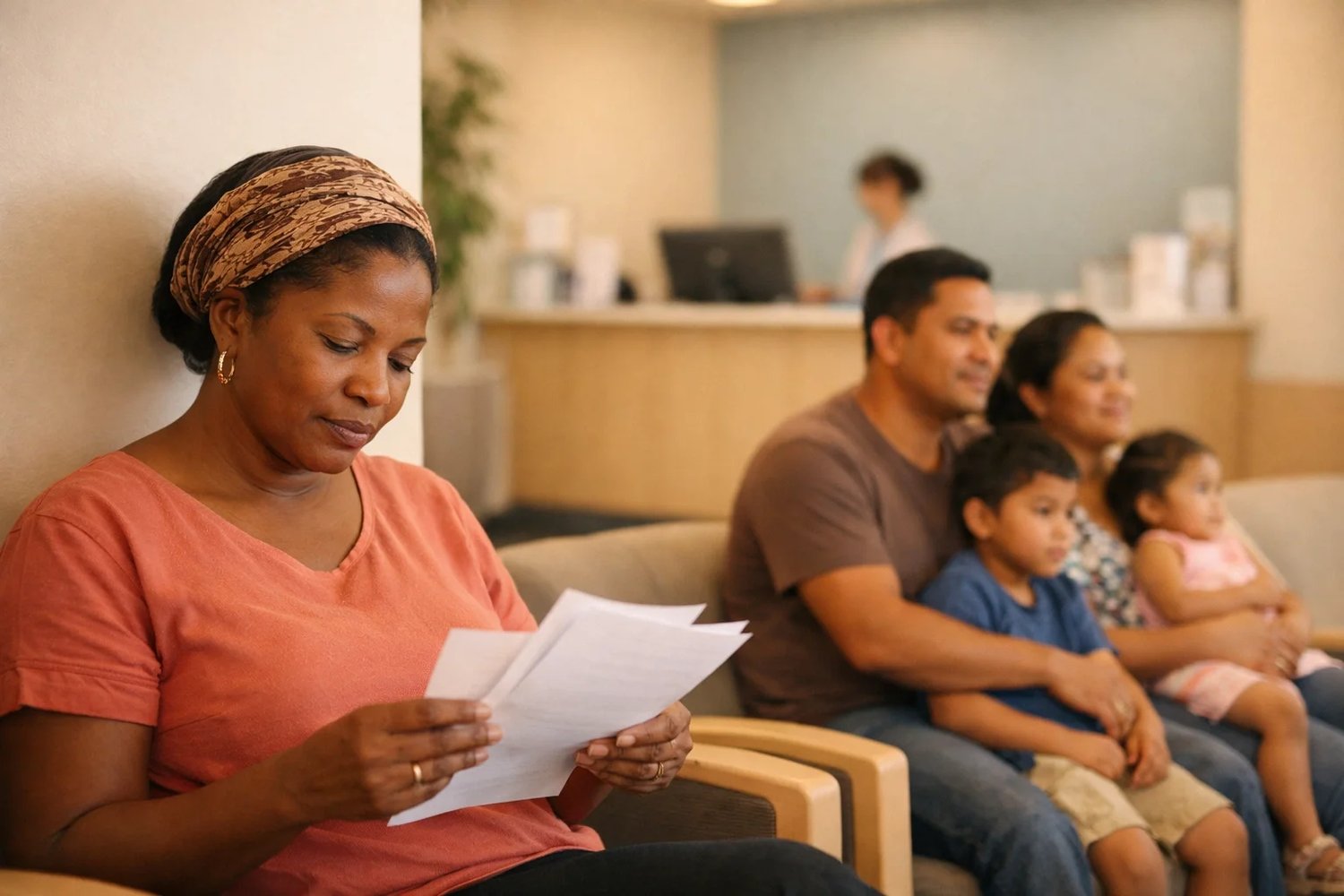
If you've lived in Evansville for more than a few years, you've probably noticed the demographic shifts. The city's Haitian Creole-speaking population has grown steadily, driven by migration patterns from Florida and the Northeast. Meanwhile, Marshallese families have been drawn to the area for employment opportunities, creating one of the largest Pacific Islander communities in the Midwest.
These aren't just interesting census statistics. Spanish, Haitian Creole, and Marshallese have become the three most requested languages for medical interpreting in Southwest Indiana. And each of these languages presents unique challenges that make professional interpretation absolutely essential.
Let's start with Haitian Creole, because this is where a lot of well-meaning healthcare providers get tripped up. Too many people assume that if someone on staff speaks French, they can bridge the gap. That's like assuming someone who speaks Spanish can interpret for a Portuguese speaker: sure, there's some overlap, but you're basically playing linguistic roulette with patient safety.
Haitian Creole is its own distinct language with its own grammar, vocabulary, and cultural context. It's not broken French or simplified French or anything of the sort. It's a complete language that developed over centuries, blending African linguistic structures with French vocabulary and indigenous Taíno influences. When a healthcare provider relies on French to communicate with a Creole speaker, critical nuances get lost. Medications get confused. Symptoms get misunderstood. Follow-up instructions become garbled.
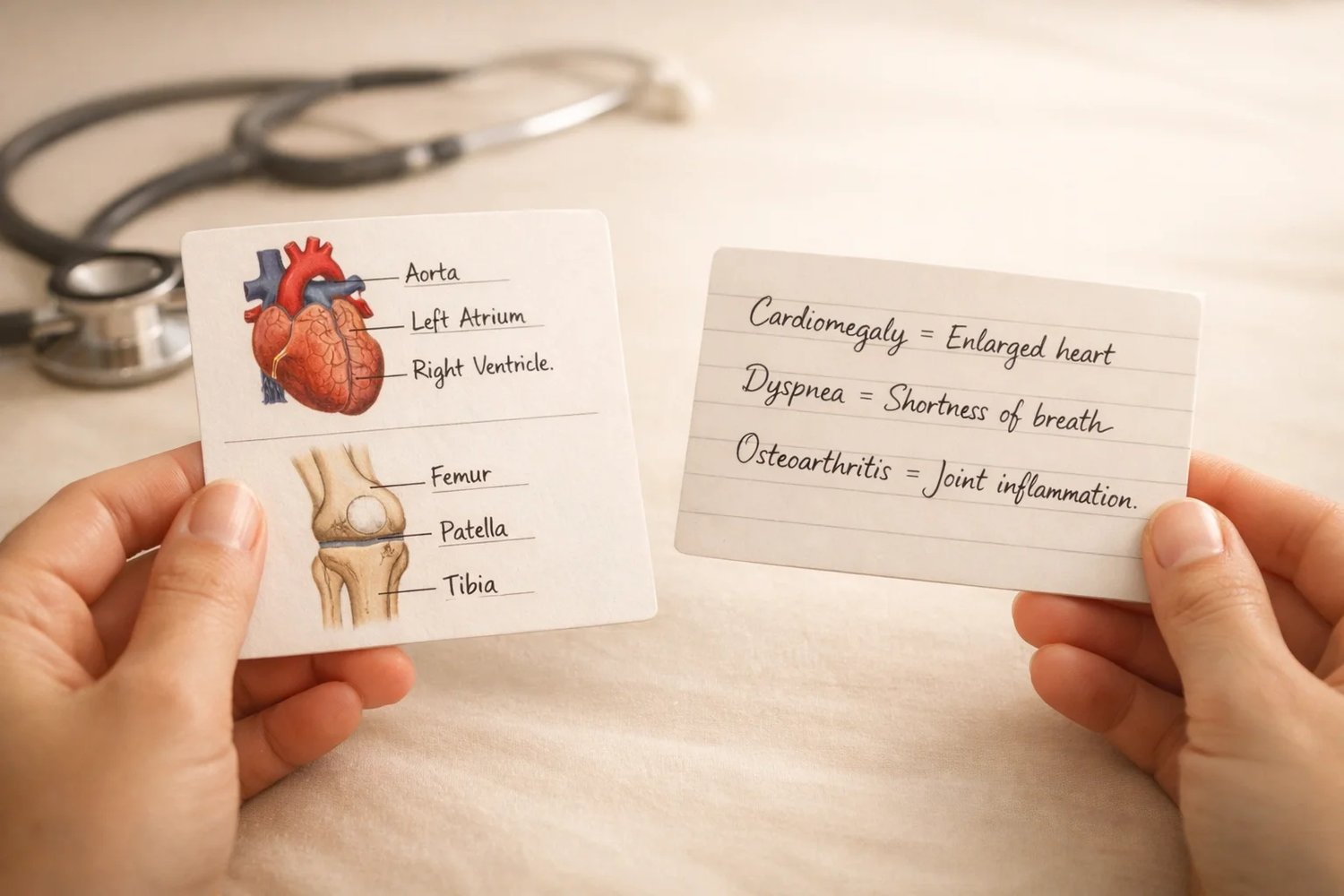
Marshallese presents a completely different set of challenges. This Pacific language has sounds and grammatical structures that don't exist in English. The culture around discussing illness, pain, and bodily functions differs dramatically from Western medical culture. Without a certified linguist who understands these cultural contexts, you're not just losing words in translation: you're losing meaning, context, and trust.
When Makeshift Solutions Fall Short
We've all seen the workarounds. The janitor who speaks some Spanish gets pulled into an exam room to help out. A patient's twelve-year-old translates their grandmother's cancer diagnosis. Someone hands a patient a phone with a translation app open and hopes for the best.
These aren't solutions. They're Band-Aids on bullet wounds.
Think about what happens when you use a family member as an interpreter, especially a child. That kid now carries the emotional weight of their parent's medical information. They might filter bad news to protect their family member. They definitely don't have the vocabulary to accurately convey complex medical terminology. And the power dynamics get completely scrambled: suddenly a child is making decisions about their parent's care because they're the only one who can bridge the communication gap.
Or consider the bilingual employee who gets pulled away from their actual job to interpret. They haven't been trained in medical terminology. They don't understand HIPAA compliance requirements. They're probably stressed about falling behind in their own work. And honestly? It's not fair to them or to the patient.
Translation apps and phone services have their place, but they can't pick up on the subtle cues that in-person interpreters catch. They can't read body language. They can't ask clarifying questions. They can't adjust their approach when they sense a patient is confused or uncomfortable.
The Professional Difference
Here's what changes when you bring in a specialized medical interpreter who's trained in Haitian Creole or Marshallese. First, they actually understand the language at a native or near-native level. That sounds obvious, but it's the foundation everything else builds on.
Second, they've been trained in medical terminology in both English and their target language. They know the difference between "hypertension" and "hypotension." They can accurately convey dosage instructions. They understand the stakes of medication reconciliation.
Third, and this is huge, they're trained in the cultural contexts that shape how different communities understand health and illness. Some Marshallese patients, for example, may be reluctant to make direct eye contact with authority figures: that's a sign of respect, not dishonesty or discomfort. A professional interpreter knows this and can help the healthcare provider understand what's really being communicated.
Professional interpreters also maintain strict confidentiality standards. They're bound by HIPAA regulations just like every other member of the healthcare team. They understand that everything they hear stays confidential. They're not going to bump into the patient at church and chat about their diagnosis.

Real Impact on Patient Outcomes
So what actually changes when Evansville healthcare facilities invest in specialized interpreting services? Everything.
Medication adherence shoots up when patients actually understand what they're supposed to take and why. Hospital readmission rates drop when discharge instructions are clearly communicated. Diagnostic accuracy improves when doctors can get a complete and accurate patient history. Patients show up for follow-up appointments because they understand why those appointments matter.
Local healthcare organizations like Ascension St. Vincent have recognized this reality and made professional language services a priority. They've seen firsthand how proper interpretation reduces medical errors, improves patient satisfaction scores, and ultimately delivers better health outcomes for the community's most vulnerable populations.
There's also a legal dimension here that healthcare providers can't ignore. Facilities that receive federal funding are legally required to provide language access services under Title VI of the Civil Rights Act. Using untrained interpreters doesn't just compromise patient care: it exposes healthcare organizations to serious liability.
Beyond the legal requirements, there's an ethical imperative. Healthcare providers take an oath to do no harm. Language barriers harm patients. It's that simple. When a Haitian Creole-speaking patient can't explain their symptoms clearly, harm happens. When a Marshallese family doesn't understand a cancer treatment protocol, harm happens. When makeshift interpretation solutions lead to medication errors, harm happens.
Building a Culture of Language Access
The good news is that Evansville's healthcare community is increasingly embracing professional language services as a core component of quality care. Organizations founded specifically to serve Southwest Indiana's diverse populations have emerged, bringing specialized expertise in the languages that matter most to this region.
These services aren't just about having interpreters on call. They're about building systems where language access is integrated into every patient touchpoint: from the first phone call to schedule an appointment through post-discharge follow-up. They're about training healthcare staff to work effectively with interpreters. They're about creating environments where patients feel comfortable requesting interpretation services without shame or hesitation.
The Haitian Center of Evansville and specialized language service providers have become crucial partners in this work, offering not just interpretation but also cultural competency training for healthcare staff and community outreach to help patients understand their rights to language access.

The Path Forward
If you're a healthcare administrator, provider, or decision-maker in the Evansville area, the question isn't whether you need professional interpreting services. The question is how quickly you can integrate them into your operations.
The certified linguists who specialize in Haitian Creole and Marshallese aren't just nice to have: they're essential infrastructure for delivering equitable healthcare. They're the bridge that connects your clinical expertise with the diverse communities you serve.
And here's the thing about bridges: you can't build them halfway. You can't halfway commit to language access and expect full results. Professional, HIPAA-compliant interpretation needs to be the standard, not the exception.
The transformation happening in Evansville's healthcare landscape is proof that when we invest in removing language barriers, everyone benefits. Patients get better care. Providers can do their jobs more effectively. Outcomes improve across the board.
That's not just good practice. That's what healthcare is supposed to look like in 2026.
If your organization is ready to take language access seriously and you want to explore how specialized interpreting services can improve your patient outcomes, reach out to us. Because every patient deserves to be heard, understood, and cared for in the language that matters most to them.

About the author
Jacob Brown
Jacob Brown shares practical guidance from Heartland Language Services on clear, reliable communication for multilingual workplaces.
Keep reading
Related articles
May 26, 2026
How Can HR Leaders Create Better Outcomes in 3 Hours?
What you get from the Haitian Creole for HR Professionals workshop — and what it costs you to keep doing what you're doing.
Read article →March 5, 2026
Looking for Interpretation Near Me? 10 Things You Should Know About Finding Vetted Linguists for Haitian Creole and Marshallese Communities
Read article →January 20, 2026