
Insights
Can AI Translation Really Handle OSHA Safety Communications? Here's What SE Illinois Manufacturers Need to Know
Published February 24, 2026 · By Jacob Brown
The foreman at a metal fabrication plant in Marion recently told me something that stuck with me. He'd just finished investigating a near-miss incident where a Spanish-speaking employee had misunderstood a lockout-tagout procedure. The safety documentation was technically available in Spanish, but it had been run through a free online translator, and the nuance got lost somewhere between English and español. The phrase "de-energize equipment" had been translated literally in a way that confused rather than clarified.
It's a story I hear variations of across Southeast Illinois manufacturing facilities. The region's workforce has become increasingly multilingual, which is fantastic for business but creates real challenges when it comes to OSHA compliance. And now, with AI translation tools promising instant multilingual communication at the click of a button, plant managers are asking a fair question: can we finally solve our workplace translation headaches with technology?
The answer isn't as simple as yes or no, and for manufacturers in places like Mount Vernon, Centralia, and Effingham, understanding the distinction could be the difference between genuine compliance and a false sense of security.
When AI Translation Actually Works
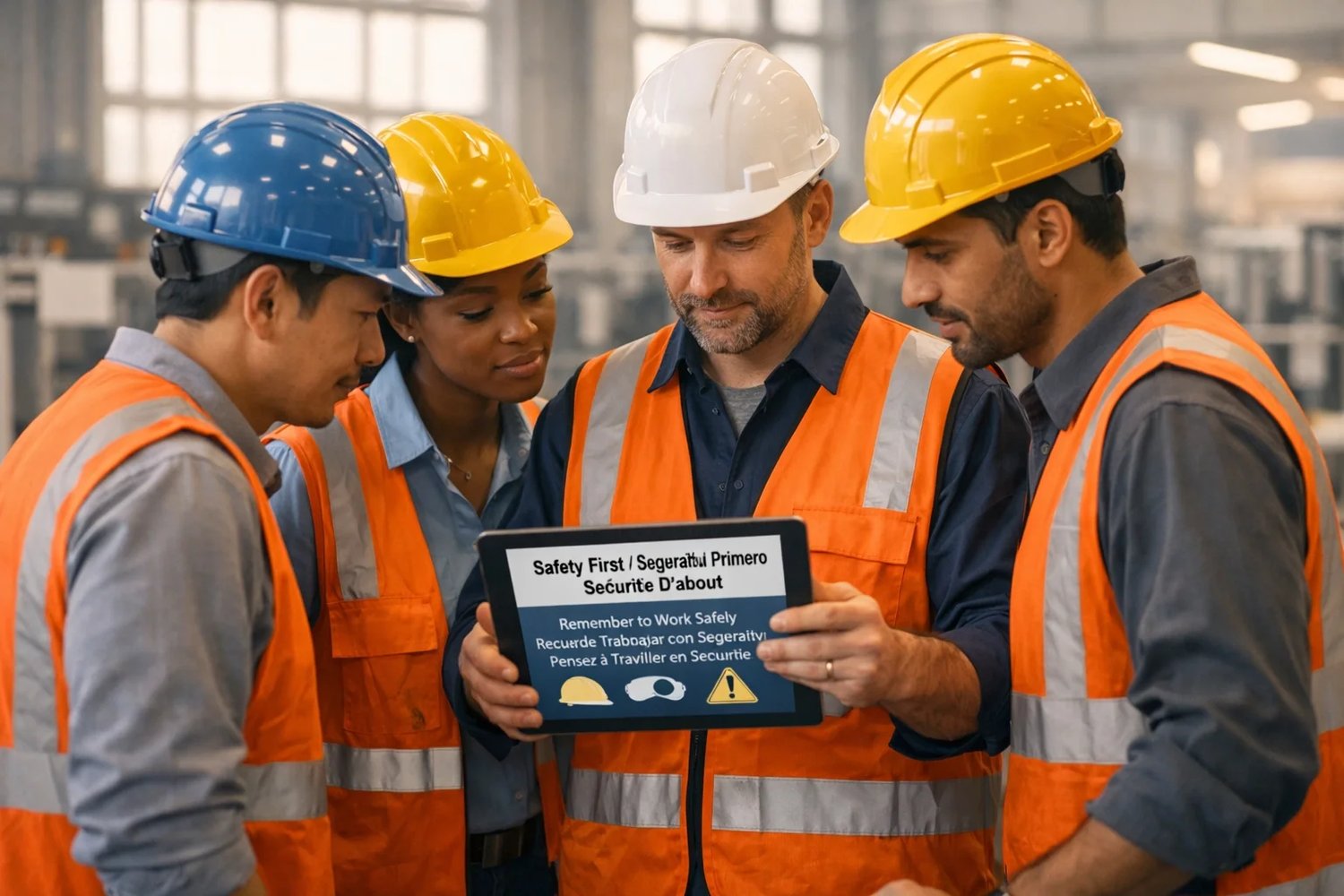
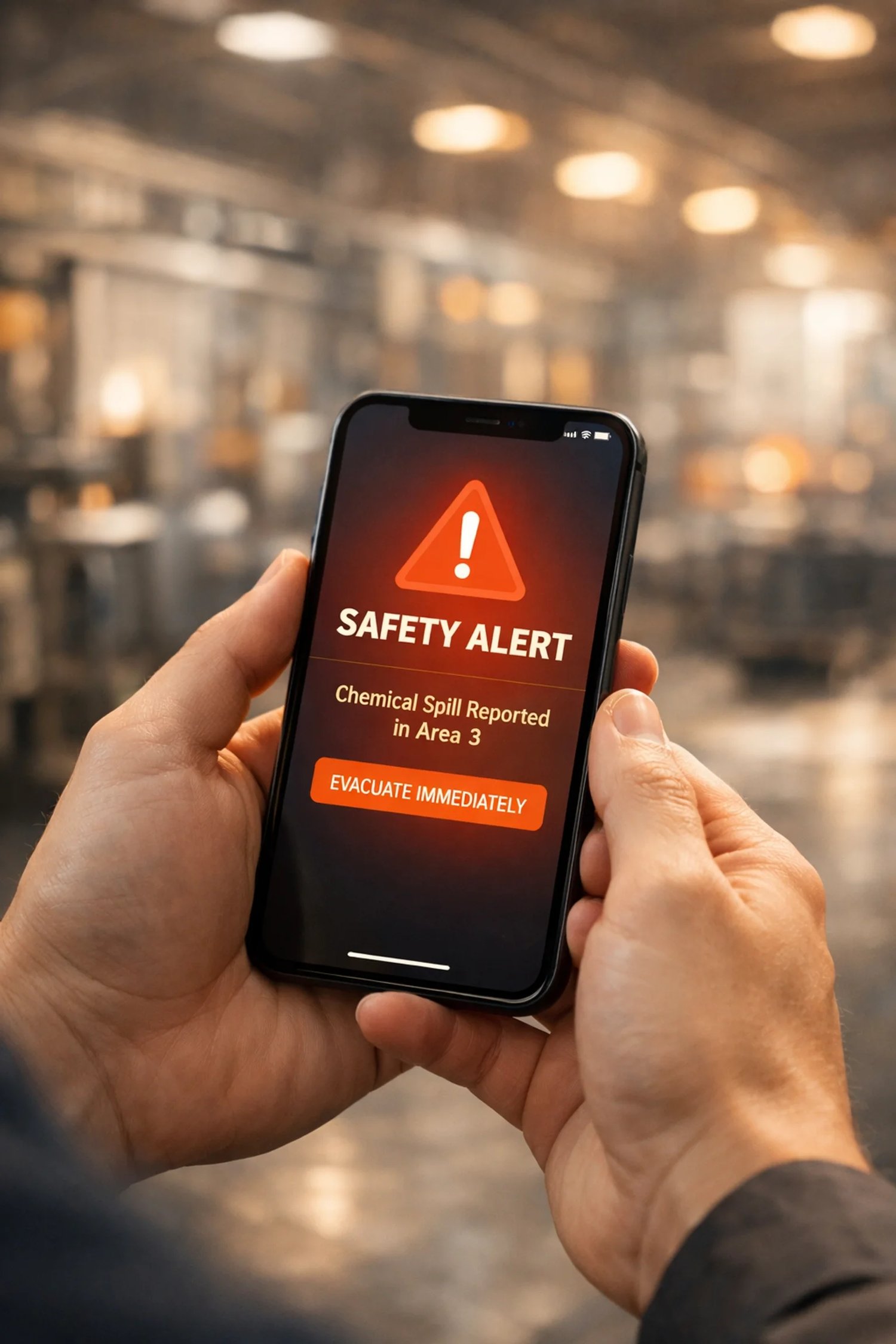
Let's start with what artificial intelligence does remarkably well. Modern neural machine translation has come a long way from the awkward phrase-by-phrase conversions we used to see. When you're dealing with straightforward safety alerts like "Chemical spill in Building C" or "Forklift traffic ahead," AI translation platforms can convert those messages into over a hundred languages within seconds. For manufacturers running multi-shift operations with workers who speak everything from Mandarin to Haitian Creole, that speed matters.
The data backs this up. Research shows that AI translation achieves around ninety-five percent accuracy for common industrial terminology, which sounds pretty good on paper. More importantly, SMS-based translation systems can reach ninety-eight percent of your workforce within ten minutes during an emergency. That's genuinely impressive when you consider that language barriers contribute to roughly a quarter of all construction accidents, according to OSHA's own reporting.
I recently spoke with a safety director at a food processing plant near Carbondale who implemented an AI-powered notification system. During a chemical exposure incident last fall, he was able to send evacuation instructions in six languages simultaneously. What used to take eight minutes with manual phone calls took less than two minutes. In an emergency, those six minutes could save lives.
The technology also excels at creating documentation trails, which matters enormously in our current regulatory environment. When OSHA shows up for an audit and asks whether your Spanish-speaking employees received proper training on new equipment, having timestamped confirmation that safety materials were delivered in their native language carries weight. AI systems can automatically generate that paper trail without adding administrative burden to your already stretched safety team.
Where AI Falls Short and Why It Matters
Here's where things get complicated, though. The same AI translation that handles "Emergency exit" beautifully can stumble badly when dealing with the kind of regulatory language that fills OSHA documentation. The problem isn't just about word-for-word accuracy. It's about understanding context, intent, and the specific way that regulatory agencies interpret their own rules.
A manufacturer in Belleville learned this the hard way last year. They'd been using AI to translate their lockout-tagout procedures, and the translations looked fine to anyone doing a surface-level review. But when a compliance consultant did a deeper dive, they found that the translated versions didn't actually convey OSHA's intent around sequential shutdown procedures. The AI had technically translated the words correctly, but missed the regulatory framework that gave those words meaning.
This gets at something crucial that professional language services providers understand, but AI systems don't: OSHA compliance isn't just about communicating information. It's about communicating it in a way that demonstrates you understand and are following specific regulatory requirements. AI can't substitute for human expertise in understanding how OSHA would actually interpret those requirements, and that gap represents real legal exposure.
There are other concerns, too. Data privacy becomes an issue when you're running safety documents through cloud-based translation platforms. Some AI systems introduce algorithmic biases that might inadvertently create accessibility issues for certain language groups. And there's an often-overlooked human factor: workers sometimes view AI-powered monitoring and communication systems as surveillance rather than safety tools, which can undermine the trust that effective safety programs depend on.
The Hybrid Approach That Actually Works
So where does that leave Southeast Illinois manufacturers who genuinely need better multilingual safety communication? The answer, increasingly, is a hybrid model that combines AI's strengths with human expertise where it matters most.
Think of it this way. AI translation works great for immediate, routine communications. Daily safety reminders, standard operating procedures for well-established equipment, basic hazard alerts: these are perfect candidates for automated translation. The content is straightforward, the terminology is consistent, and speed matters more than nuanced interpretation.
But for anything involving regulatory compliance, new procedures, or complex technical information, you need professional language services. This means having qualified translators who understand both the language and the manufacturing context review your OSHA-mandated documentation. It means working with interpreters who can handle the back-and-forth of safety training sessions where workers need to ask questions and demonstrate understanding.
A plastics manufacturer in Salem took this approach after struggling with compliance issues. They use AI translation for their daily safety briefings and incident notifications, but they work with professional translation services for translating their safety manuals, training materials, and OSHA-required postings. For quarterly safety training, they bring in certified interpreters who can handle technical vocabulary and answer questions in real time.
The result has been better compliance, fewer miscommunications, and, honestly, lower costs overall. They're not paying for human translation of routine messages that don't need it, but they're also not creating legal exposure by relying on AI for things it can't handle properly.
What Southeast Illinois Manufacturers Should Do Now
If you're running a manufacturing facility in SE Illinois and trying to figure out how to handle multilingual safety communication, start by auditing what you're currently doing. Look at every piece of safety documentation, every training program, every posted notice. Ask yourself which items are genuinely mission-critical for OSHA compliance and which are routine operational communications.
For the compliance-critical materials, especially anything involving Title VI and OSHA standards, invest in professional workplace translation. This isn't the place to cut corners or rely solely on technology. The potential liability from miscommunicated safety procedures far outweighs the cost of proper translation services.
For routine daily communications, AI translation can be incredibly valuable. Just make sure you're testing it first with native speakers on your team. Run sample translations past employees who speak the target languages and ask whether the meaning comes through clearly. What looks fine in Google Translate might read awkwardly or confusingly to someone actually fluent in that language.
Consider implementing a pilot program before rolling out any AI translation system across your entire operation. Pick one facility or one department and test the approach for a few months. Track metrics like incident rates, employee feedback, and compliance audit results. This lets you work out the kinks without putting your entire operation at risk.
And perhaps most importantly, maintain transparency with your workforce about how you're using AI in safety communications. Workers need to understand that translation tools are meant to enhance their safety, not monitor their activities. That distinction matters for building the kind of trust that makes safety programs actually work.
The question of whether AI can handle OSHA safety communications isn't really a yes-or-no proposition. It's more about understanding what AI does well, recognizing its limitations, and building systems that use technology intelligently while keeping human expertise where it matters most. For Southeast Illinois manufacturers navigating an increasingly multilingual workforce and ever-stricter compliance requirements, that balanced approach isn't just smart: it's essential.
If you're looking to develop a comprehensive language access strategy that combines the efficiency of technology with the accuracy of professional language services, reach out for a consultation. Because when it comes to workplace safety, getting the words right isn't just about compliance: it's about getting everyone home safely at the end of the shift.

About the author
Jacob Brown
Jacob Brown shares practical guidance from Heartland Language Services on clear, reliable communication for multilingual workplaces.
Keep reading
Related articles
February 9, 2026
Workplace Translation Secrets: What "HIPAACompliant" Really Means (And Why Your SE Illinois Clinic Needs to Know)
Read article →June 26, 2026
Safety Data Sheet Translation for Indiana Manufacturers: OSHA HazCom Compliance and the Multilingual Workforce
Indiana manufacturers with multilingual workforces must provide OSHA HazCom-compliant Safety Data Sheets in every language their employees speak. Learn how certified SDS translation keeps your facility compliant with 29 CFR 1910.1200, GHS standards, and OSHA penalty thresholds — and how Heartland serves the Tri-State region.
Read article →June 22, 2026
Behavioral Health Interpretation in Indiana: Why Certified Interpreters Are Essential for Mental Health Care
Language barriers in behavioral health settings can delay diagnosis, erode trust, and put patients at risk. Here's what Indiana mental health providers need to know about certified interpreter access.
Read article →