Safety Without Borders: Why Manufacturing Plants in Henderson, KY Need Professional Workplace Translation
Henderson, Kentucky sits at the heart of a thriving manufacturing region. From automotive parts tofood processing, the plants in this corner of Northwest Kentucky keep supply chains moving andcommunities employed. But there's a challenge many plant managers face that doesn't always makeit into quarterly reports: language barriers on the factory floor.
If your workforce includes Spanish, Burmese, or other non-English speakers: and statistically, it probably does: then you already know the daily friction this creates. Misunderstood instructions. Confusedlooks during safety briefings. Training materials that might as well be written in hieroglyphics for asignificant portion of your team.
Here's the uncomfortable truth: those communication gaps aren't just inconvenient. They're dangerous.
The Hidden Dangers of Language Barriers in Manufacturing
Picture this scenario. A new machine arrives at your Henderson plant. Your safety manager runsthrough the operating procedures and emergency shutoff protocols in English. Half the room nodsalong. The other half? They're doing their best to follow, but critical details are slipping through thecracks.
According to OSHA, communication barriers contribute to approximately 25% of workplace incidents in multilingual environments. That's one in four accidents that could potentially be prevented with clearer communication.
Manufacturing floors are inherently risky places. Heavy machinery, chemical handling, forklifts, conveyor systems: there's no shortage of ways things can go wrong. When workers don't fully understand:
Equipment operation procedures
Lockout/tagout protocols
Emergency evacuation routes
Hazardous material handling instructions
Personal protective equipment (PPE) requirements
...the risk of serious injury or even death skyrockets.
And it's not just about the big, obvious dangers. Think about the small miscommunications thatsnowball over time. A worker who doesn't understand a maintenance schedule might skip a criticalinspection. Someone who can't read a warning label might store materials improperly. These "minor"issues compound until you're facing equipment damage, production delays, or worse.
When Communication Fails: Real-World Consequences
If you think language barriers are just theoretical problems, consider this sobering example.
The 2005 BP Texas City refinery explosion killed 15 workers and injured over 170 others. Investigations revealed that poor communication of safety procedures across a multilingual workforcewas a contributing factor in the disaster. Critical safety information simply wasn't reaching everyonewho needed it.
Now, your Henderson plant probably isn't a refinery. But the principle holds true across every manufacturing environment. When safety information doesn't translate, literally: people get hurt.
Beyond the human cost, there's the financial reality to consider. Workplace accidents lead to:
Workers' compensation claims
OSHA investigations and potential fines
Production downtime
Equipment damage
Higher insurance premiums
Legal liability
A single serious incident can cost your facility hundreds of thousands of dollars. And if regulators determine that inadequate safety communication was a factor? Those fines multiply quickly.
Not sure if language barriers are already costing your business more than you realize? It's worth taking a hard look.
What OSHA Actually Requires (And Why It Matters)
Here's something many plant managers don't realize: OSHA legally requires that employee training be presented in a manner employees can understand.
That's not a suggestion. It's a mandate that applies to general industry, construction, agriculture, andmaritime sectors. If a significant portion of your workforce speaks Spanish, Burmese, or another language as their primary tongue, then English-only training materials likely don't meet compliancestandards.
The consequences of non-compliance extend beyond fines. If an accident occurs and investigatorsdiscover that safety protocols weren't properly translated, your facility could face:
Increased legal liability in lawsuits
Criminal charges in cases of gross negligence
Operational shutdowns until compliance is achieved
The good news? Meeting these requirements isn't as complicated as it sounds: when you have theright language services partner.
How Professional Workplace Translation Solves the Problem
So, what does effective workplace translation actually look like in a manufacturing environment?
It starts with comprehensive translation of your critical documents:
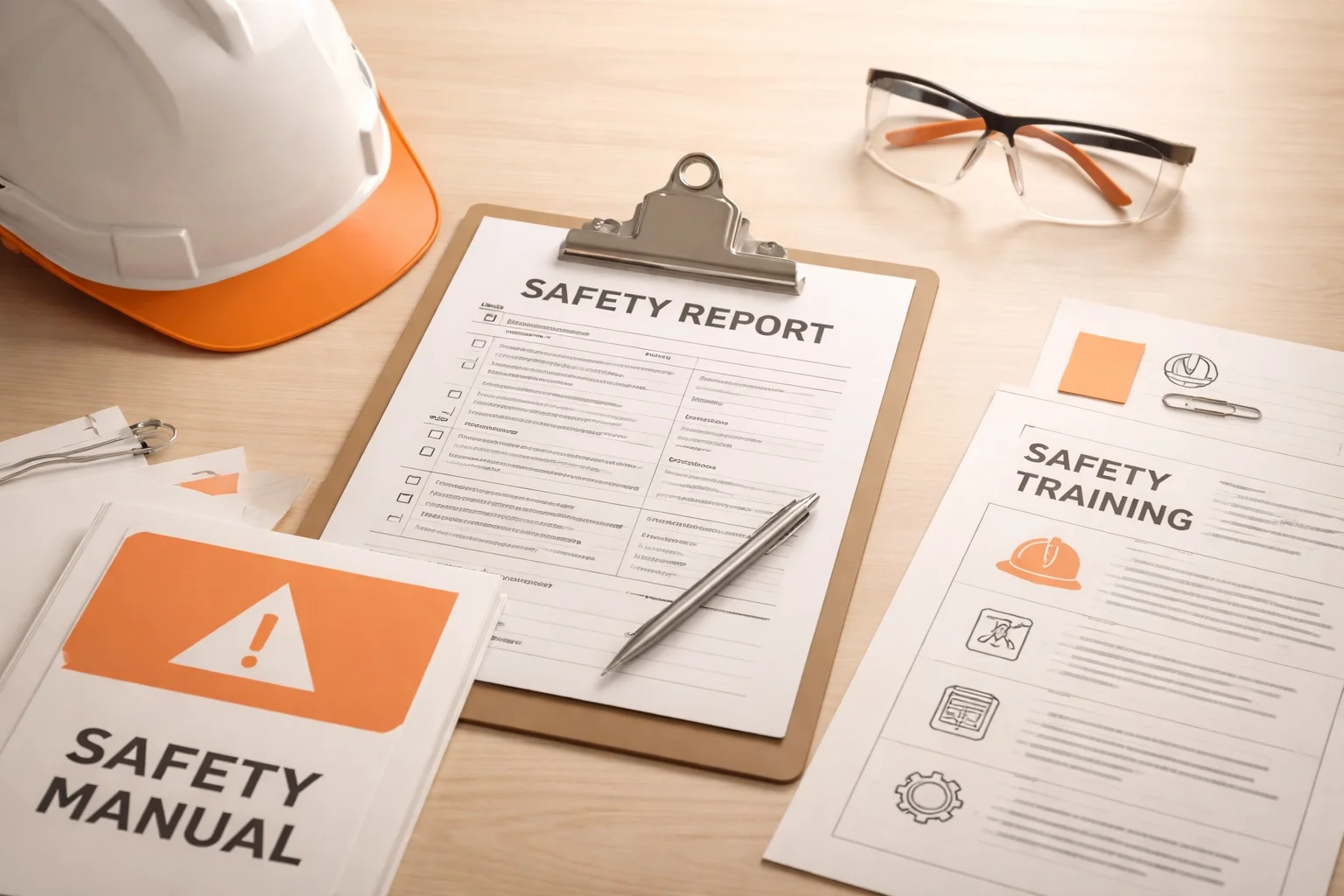
Safety Manuals and SOPs Every standard operating procedure, from machine operation to chemicalhandling, translated accurately into the languages your workers speak. No guesswork. No relying onbilingual employees to "explain it later."
Training Materials Onboarding documents, skills training modules, and certification materials thatevery employee can actually learn from: not just sit through.
Signage and Labels Warning signs, equipment labels, and emergency instructions that communicateclearly at a glance. When seconds matter, nobody should be squinting at unfamiliar words.
HR and Policy Documents Employee handbooks, benefits information, and workplace policies thathelp your team understand their rights and responsibilities.
Professional translation goes beyond simple word-for-word conversion. Certified linguists understandmanufacturing terminology, regional dialects, and cultural context. They know that "lockout" doesn'tmean the same thing in everyday conversation as it does on a factory floor.
This is why relying on machine translation tools or bilingual employees for safety-critical content isrisky. When accuracy is non-negotiable, you need certified linguists who understand the stakes.
Beyond Safety: The Business Case for Language Services
While safety is the most urgent reason to invest in professional translation, it's far from the only benefit.
Expanded Hiring Pool
Henderson's manufacturing sector is growing, and competition for reliable workers is fierce. Plantsthat can't effectively train and communicate with non-English speakers are limiting their talent poolsignificantly. Professional language services open doors to skilled workers you might otherwise passover.
Improved Productivity
When workers understand their tasks clearly the first time, you eliminate the inefficiencies caused byconfusion, repeated instructions, and correcting preventable errors. Production flows smoother. Quotas get met. Supervisors spend less time troubleshooting communication issues.

Better Employee Retention
Here's something that often gets overlooked: employees who feel valued and included stickaround longer.
When you invest in translating materials and providing interpretation services, you're sending a clearmessage to your multilingual workforce: "You matter here." That sense of belonging translates directly into lower turnover rates: a significant cost savings in an industry where training new hires is expensive and time-consuming.
Stronger Quality Control
Miscommunication doesn't just cause safety incidents. It causes quality issues too. When assembly instructions, quality standards, and inspection protocols are clearly understood by every worker, defectrates drop and customer satisfaction improves. Quality control starts with clear communication.
Why Henderson Plants Need a Local Language Partner
Manufacturing in Northwest Kentucky comes with its own unique characteristics. The workforce demographics, the industries represented, the specific regulatory environment: these all matter when itcomes to effective translation.
That's why partnering with a language services provider who understands the region makes a difference. A company familiar with Kentucky's manufacturing landscape can anticipate needs, respondquickly, and provide linguists who understand the local context.
At Heartland Language Services, we've worked with manufacturing facilities throughout the Tri-Statearea. We understand the pressure plant managers face to maintain safety, meet production goals,and stay compliant: all while managing increasingly diverse workforces.
Our approach includes:
Certified translation of safety and operational documents
On-site and remote interpretation for training sessions and meetings
Ongoing language support as your workforce evolves
Quick turnaround times that respect your production schedules
Taking the Next Step
Language barriers in your Henderson plant aren't going to solve themselves. But addressing themdoesn't have to be overwhelming either.
Start with an honest assessment of your current situation. Are your safety materials available in thelanguages your workers actually speak? Do your training sessions effectively reach everyone in theroom? Are there compliance gaps that could expose you to liability?
If you're ready to explore how professional workplace translation can make your facility safer, moreproductive, and more inclusive, we're here to help.
Contact Heartland Language Services today to discuss your manufacturing language needs. Becausewhen it comes to safety, everyone deserves to understand: and be understood.