
Insights
Section 1557 Language Access Requirements 2025: Are You Making These Common Mistakes?
Published February 20, 2026 · By Stephen Gardner
July 5, 2025, isn't just another date on the calendar for healthcare organizations. It's the compliance deadline that's keeping administrators up at night, and for good reason. Section 1557 of the Affordable Care Act is getting a serious refresh, and the language access requirements are more comprehensive than ever before. If you're wondering whether your facility is truly ready, you're not alone. But here's the thing: most healthcare providers are making the same preventable mistakes over and over again, and those mistakes are expensive.
Let's talk about what's actually changing and where organizations are getting tripped up. Because understanding the rules is one thing, but implementing them without falling into common traps? That's where the real work begins.
What Section 1557 Actually Requires
Section 1557 is the federal civil rights law that prohibits discrimination in health programs and activities receiving federal financial assistance. That includes most hospitals, clinics, insurance companies, and physician practices. The language access provisions are designed to ensure that patients with limited English proficiency, often called LEP patients, receive the same quality of care as English-speaking patients.
Starting this summer, covered entities must provide qualified language interpretation and translation services at no cost to patients. That means if someone walks into your emergency room speaking Spanish, Burmese, or Marshallese, you're required to connect them with professional language interpretation and translation services. Not their teenage daughter. Not a janitor who happens to speak the language. A qualified interpreter.

The regulations also mandate that you post notices about these services in the 15 most commonly spoken languages in your state, and not in tiny print that nobody can read. The minimum font size is 20 points, and these notices need to appear on your website, in waiting rooms, and in critical documents like benefit notifications and discharge summaries.
But compliance goes deeper than just putting up signs. You're also required to develop written language access procedures that document how your organization identifies language needs, offers qualified interpreters, maintains translated materials, and trains staff. This isn't a suggestion. It's a regulatory requirement with real teeth.
Mistake Number One: The Family Interpreter Problem
Here's the most common mistake we see, and it happens every single day in healthcare facilities across the country: using family members as interpreters. A Spanish-speaking father comes in with chest pain, and the front desk asks his bilingual teenage son to translate. It seems efficient. It seems kind, even. But it's a compliance nightmare and a patient safety disaster waiting to happen.
Using family members, especially children, as interpreters creates serious problems. First, there's the obvious issue of medical accuracy. A 14-year-old doesn't know the difference between "hypertension" and "hypotension," and that gap in understanding can lead to medication errors or missed diagnoses. Second, there are privacy concerns. Patients may withhold sensitive information when family members are in the room, translating. Would you want your teenager to hear about your substance use history or sexually transmitted infection?
The regulations are crystal clear on this point: covered entities cannot require LEP individuals to provide their own interpreters. That includes family members, friends, or anyone else the patient brings along. While a patient can request to have a family member interpret for them in certain non-critical situations, the burden is on the healthcare provider to offer qualified interpretation services first.
What "Qualified" Actually Means
So what makes an interpreter qualified under Section 1557? The standards are specific. A qualified interpreter must be proficient in both English and the patient's preferred language. They need to interpret effectively, accurately, and impartially. They must understand and use specialized medical terminology in both languages. And they need to adhere to professional ethical principles, including confidentiality.
This is where many organizations stumble. They assume that any bilingual employee can fill the role. Your medical assistant who grew up speaking Spanish at home might be conversational, but does she know the technical vocabulary needed to explain a cardiac catheterization procedure? Has she been trained in interpreter ethics and impartiality? If the answer is no, she's not qualified under the regulation, even if she's fluent.

Heartland Language Services works with healthcare providers to ensure their interpreter networks meet these standards. Our spoken language interpreting professionals aren't just bilingual: they're trained medical interpreters who understand the stakes. That distinction matters, especially when compliance audits come around.
The Cost Excuse Doesn't Fly
Another major mistake? Charging patients for language services or suggesting they find their own interpreters to save money. Under Section 1557, all language assistance must be provided free of charge to patients and their companions. That means if a Spanish-speaking grandmother brings her
LEP daughter to a prenatal appointment, both of them are entitled to interpretation services at no cost.
We understand the budget concerns. Professional language services aren't free, and margins in healthcare are tight. But the penalties for non-compliance are significantly more expensive than investing in proper language access. Beyond the financial risk, there's the patient safety argument. When patients can't communicate effectively with their care team, outcomes suffer. Readmission rates go up. Medication errors increase. And your organization's reputation takes a hit.
The return on investment for professional language services isn't just about avoiding fines: it's about providing better care. When a certified linguist accurately explains discharge instructions, patients are more likely to follow through with their treatment plan. That reduces readmissions, improves satisfaction scores, and ultimately saves money.
The Translation Trap
Language access isn't just about spoken interpretation. Section 1557 also requires that critical written materials be translated into commonly encountered languages. This includes consent forms, patient rights notices, financial assistance applications, and discharge instructions.
Here's where many organizations trip up: they assume Google Translate or another machine translation tool is good enough. The regulations explicitly state that machine-generated translations of critical content must be reviewed by a qualified translator. That tagline of legalese at the bottom of your intake form? If you ran it through an automated system without human review, you're not in compliance.
The definition of "critical" matters too. It's not just legal documents. Any material that affects someone's rights, benefits, or meaningful access to care counts. That includes appointment reminder systems, patient portal communications, and medication instructions. If the information could impact
health outcomes or a patient's ability to access services, it needs to meet the qualified translation standard.
Missing the Procedural Pieces
Even organizations that invest in qualified interpreters often fall short on the procedural requirements. Section 1557 mandates that covered entities develop and implement written language access procedures. That means you need a documented plan that explains how your organization:
Identifies the language needs of your patient population, offers and provides qualified interpreters and translated materials, trains staff on language access policies, assesses the quality of your language services, and responds to complaints about language access.
These procedures can't just exist in a binder somewhere. Your staff needs to know they exist and how to access them. Front desk personnel should understand how to quickly connect an LEP patient with interpretation services. Clinical staff need training on working effectively with interpreters. And leadership needs to ensure that language access is integrated into quality improvement initiatives.
The July 5, 2025, deadline isn't just about having these procedures written: they need to be implemented and embedded in your organization's culture. That's the piece that takes time, which is why starting now matters.
Video Remote Interpreting Done Right
Many healthcare facilities have invested in video remote interpreting equipment, which can be an excellent solution for immediate access to professional language services. But here's another common mistake: buying the equipment without proper staff training or quality standards.
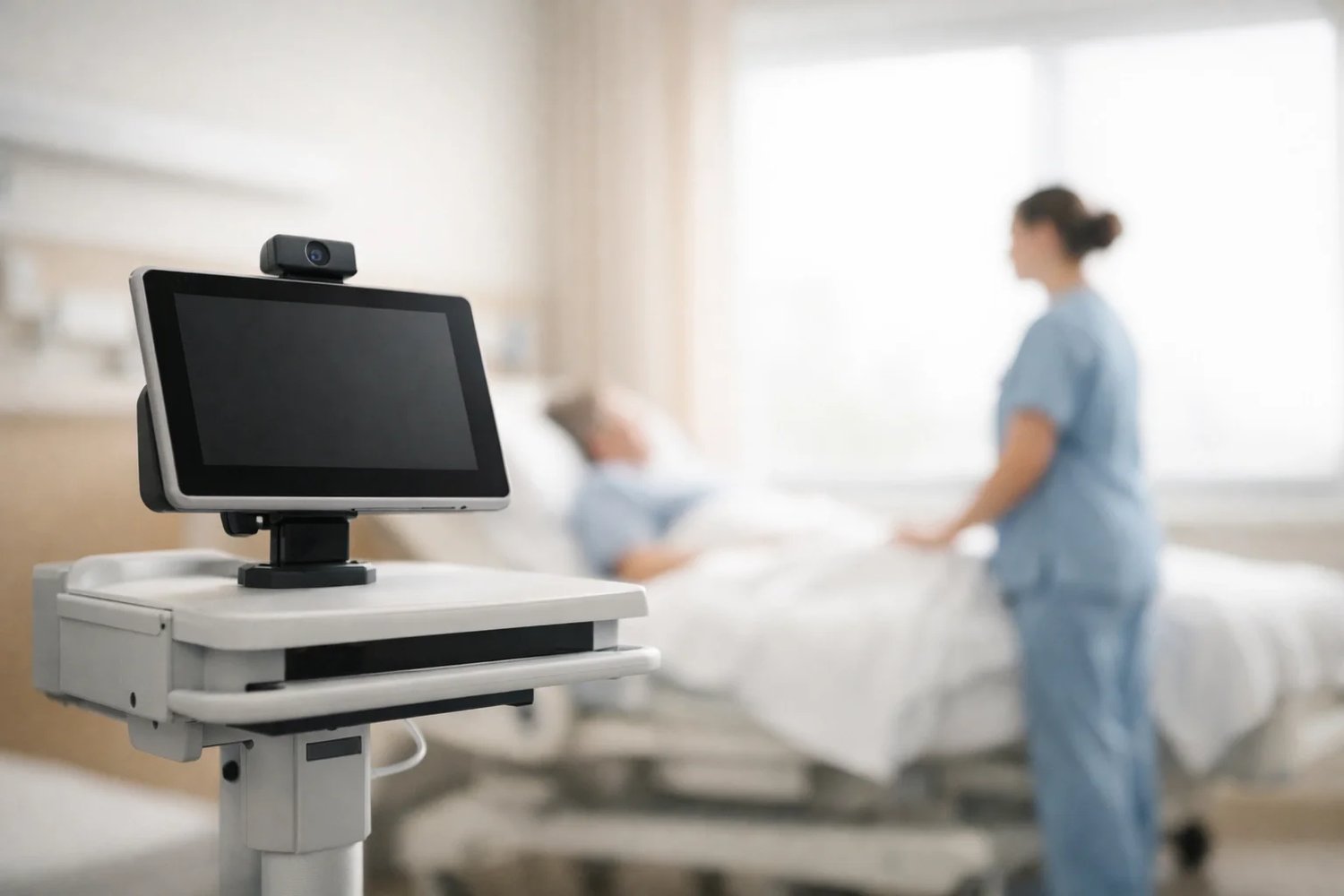
Section 1557 requires that video remote interpreting technology be of high quality. That means clear audio, adequate screen size, and reliable connectivity. It also means training your staff on how to use the equipment properly. A cart with a tablet gathering dust in a supply closet doesn't meet the requirement. Neither does a system that constantly freezes or has audio delays that make communication difficult.
When implemented correctly, video remote interpreting can provide immediate access to qualified interpreters in dozens of languages. But "immediate" doesn't mean "effortless." Your nursing staff needs training on positioning the camera, ensuring patient privacy, and troubleshooting technical issues. Without that training, even the best technology falls short.
The Path Forward
Section 1557 compliance isn't about checking boxes or meeting a deadline. It's about fundamentally shifting how healthcare organizations think about language access. When you treat professional language services as a core component of quality care rather than an administrative burden, everything changes.
The organizations that get this right are the ones that start by assessing their actual language needs. They look at their patient demographics. They identify which languages are most commonly encountered. They train their staff. They invest in qualified interpreters and certified linguists. And they build language access into their quality metrics alongside things like infection rates and patient satisfaction scores.
If your facility is scrambling to meet the July 5 deadline, you're not alone, but you are running out of time. The good news is that compliance is achievable with the right partners and approach. The mistakes we've outlined here are common, but they're also preventable. With proper planning, investment in professional language interpretation and translation services, and a genuine commitment to equity in care, your organization can meet these requirements and genuinely improve outcomes for your entire patient population.
Because at the end of the day, Section 1557 isn't really about regulations. It's about making sure that everyone who walks through your doors gets the care they deserve, regardless of the language they speak.
About the author
Stephen Gardner
Stephen Gardner shares practical guidance from Heartland Language Services on clear, reliable communication for multilingual workplaces.
Keep reading
Related articles
May 28, 2026
Top Languages Spoken in Indiana Healthcare Settings — And How Hospitals Can Serve Every Patient
Which languages do Indiana hospitals encounter most? Learn how Evansville-area healthcare facilities meet Section 1557 language access requirements with certified interpreters.
Read article →July 14, 2026
Certified Medical Interpreter Evansville, IN: HIPAA, Section 1557 & Patient Safety
Clear communication is a patient-safety requirement. Learn how qualified medical interpreters help Evansville-area healthcare providers protect privacy, support Section 1557 language access, and reduce preventable communication errors.
Read article →June 12, 2026
On-Site Interpreters vs. Translation Apps: Why Indiana Manufacturers Can't Afford to Get This Wrong
Should Indiana hospitals use VRI or on-site interpreters? Learn when each modality meets Section 1557, HIPAA, and Joint Commission requirements — and how Heartland's hybrid model serves the Tri-State.
Read article →