
Insights
How to Choose the Best VRI Platform for Your Louisville Healthcare Facility (5 Questions You Must Ask)
Published February 26, 2026 · By Jacob Brown
The emergency department at your Louisville healthcare facility gets busier every year, and so does the linguistic diversity of the patients walking through your doors. You know video remote interpreting makes sense. The technology is there, the need is obvious, and your compliance team has been nudging you about Section 1557 requirements for months now. But here's the thing: not all VRI platforms are created equal, and choosing the wrong one can cost you more than money. It can cost you patient trust, staff efficiency, and regulatory headaches you don't need.
So how do you cut through the marketing jargon and sales pitches to find a platform that actually works for your facility? It comes down to asking the right questions before you sign anything. Let's walk through what really matters when you're evaluating VRI providers for your Louisville healthcare operation.
Does This Platform Actually Talk to Your Existing Systems?
The first thing you need to figure out is whether a VRI platform can integrate with what you've already got. Your electronic medical record system isn't going anywhere, and neither are the tablets, laptops, and workstations your clinical staff relies on every day. The last thing anyone wants is another piece of technology that sits in its own silo, requiring separate logins, separate documentation, and separate headaches.
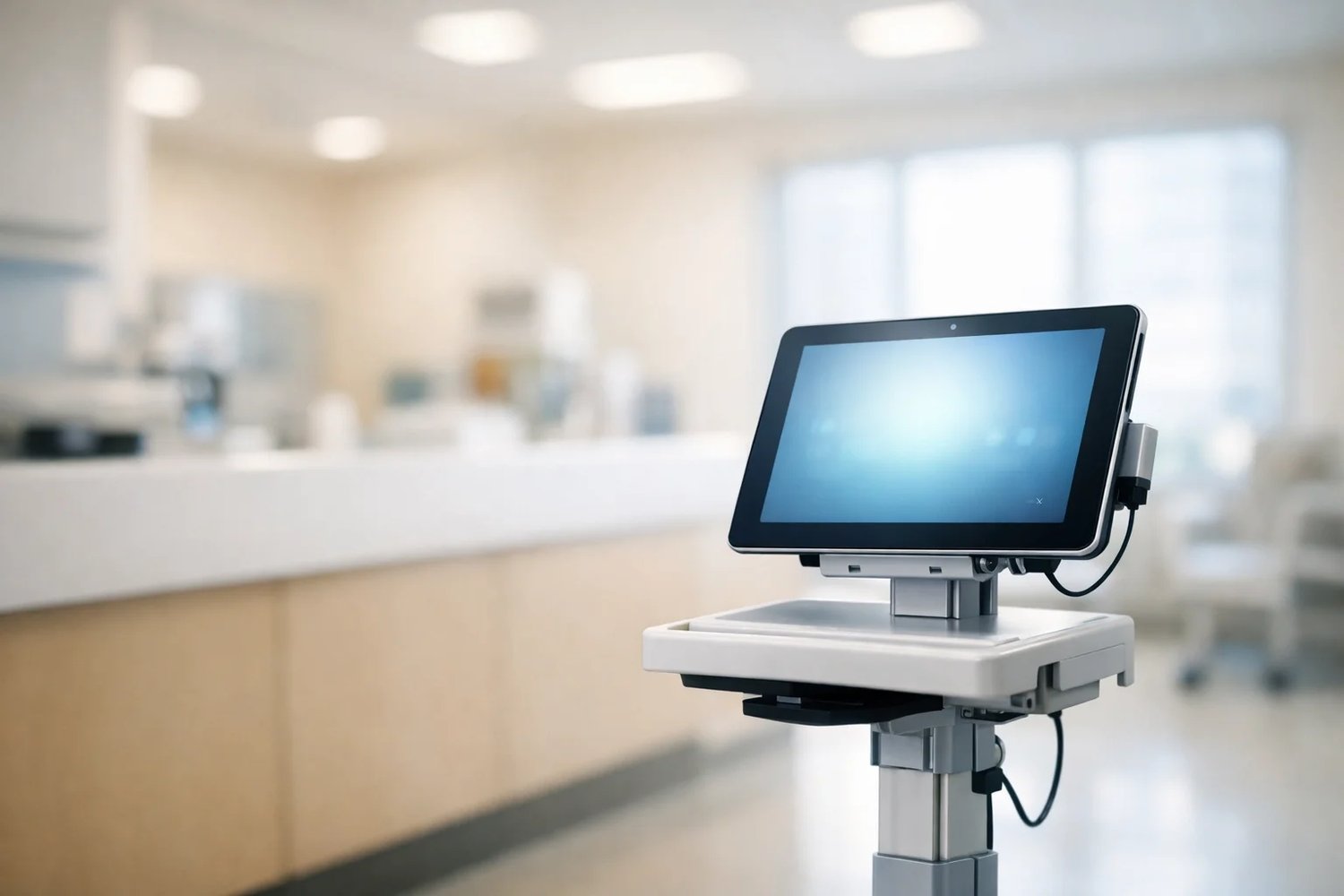
When a VRI platform connects seamlessly with your EMR, something powerful happens. Your nursing staff can launch an interpreting session directly from a patient's chart without breaking their workflow. Documentation flows naturally. Billing codes get captured. Everything stays in one place. That's not just convenient: it's essential for maintaining the kind of efficiency that keeps an emergency department or inpatient unit running smoothly during peak hours.
But integration goes beyond your EMR. Think about the devices your team already uses. Can the platform run on the tablets that nurses carry on rounds? Does it work on the desktop computers at registration? Will it function on the mobile carts in your procedural areas? If a vendor tells you that you need to buy all new hardware to make their system work, that's a red flag. Quality language interpretation and translation services should adapt to your infrastructure, not force you to rebuild it from scratch.
Can You Actually Reach an Interpreter When You Need One?
Here's where the rubber meets the road. A VRI platform is only as good as the interpreters it connects you with, and availability matters more than almost anything else. When a Spanish-speaking patient arrives at three in the morning with chest pain, you can't wait twenty minutes for an interpreter to become available. When a Somali-speaking family needs to discuss end-of-life care options, the conversation can't happen during business hours only.
The question you need to ask is simple but crucial: Does this platform provide genuine around-the-clock access to qualified interpreters? Not just for Spanish, but for the full range of languages your Louisville patient population speaks. If you serve communities with significant Arabic, Swahili, Karen, or Nepali populations, you need to know that interpreters are standing by at any hour.
Some providers advertise coverage in forty or fifty languages, which sounds impressive until you realize that certain languages are only available during limited windows. Dig deeper. Ask about average wait times for different languages at different times of day. Request data on their interpreter availability rates. The numbers will tell you whether a vendor can truly deliver on their promises or whether you'll be left scrambling when you need help most.
Who Are These Interpreters, Really?
Not all interpreters are created equal, and in healthcare settings, that distinction becomes critically important. You're not just looking for someone who speaks two languages. You need interpreters who understand medical terminology, who can navigate sensitive conversations about diagnosis and treatment, and who adhere to strict ethical standards about confidentiality and accuracy.

The interpreters connected through your VRI platform should hold national certifications and qualifications that demonstrate their competency in medical interpreting. They should understand HIPAA requirements. They should know how to handle the emotional complexity of delivering difficult news or explaining complicated procedures. These aren't skills that come from a weekend workshop or a language app.
When you're evaluating a VRI provider, ask about their vetting process. How do they select and train their interpreters? What ongoing quality assurance measures do they have in place? Do they maintain professional codes of ethics? These questions matter because interpreter quality directly impacts patient safety and your facility's compliance with federal civil rights laws, including Section 1557 requirements that healthcare organizations can no longer afford to ignore.
What Happens After You Sign the Contract?
Implementation is where many VRI initiatives stumble. You can have the most sophisticated platform in the world, but if your staff doesn't understand how to use it effectively, you've wasted your investment. The question you need to ask is this: What kind of support and training does this vendor provide, not just during rollout but on an ongoing basis?
Quality language service providers don't just hand you login credentials and wish you luck. They work with your team to develop workflows that make sense for your specific departments. They provide hands-on training for clinical staff, front desk personnel, and administrative teams. They help you establish best practices for when to use VRI versus in-person interpreting versus telephone interpreting.
But support shouldn't end after the first month. Healthcare is an environment of constant change: new staff members join, procedures evolve, and departments expand. Your VRI partner should offer continuing education opportunities, performance metrics that help you track utilization and outcomes, and responsive technical support when issues arise. If a vendor talks only about the technology and not about the partnership, take note. You're not buying software. You're establishing a relationship that needs to function smoothly for years to come.
Does the Math Actually Work?
Let's talk about cost, because this conversation matters even if it feels uncomfortable. VRI platforms represent an investment, and you need to understand both the direct costs and the hidden expenses that can sneak up on you. The question isn't just "What does this cost?" but rather "What value does this deliver relative to its cost?"

Start with the obvious numbers. What's the subscription fee? Are there per-minute charges for interpreter time? Are there setup costs or equipment requirements? But then push deeper. If the platform requires you to purchase new tablets or upgrade your network infrastructure, those costs need to be part of your calculation. If the system is clunky and slows down patient flow, that inefficiency has a price, too.
On the flip side, a well-designed VRI platform can deliver significant cost savings compared to maintaining a large roster of in-person interpreters. It can reduce patient wait times, improve satisfaction scores, decrease medical errors related to communication barriers, and help you avoid the steep penalties that come with compliance violations. When you're looking at translation services in Louisville KY, understanding the full return on investment helps you make a decision that balances quality with financial responsibility.
Making the Decision That's Right for Your Facility
Choosing a VRI platform isn't a decision to rush. Your Louisville healthcare facility has unique needs based on your patient demographics, your existing technology infrastructure, your staffing model, and your regulatory requirements. The platform that works perfectly for a small urgent care clinic might not scale for a large hospital system. The solution that serves a rural community health center might be overkill for a specialty practice.
Take the time to ask these five questions thoroughly. Request demonstrations that show real-world scenarios, not scripted sales presentations. Talk to references from similar healthcare organizations in Kentucky or surrounding regions. Test the platform with members of your own team who will use it daily.
The right VRI solution becomes an invisible part of your care delivery: so seamless that staff members use it naturally and patients receive the communication support they need without delays or complications. The wrong solution becomes a source of frustration that collects dust while your team reverts to makeshift workarounds that put your organization at risk.
If you're ready to explore how professional language interpretation and translation services can support your Louisville healthcare facility, the conversation starts with understanding what you truly need. From there, finding a partner who can deliver becomes much clearer. And when you get it right, everyone benefits: your staff, your patients, and your organization's mission to provide excellent care to every person who walks through your doors.

About the author
Jacob Brown
Jacob Brown shares practical guidance from Heartland Language Services on clear, reliable communication for multilingual workplaces.
Keep reading
Related articles
June 26, 2026
Safety Data Sheet Translation for Indiana Manufacturers: OSHA HazCom Compliance and the Multilingual Workforce
Indiana manufacturers with multilingual workforces must provide OSHA HazCom-compliant Safety Data Sheets in every language their employees speak. Learn how certified SDS translation keeps your facility compliant with 29 CFR 1910.1200, GHS standards, and OSHA penalty thresholds — and how Heartland serves the Tri-State region.
Read article →January 31, 2026
How to Choose the Best Translation Services in Louisville KY (Compared)
Read article →October 19, 2026
Medical Insurance Translation: EOBs, Denial Letters, Prior Authorizations and Appeals
EOBs, denial letters, prior authorizations and appeal forms: what medical insurance translation covers and the language help your health plan must offer.
Read article →