
Insights
Why "Bilingual Enough" Doesn’t Cut It for Evansville’s Manufacturing Sector
Published April 15, 2026 · By Jacob Brown
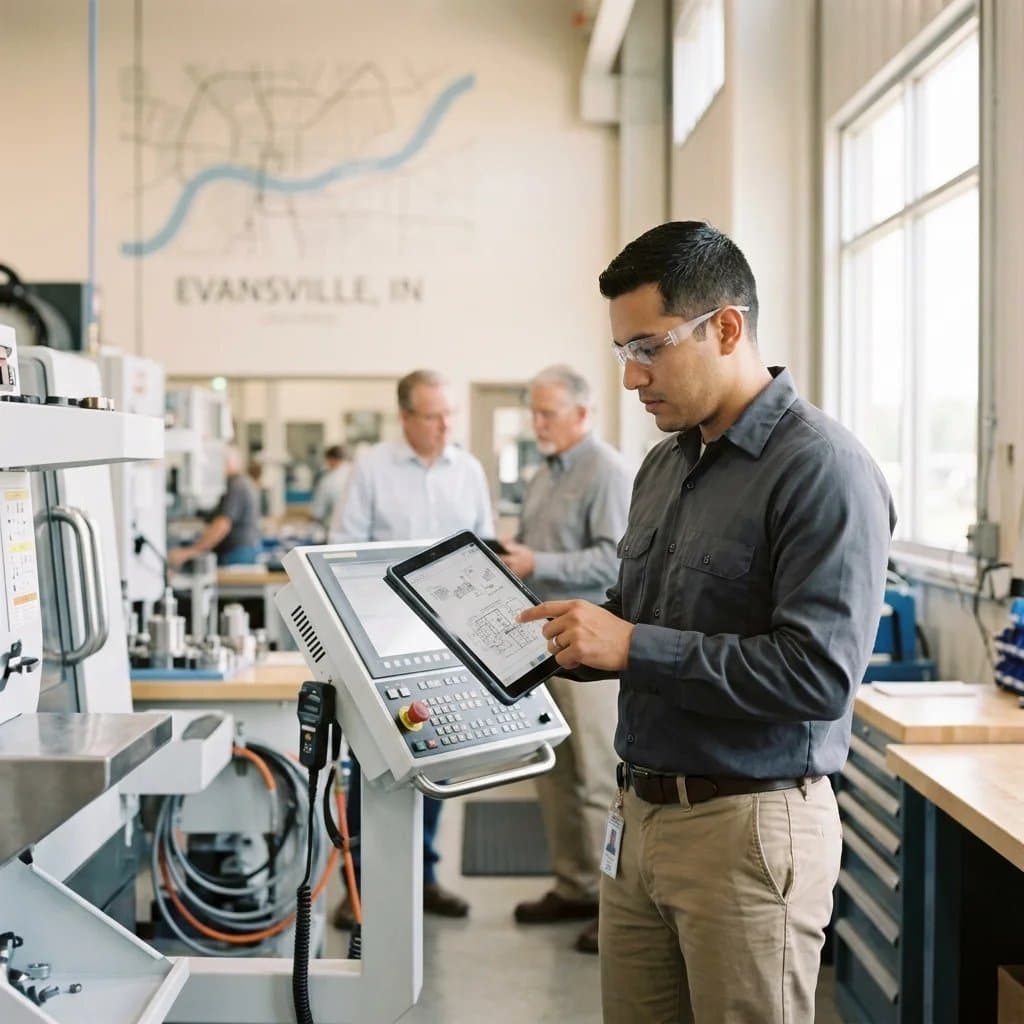
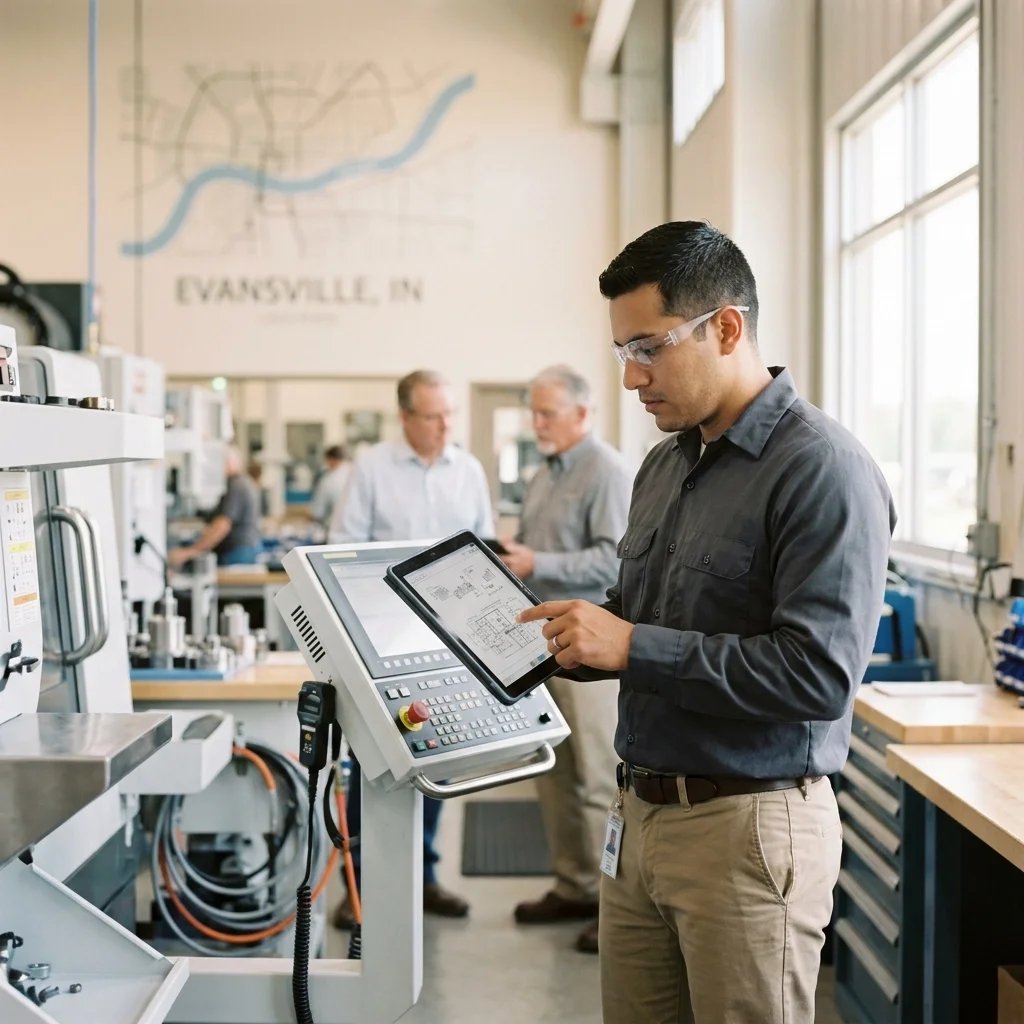
The humming rhythm of a manufacturing floor in Evansville, Indiana, is a unique symphony of productivity. From the massive assembly lines near the riverfront to the specialized fabrication shops tucked away on the North Side, the city’s industrial heartbeat is stronger than ever. However, as the workforce becomes increasingly diverse, a quiet but significant risk is beginning to echo through these facilities. It is a risk born of good intentions but fueled by a dangerous misunderstanding of language. For many plant managers and HR directors, there is a lingering belief that having a few employees who are "bilingual enough" is sufficient to bridge the gap for a limited-English-speaking workforce. Unfortunately, in the high-stakes environment of modern manufacturing, "close enough" can lead to catastrophic consequences.
Imagine a Tuesday morning shift where a new piece of precision equipment is being calibrated. The supervisor, eager to keep production on schedule, realizes the safety protocols for this specific machine are only available in English. Knowing that several team members on the floor primarily speak Spanish or Marshallese, the supervisor calls over a long-time employee who is known to be fluent in both English and his native tongue. On the surface, this seems like a practical, common-sense solution. It is fast, it costs nothing extra, and it utilizes the internal talent already on the payroll. But this "ad-hoc" approach is where the danger resides. Conversational fluency is a world apart from technical proficiency, and when it comes to manufacturing safety, the nuance of a single verb or the misinterpretation of a technical pressure setting can result in an OSHA recordable incident or worse.
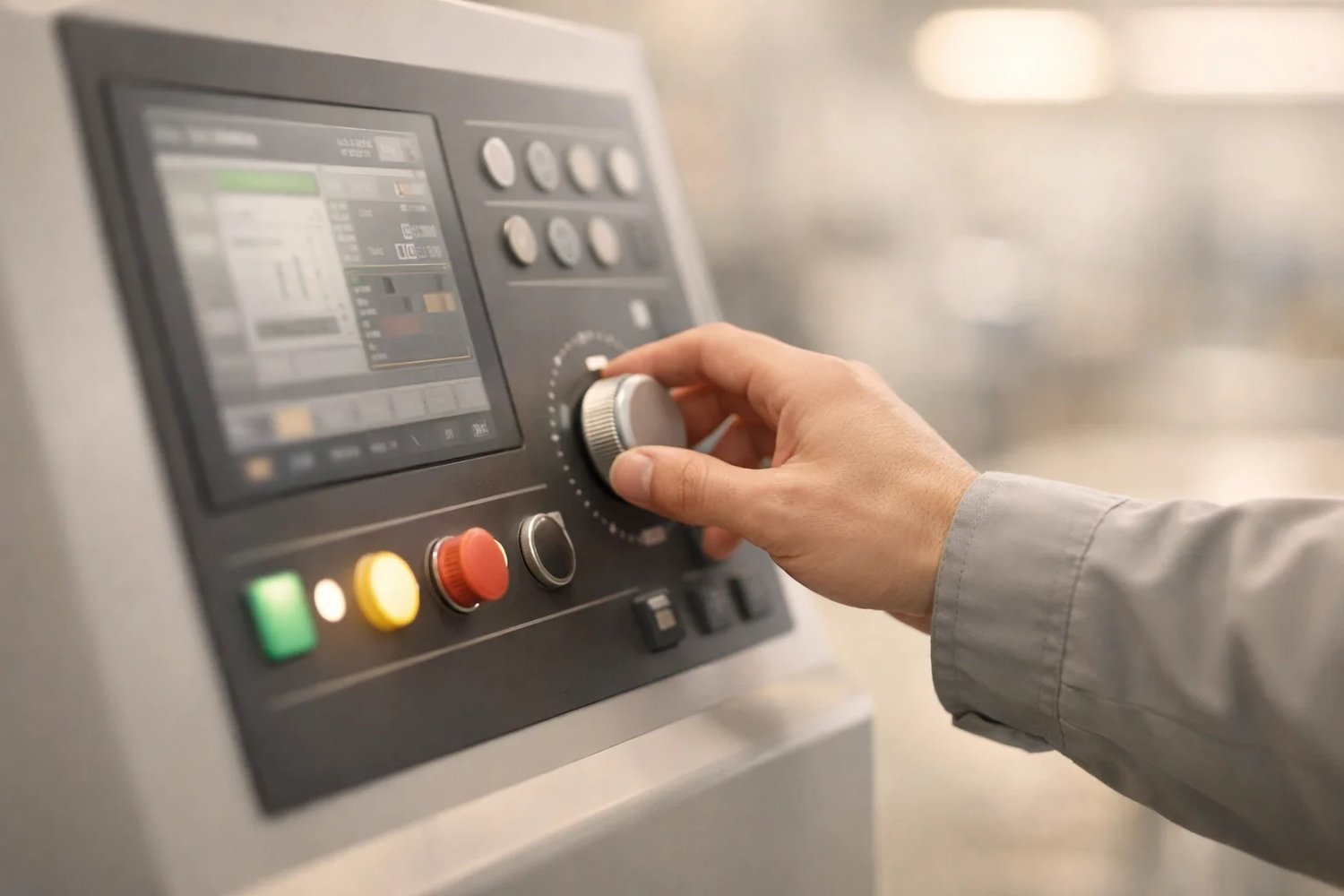
The Evansville manufacturing sector is currently undergoing a massive technological shift. As local industry leaders have noted, operators are no longer just using their hands to move parts; they are interacting with sophisticated human-machine interfaces and interpreting complex digital data streams. This evolution requires a level of precision in communication that conversational bilingualism simply cannot provide. A worker might be able to discuss their weekend plans or explain a basic task in two languages, but that does not mean they understand the specific linguistic equivalents for "hydraulic torque specifications" or "emergency lockout-tagout procedures." When an untrained employee is forced into the role of an interpreter, they are often guessing at the technical terms, which creates a false sense of security for the limited-English-speaking staff who are relying on them.
Furthermore, relying on "the guy on the floor" creates an immense and unfair burden on that employee. When a bilingual staff member is pulled away from their primary duties to translate a safety meeting or an HR policy change, productivity drops in their own department. More importantly, that employee is now being held informally responsible for the safety and comprehension of their peers, despite having no formal training in interpretation ethics or terminology. If a mistake happens because of a mistranslated instruction, the emotional and professional fallout for that individual can be devastating. This is why workplace translation in Indiana factories has become a top priority for companies that recognize the difference between a stopgap measure and a professional standard.

In Evansville, the demographics of the workforce are shifting rapidly. We are seeing a vibrant mix of Spanish-speaking communities, as well as a growing presence of Marshallese and Haitian Creole speakers. This linguistic diversity is a strength for our local economy, but it requires a sophisticated approach to communication. Heartland Language Services understands that Evansville businesses cannot afford the downtime or the liability that comes with miscommunication. By offering a seamless approach to language access, we take the pressure off the internal team and ensure that every worker, regardless of their native language, has the exact same level of understanding as their English-speaking counterparts. With support for over 350 languages, we provide the specialized expertise that covers everything from technical manual translation to on-site interpretation for safety training.
The legal landscape also provides a compelling argument against the "bilingual enough" philosophy. Federal and state regulations are increasingly focused on ensuring that safety information is accessible to all employees in a language they actually understand. In the event of an audit or a workplace injury investigation, a company that relies on casual, unverified translation by a non-professional may find itself in a precarious position. Documenting that safety training was provided via a vetted, professional linguist offers a layer of compliance and protection that an ad-hoc conversation simply cannot match. It demonstrates a commitment to the "duty of care" that every Evansville employer holds toward their workforce.

Operational efficiency is another area where professional language services pay for themselves. In the lean manufacturing environments that dominate the Evansville region, every minute of "re-work" or scrap material caused by a misunderstood instruction is a direct hit to the bottom line. When a limited-English-speaking operator receives clear, professionally translated instructions, the margin for error shrinks. They are empowered to do their jobs correctly the first time, without the hesitation or guesswork that characterizes a workplace with a language barrier. This clarity fosters a culture of inclusion and respect, which is vital for employee retention in a competitive labor market. Workers who feel they are given the tools and information to succeed are far more likely to remain loyal to their employer.
Heartland Language Services has seen firsthand how a shift toward professional interpretation transforms the atmosphere of a factory. It moves the needle from "getting by" to "thriving." Our seamless approach is designed to integrate into the existing workflows of a busy manufacturing facility. Whether it is a short-notice video remote interpretation for a shift-change meeting or the meticulous translation of a 200-page operations manual, the goal is always the same: absolute accuracy. We don't just translate words; we translate the intent, the technical requirements, and the safety-critical details that keep Evansville moving forward.
As we look toward the future of manufacturing in Southwest Indiana, the complexity of our machines and the diversity of our people will only continue to grow. The businesses that lead the way will be those that stop settling for "bilingual enough" and start investing in professional linguistic infrastructure. It is not just a matter of checking a box for compliance; it is about building a safer, more efficient, and more unified workforce. Heartland Language Services is proud to be a partner in that journey, providing the 350+ languages and the expert precision that Evansville’s industrial sector deserves. By choosing professional language services, you aren't just bridging a gap: you are building a stronger foundation for everything your company creates.

The next time you walk through your facility and see a group of workers huddled around a bilingual peer trying to decipher a new memo or a safety sign, consider the risks being taken in that moment. Consider the potential for error and the weight of responsibility on that untrained translator. Then, consider the alternative: a workplace where communication is never a barrier to success, where safety is universal, and where Heartland Language Services ensures that every word spoken and written is understood by everyone on the floor. In Evansville, we take pride in building things that last. Let's make sure our communication strategies are built with that same level of integrity and professional standard.

About the author
Jacob Brown
Jacob Brown shares practical guidance from Heartland Language Services on clear, reliable communication for multilingual workplaces.
Keep reading
Related articles
July 10, 2026
Spanish Interpretation Services in Evansville, Indiana
Businesses across Evansville and the Tri-State area rely on professional Spanish interpretation to communicate clearly, protect compliance, and serve multilingual communities. Learn how Heartland Language supports healthcare, legal, manufacturing, and business teams.
Read article →July 6, 2026
Manufacturing Interpreter Indiana: Protecting Workers Through Language Access
Manufacturing interpreter services help Indiana employers reduce safety risk, improve HR communication, and support multilingual teams across Evansville, Henderson, Louisville, Jasper, and Southeast Illinois.
Read article →June 16, 2026
Immigration Court Interpretation in Indiana: Why Getting It Right Is a Matter of Freedom
Immigration court proceedings in Indiana require qualified, certified interpreters — not bilingual staff. Heartland provides vetted immigration interpreters in 350+ languages across Evansville, Henderson KY, and the Tri-State region. Excerpt: Immigration proceedings require certified interpreters fluent in legal terminology and immigration procedure. A single mistranslated phrase can mean denial of asylum or wrongful deportation. Heartland provides qualified immigration interpreters in 350+ languages across Southwest Indiana and the Tri-State region.
Read article →