
Insights
Safety in the Details: How a Professional Linguist Interpreter Prevents Costly Communication Breakdowns
Published May 18, 2026 · By Jacob Brown

The air inside a modern manufacturing facility in the Tri-State area is thick with more than just the hum of heavy machinery and the smell of cooling oil. It is filled with the constant, invisible flow of critical information. On any given afternoon in a Louisville plant, a supervisor might be explaining the intricate nuances of a high-pressure hydraulic press, a safety officer might be reviewing the specific lockout/tagout procedures for a malfunctioning conveyor, and a maintenance technician might be shouting warnings over the roar of a CNC machine. In these moments, language is not just a tool for social interaction; it is the primary safety mechanism that stands between an efficient shift and a catastrophic industrial accident.
When the workforce is comprised of a diverse group of talented individuals, the presence of a limited-English-speaking employee is common. In these high-stakes environments, the margin for error is razor-thin. For many local manufacturing firms, the temptation to rely on "close enough" communication is strong. Perhaps there is a bilingual floor lead who can pass along the gist of a safety briefing, or a younger worker who can translate for an older relative. However, this reliance on ad hoc interpretation creates a silent risk that can manifest in devastating ways. The difference between a professional linguist interpreter and a well-meaning but untrained bilingual speaker is measured in the precision of technical terminology and the unwavering commitment to total accuracy.
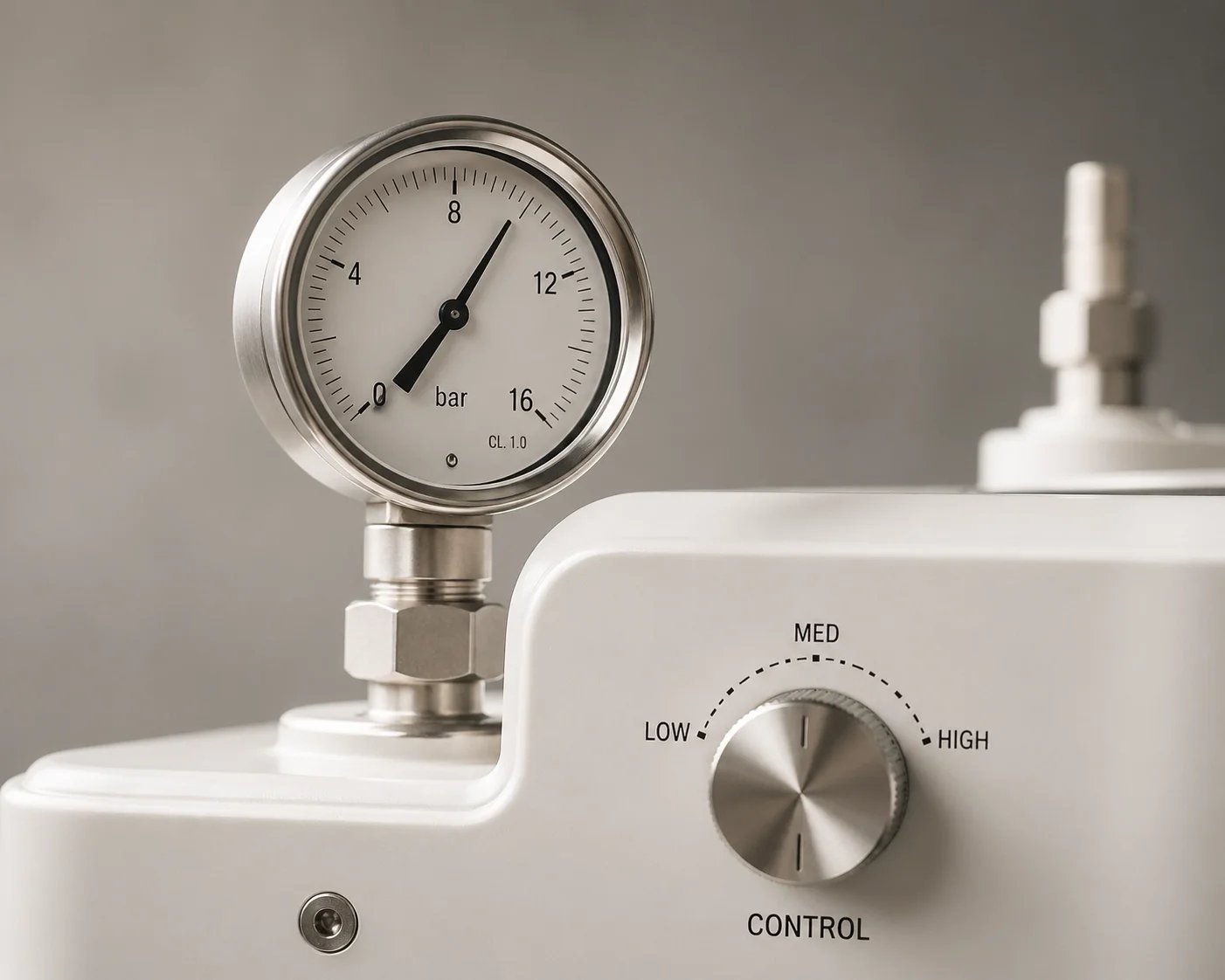
In the high-velocity world of industrial production, a single misinterpreted adjective can alter the outcome of an entire procedure. Consider the technical complexity of modern safety protocols. When a professional linguist interpreter steps onto the floor, they are not merely swapping words from one language to another; they are acting as a precision filter for meaning. Unlike an untrained staff member who might inadvertently summarize or omit a seemingly minor detail to save time, a professional understands that in manufacturing, there is no such thing as a minor detail. They recognize that if a warning specifies a "gradual" release of pressure rather than a "slow" one, the distinction could be the key to preventing an equipment failure or a life-altering injury.
The data surrounding communication-related accidents is sobering. Industry research suggests that nearly one in four workplace injuries involve some form of communication failure. When we look closer at the statistics, the gap between professional and amateur interpretation becomes even more pronounced. Studies have shown that untrained interpreters are significantly more likely to omit or distort safety-critical information, often failing to capture the clinical or technical weight of a directive. In contrast, the presence of a professional interpreter has been shown to reduce communication errors with potential consequences from over sixty percent down to a mere two percent. This is not just a marginal improvement; it is a fundamental transformation of the safety landscape.

For a manufacturing manager in the Evansville or Louisville sectors, the cost of a breakdown is multifaceted. There is the immediate human cost, which is always the most significant concern. Beyond that, there is the secondary fallout of equipment damage, production downtime, and the inevitable surge in insurance premiums. Organizations that prioritize comprehensive manufacturing safety recognize that a professional interpreter is a form of insurance in and of itself. By ensuring that every limited-English-speaking worker fully grasps the "why" behind a safety protocol, not just the "what," the company builds a culture of genuine understanding rather than one of superficial compliance.
The psychological impact of clear communication should also not be underestimated. When a worker is given instructions through a professional who speaks their native language with technical fluency, it fosters a sense of agency and confidence. A worker who is unsure of a procedure because they only caught the "gist" of the explanation is a hesitant worker. Hesitation leads to mistakes. Conversely, a worker who has had every nuance of a safety procedure explained by a professional linguist is empowered to speak up when they see a hazard. They can participate fully in the safety culture of the plant, contributing to a collective vigilance that protects everyone on the floor.
Furthermore, the legal and regulatory landscape is increasingly unforgiving toward "close enough" interpretation. OSHA and other regulatory bodies look specifically at whether safety training was provided in a language and manner that the employee could actually understand. Utilizing a bilingual foreman might seem like an efficient shortcut, but if that foreman lacks training in the ethics and mechanics of interpretation, the company remains exposed to significant liability. Professional interpreters are trained to remain neutral and to interpret everything that is said without adding personal opinions or "softening" a harsh warning. This professional distance ensures that the supervisor’s original intent is delivered with its full, unadulterated weight, which is essential for maintaining strict industrial discipline.
The challenges of the Tri-State manufacturing sector are unique, often involving specialized machinery and regional dialects that require a localized touch. A professional linguist interpreter from the region understands the specific vocabulary of the local industry. They know the difference between the jargon used in an automotive assembly plant versus a food processing facility. This level of specialization prevents the kind of generic translation errors that often occur when using automated tools or remote services that lack context. When a linguist is physically present or deeply familiar with the environment, they can observe the machinery, understand the flow of the room, and ensure that their interpretation accounts for the physical realities of the workspace.
As we look toward the future of manufacturing in our region, the integration of professional language services will only become more vital. The complexity of the technology we use is increasing, and with it, the complexity of the instructions required to operate it safely. A "gist" translation of a software-driven safety interface is simply not an option when a single incorrect keystroke can result in thousands of dollars of damage or a physical hazard. By investing in professional linguists, companies are choosing a path of precision over a path of probability. They are deciding that the safety of their people and the integrity of their operations are too valuable to be left to the whims of "bilingual enough."
Ultimately, the goal of every shift is for every worker to return home in the same condition they arrived. Achieving this goal requires a relentless focus on the details. It requires acknowledging that language is a precision instrument, and like any other precision instrument on the manufacturing floor, it must be handled by a trained professional. When the noise of the machines is at its loudest, the clear, accurate voice of a professional interpreter is the most powerful safety tool a company can possess. It turns the "hidden cost of close enough" into the visible value of absolute clarity, ensuring that no detail: no matter how small( is ever lost in translation.)

About the author
Jacob Brown
Jacob Brown shares practical guidance from Heartland Language Services on clear, reliable communication for multilingual workplaces.
Keep reading
Related articles
July 23, 2026
Interpretation and Translation Services Indiana: A Tri-State Guide
Spoken conversations and written documents require different language solutions. This guide helps Tri-State teams choose the right service before a communication gap becomes a delay, safety risk, or compliance problem.
Read article →July 14, 2026
Certified Medical Interpreter Evansville, IN: HIPAA, Section 1557 & Patient Safety
Clear communication is a patient-safety requirement. Learn how qualified medical interpreters help Evansville-area healthcare providers protect privacy, support Section 1557 language access, and reduce preventable communication errors.
Read article →July 6, 2026
Manufacturing Interpreter Indiana: Protecting Workers Through Language Access
Manufacturing interpreter services help Indiana employers reduce safety risk, improve HR communication, and support multilingual teams across Evansville, Henderson, Louisville, Jasper, and Southeast Illinois.
Read article →