
Insights
Do You Really Need a Certified Linguist? Here’s the Truth for Legal Firms and Corporations Man- aging High-Risk Files
Published March 11, 2026 · By Stephen Gardner

In the high: stakes world of corporate litigation and international mergers, the margin for error is nonexistent. Imagine a scenario where a multi: million dollar contract hinges on a single clause re- garding indemnification. Now, imagine that clause was translated by someone who is merely bilingual but lacks a formal background in legal terminology. A single mistranslated verb or a misunderstood jurisdictional term can transform a protective shield into a massive liability. For legal firms and corpo- rations managing high: risk files, the question of whether to hire a certified linguist is not just a matter of convenience: it is a fundamental component of risk management.
Many professionals fall into the trap of believing that fluency is synonymous with expertise. However, being able to hold a conversation in a second language is a world away from the rigorous demands of certified document translations. Legal and corporate documents are written in a specific register, often utilizing archaic terminology, complex syntax, and highly specialized concepts that do not al- ways have a direct equivalent in another language. A certified linguist does more than swap words; they perform what is known as equivalence judgment. They ensure that the legal intent and enforce- ability of the source text remain intact within the target language’s legal framework. This level of pre- cision is rarely achieved by uncertified individuals or generic automated tools.
The risks associated with using non: professional services are particularly acute when dealing with high: risk files that involve sensitive personal data. For legal firms handling medical malpractice or personal injury cases, the intersection of language access and HIPAA compliance is a critical intersec- tion. When a firm utilizes spoken language interpreting for a deposition or a client meeting, the inter- preter must be well: versed in the confidentiality requirements mandated by federal law. A breach of privacy during the interpretation process can lead to devastating legal consequences and a total loss
of client trust. Certified linguists are trained in these ethical boundaries and provide a level of quality control that protects both the firm and the individual’s private health information.
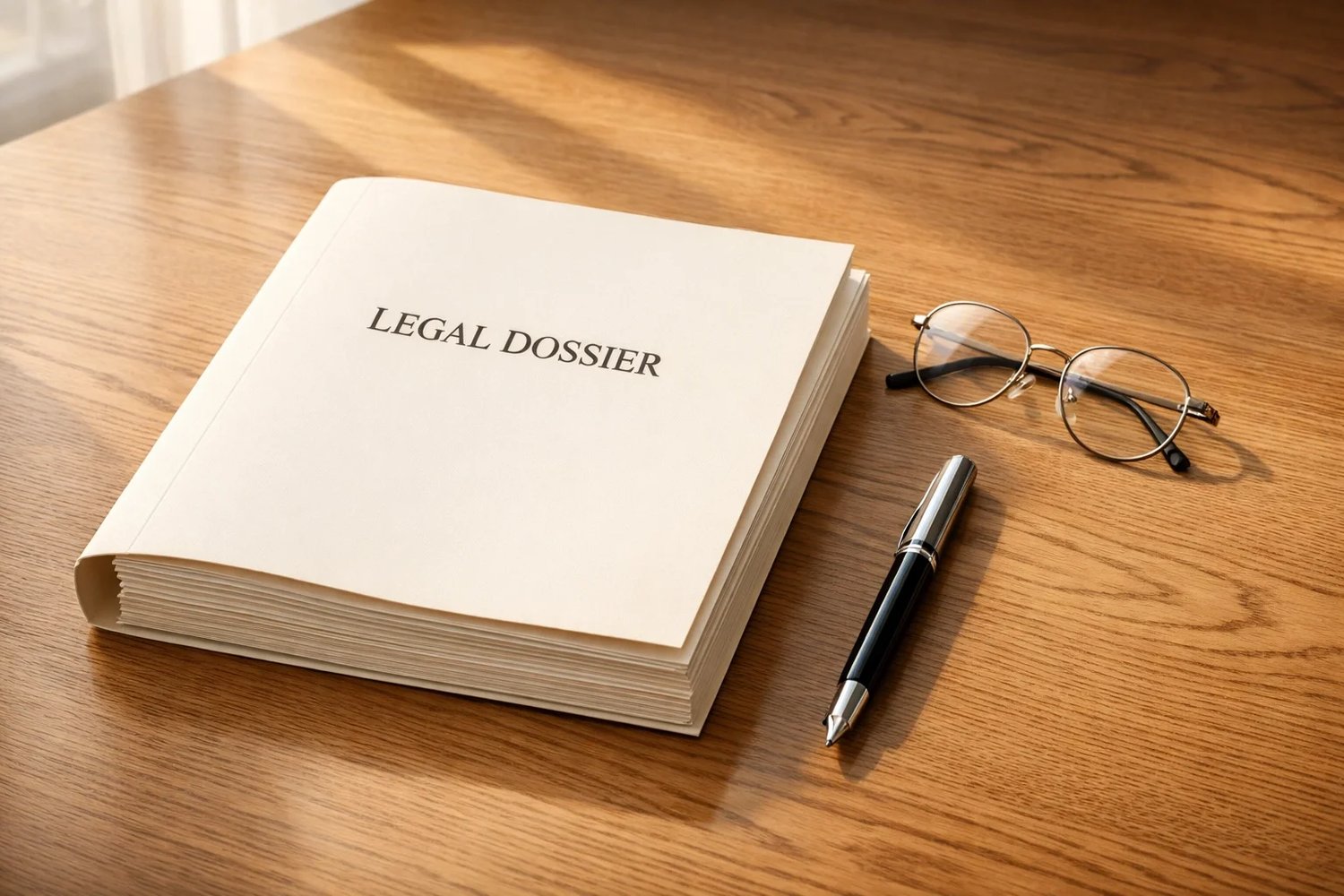
Consider the implications of a poorly handled evidentiary document in a criminal proceeding or a high: value civil suit. If a document is translated incorrectly, it may be deemed inadmissible in court, or worse, it could lead to an incorrect judgment. Professional certified document translations come with a certificate of accuracy that stands up to judicial scrutiny. This certification acts as a formal guar- antee that the translation is a true and accurate representation of the original. Without this, a legal team is essentially operating in the dark, hoping that their evidence holds up under the pressure of opposing counsel. In the corporate sector, this risk extends to regulatory filings and international compliance. A single error in a translated financial statement or a safety protocol can trigger audits, fines, and long: term reputational damage.
Furthermore, the operational efficiency of a corporation depends on the clarity of its internal and ex- ternal communications. When companies expand into new markets, they often rely on corporate lan- guage training to bridge the gap between their domestic headquarters and international branches.
However, when it comes to the technical manuals, employment contracts, and safety briefs that keep the gears of the company turning, the stakes are even higher. A misunderstanding of a safety proce- dure in a manufacturing plant is not just a communication failure: it is a physical hazard. Relying on a certified linguist ensures that these critical instructions are conveyed with 100% accuracy, maintaining a safe and compliant workplace for a diverse workforce.
The financial argument for hiring a certified professional is equally compelling. While the upfront cost of a certified linguist may be higher than a freelance amateur or a basic software subscription, the long: term savings are substantial. The cost of rework, legal delays, and potential litigation resulting from a mistranslation far exceeds the initial investment in quality. In many cases, a firm that attempts to save money on the front end ends up paying three times as much to fix the errors discovered dur- ing a trial or an audit. By integrating professional language services into their standard workflow, cor-
porations and law firms can avoid these costly communication gaps and focus on their core objec- tives.

In the Tri: State area, where manufacturing, healthcare, and legal services intersect, the need for vet- ted professionals is even more pronounced. Whether a firm is navigating the complexities of Section 1557 language access or ensuring that their medical interpreting in Evansville meets the highest stan- dards, the quality of the linguist is the deciding factor in the outcome. A certified linguist brings cul- tural expertise that goes beyond the dictionary. They understand the nuances of regional dialects and the social contexts that can influence how a message is received. This is particularly important in legal depositions where the tone and intent of a witness can be just as important as their literal words.
The truth for legal firms and corporations is that high: risk files require high: level protection. This protection is found in the rigorous testing, ethical training, and subject: matter expertise that only a certified linguist provides. As the world becomes more interconnected and the regulatory environ- ment grows more complex, the reliance on professional language services will only increase. Choos- ing a partner who understands the weight of these responsibilities is essential. Heartland Language Services stands as a gatekeeper of quality, ensuring that every word translated and every sentence in- terpreted serves the goals of justice, safety, and corporate integrity.

When we look at the future of the industry, particularly with the rise of artificial intelligence, the role of the "human: in: the: loop" becomes even more vital. While AI can handle large volumes of simple text, it lacks the judgment required for high: risk legal and corporate files. A certified professional can identify where a bot might hallucinate a legal term or miss a subtle nuance in a witness’s testimony. This human oversight is the final layer of quality control that prevents catastrophic errors. For those managing sensitive data and high: stakes litigation, the "truth" is simple: the expertise of a certified linguist is an indispensable asset that provides peace of mind in an increasingly multilingual and liti- gious world.
Ultimately, the decision to work with a certified linguist is a commitment to excellence. It signals to clients, regulators, and the court that a firm takes its responsibilities seriously. It demonstrates a proactive approach to language interpretation and translation services compliance and ensures that no detail, however small, is lost in translation. In the end, the cost of a mistake in a high: risk file is simply too high to leave to anything less than a certified expert. By prioritizing quality and certifica- tion, legal firms and corporations can navigate the complexities of global communication with confi- dence and precision.
About the author
Stephen Gardner
Stephen Gardner shares practical guidance from Heartland Language Services on clear, reliable communication for multilingual workplaces.
Keep reading
Related articles
June 22, 2026
Behavioral Health Interpretation in Indiana: Why Certified Interpreters Are Essential for Mental Health Care
Language barriers in behavioral health settings can delay diagnosis, erode trust, and put patients at risk. Here's what Indiana mental health providers need to know about certified interpreter access.
Read article →June 1, 2026
Certified Legal Translation Services for Indiana Law Firms: What You Need to Know
Read article →May 7, 2026