

Section 1557 Language Access Compliance: What Indiana Healthcare Providers Must Know in 2026
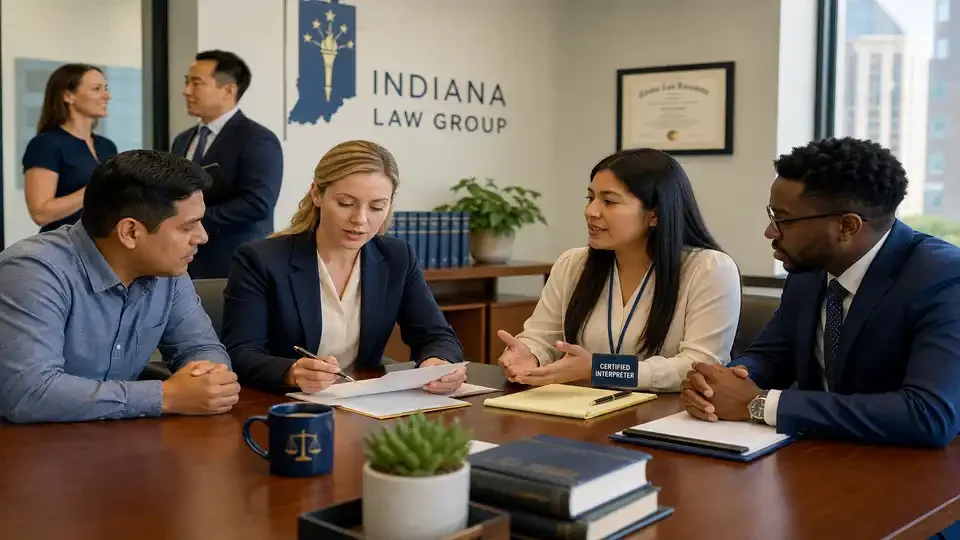
Certified Legal Translation Services for Indiana Law Firms: What You Need to Know

Top Languages Spoken in Indiana Healthcare Settings — And How Hospitals Can Serve Every Patient
Which languages do Indiana hospitals encounter most? Learn how Evansville-area healthcare facilities meet Section 1557 language access requirements with certified interpreters.

How Can HR Leaders Create Better Outcomes in 3 Hours?
What you get from the Haitian Creole for HR Professionals workshop — and what it costs you to keep doing what you're doing.

Behavioral Health Interpretation in Indiana: Why Mental Health Providers Need Certified Interpreters
Mental health care relies on exact words, emotional nuance, and cultural trust. Discover why Indiana's behavioral health providers need certified interpreters—and what's at stake when language access fails.
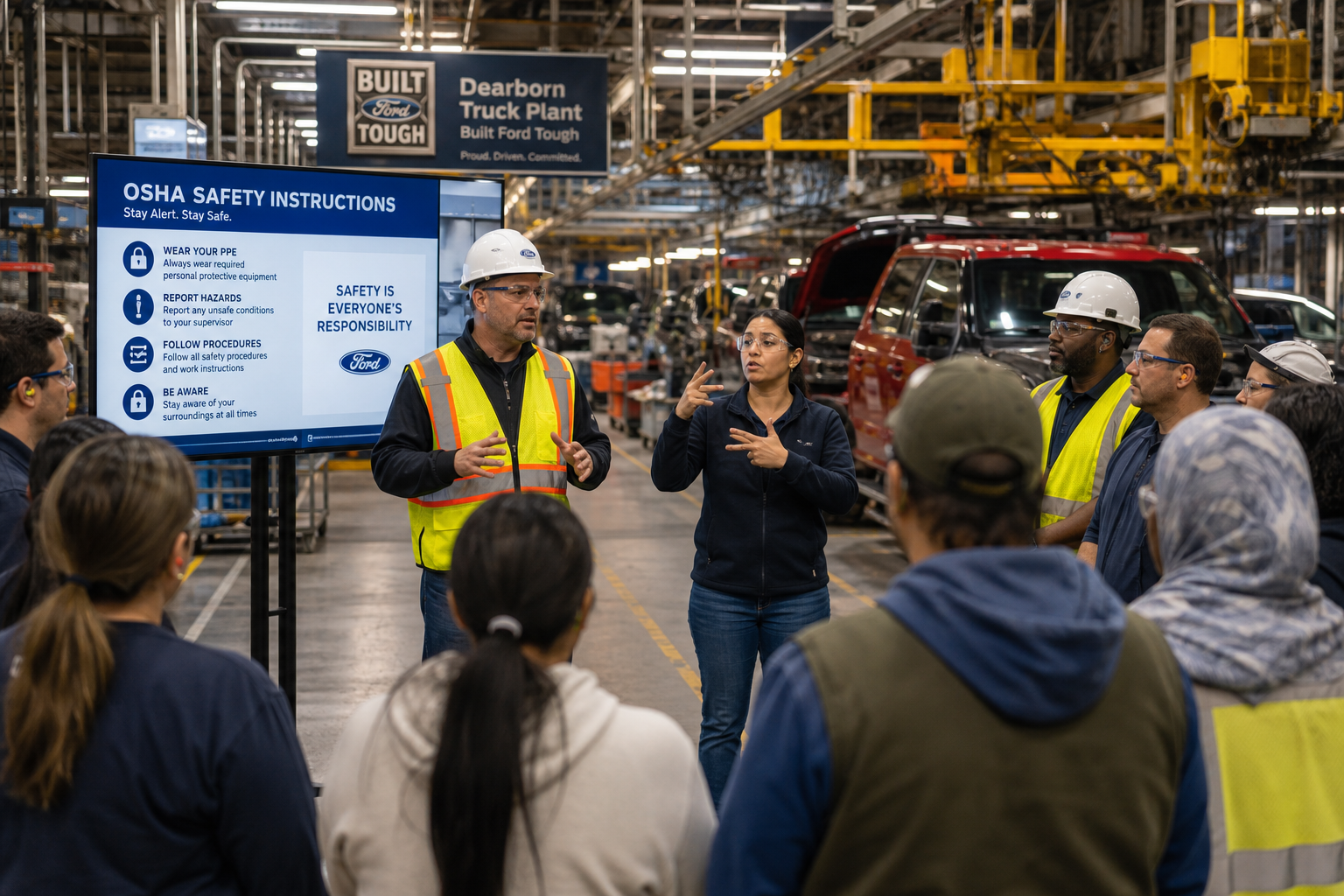
Language Access in Indiana’s Auto Manufacturing Sector: How Interpreters Keep Workers Safe and Compliant
Indiana's auto manufacturers face a critical language access gap. Discover how certified interpreters protect workers, ensure OSHA compliance, and reduce costly accidents on the plant floor.

Safety in the Details: How a Professional Linguist Interpreter Prevents Costly Communication Breakdowns
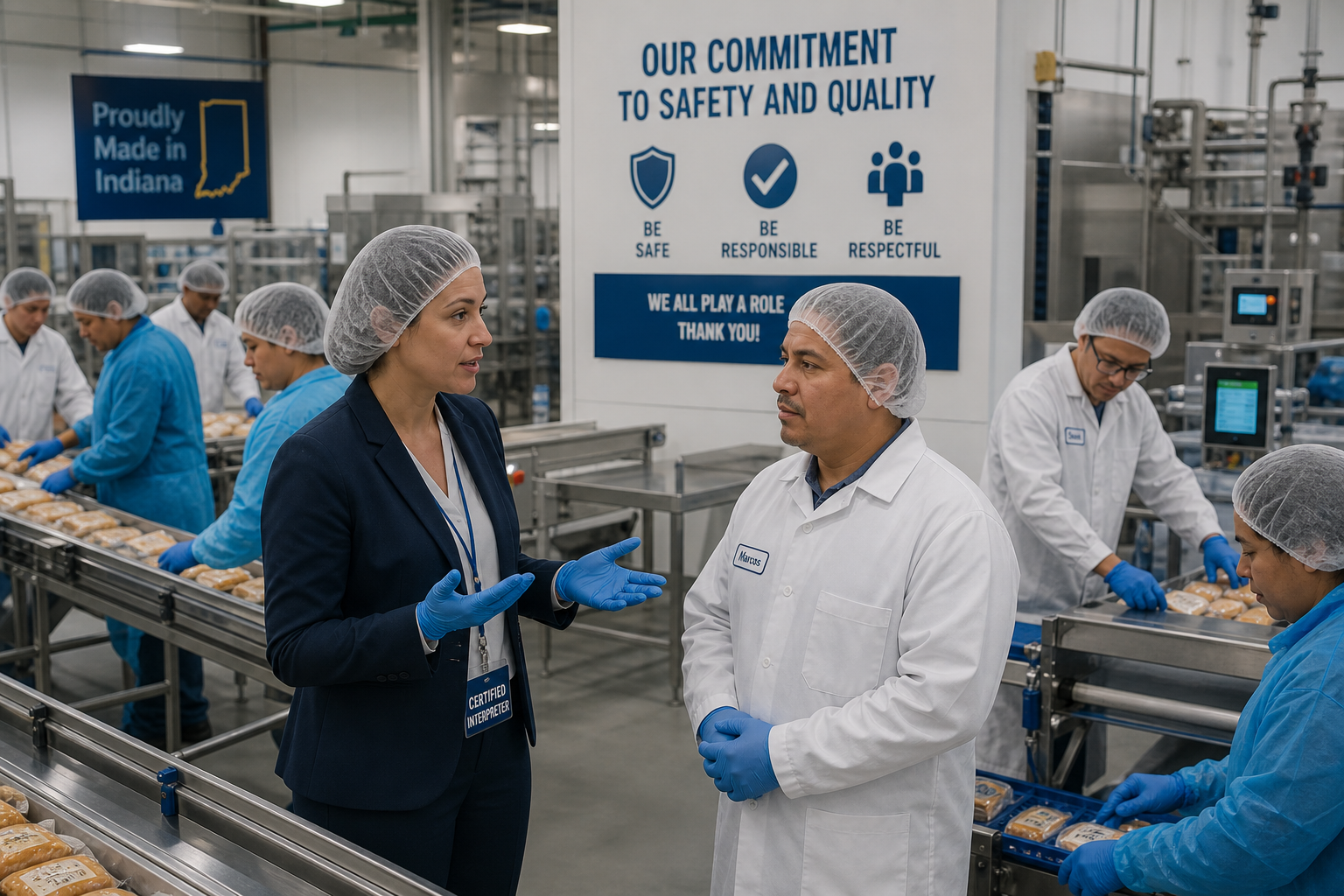
FSMA, OSHA, and Language Access: Why Indiana Food Manufacturers Can’t Afford Language Gaps
Indiana food manufacturers face FSMA and OSHA language access requirements. Learn why certified interpreters are essential for food safety compliance and worker protection.Indiana food manufacturers face FSMA and OSHA language access requirements. Learn why certified interpreters are essential for food safety compliance and worker protection.
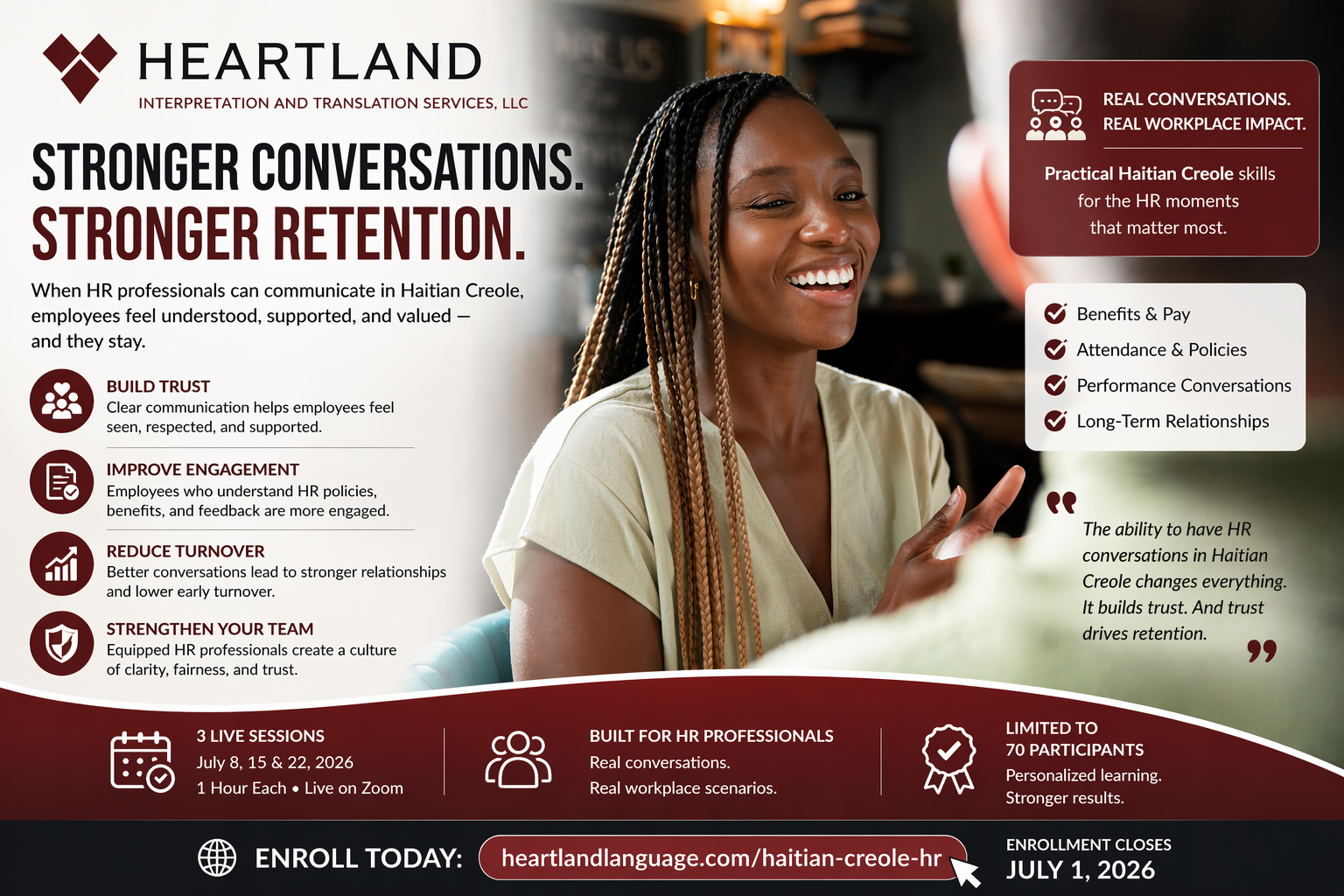
Retaining Haitian Creole-Speaking Employees: The HR Communication Strategy That Works

The Local Advantage: Why a Louisville-Based Translator LLC Beats Out Global Agencies
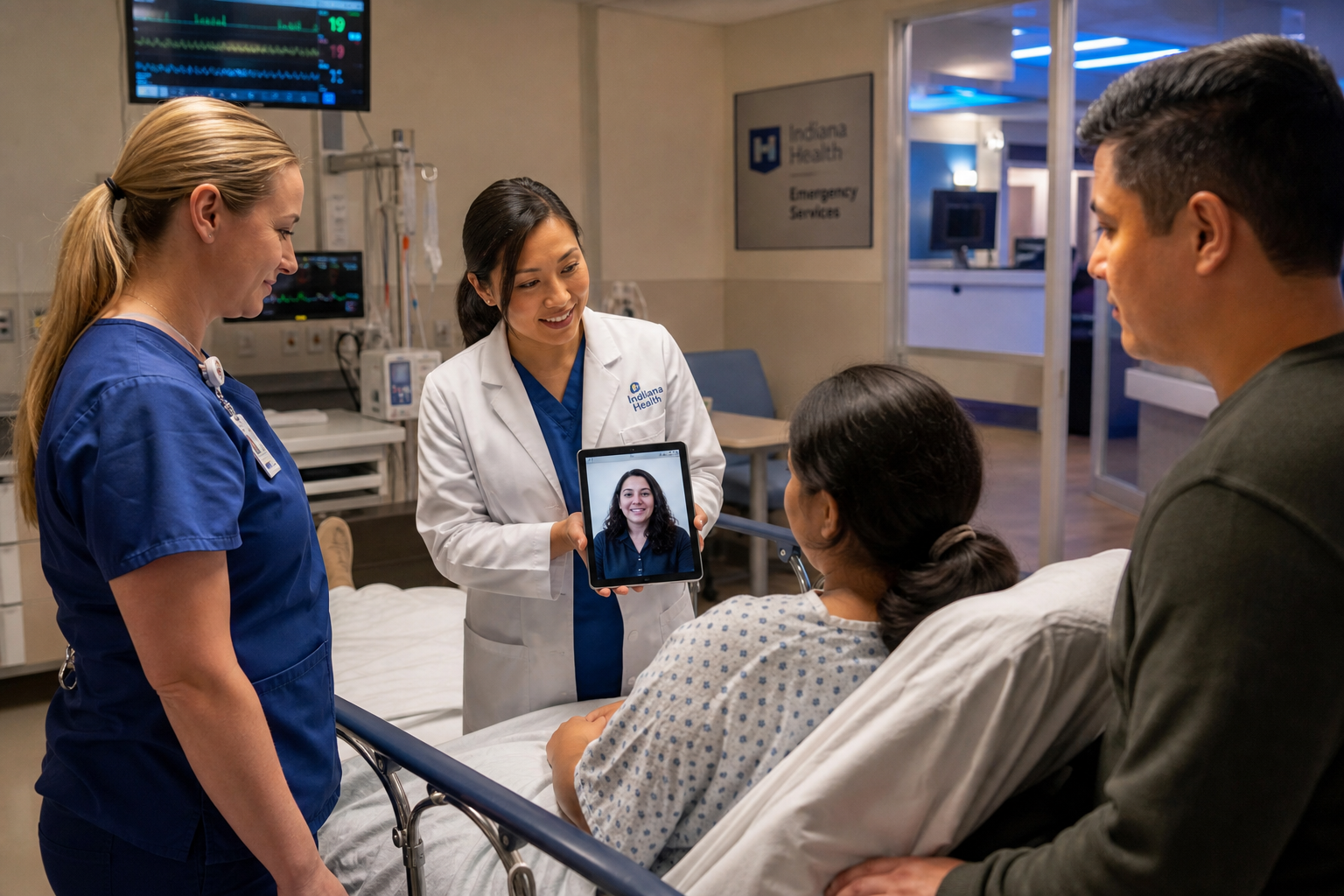
Why Indiana Hospitals Need 24/7 Interpreter Access — And How to Get It
Indiana hospitals serve patients who speak 50+ languages. Learn why around-the-clock interpreter access is a legal requirement, a patient safety imperative, and a practical necessity for Tri-State healthcare providers.
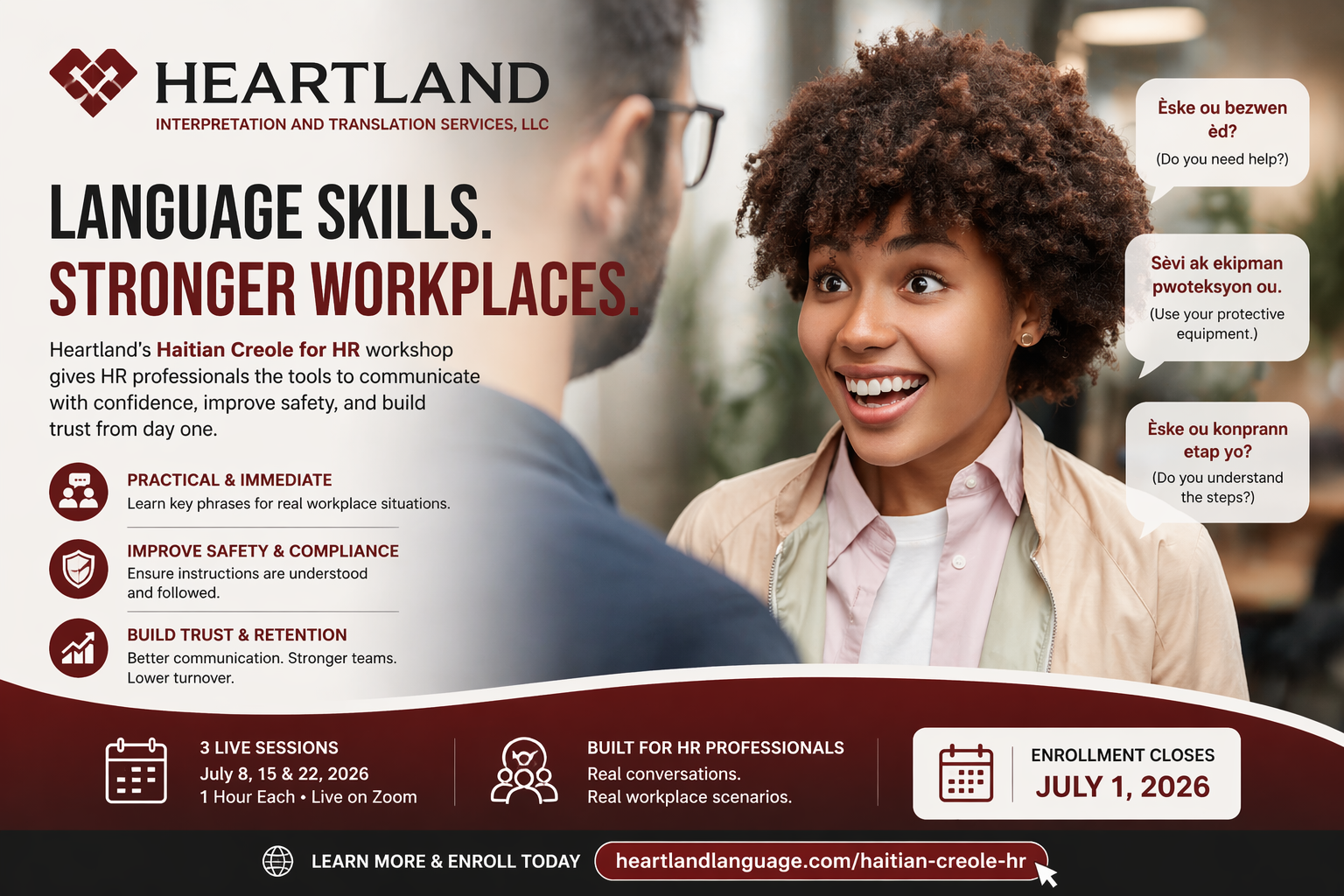
Communicating Workplace Safety to Haitian Creole-Speaking Employees
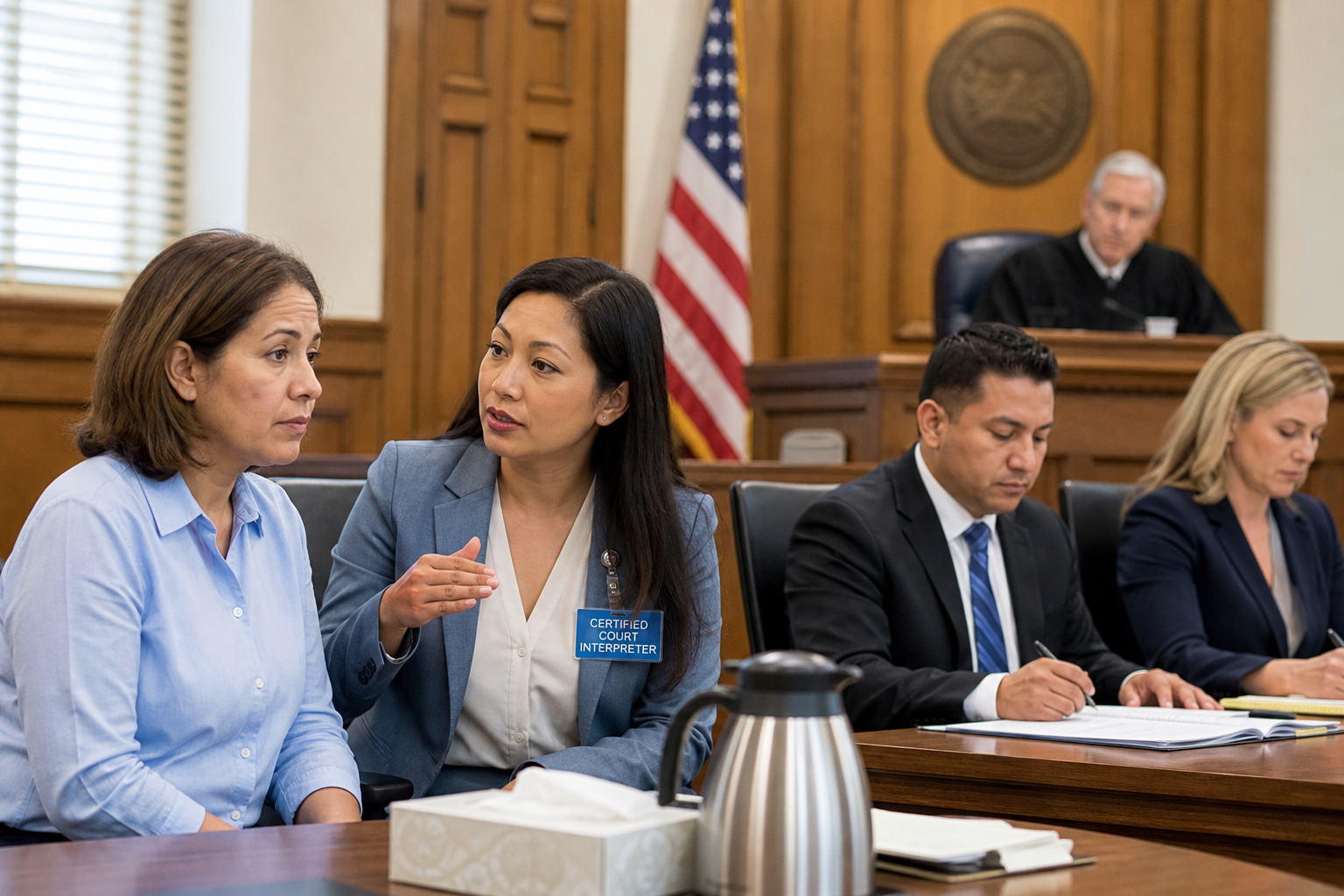
Why Indiana Courts Require Certified Interpreters — And What Law Firms Need to Know

Empowered by Confidence HR Professionals Bridge the Language Divide
Most HR teams in Indiana and Kentucky built their multilingual instincts around Spanish — and Spanish came with a workaround. A bilingual line lead, a supervisor who grew up in a Spanish-speaking household, something to lean on. Haitian Creole doesn't have that.

The Culture-First Lens: Navigating Implicit Bias in Spanish to Build Deeper Trust
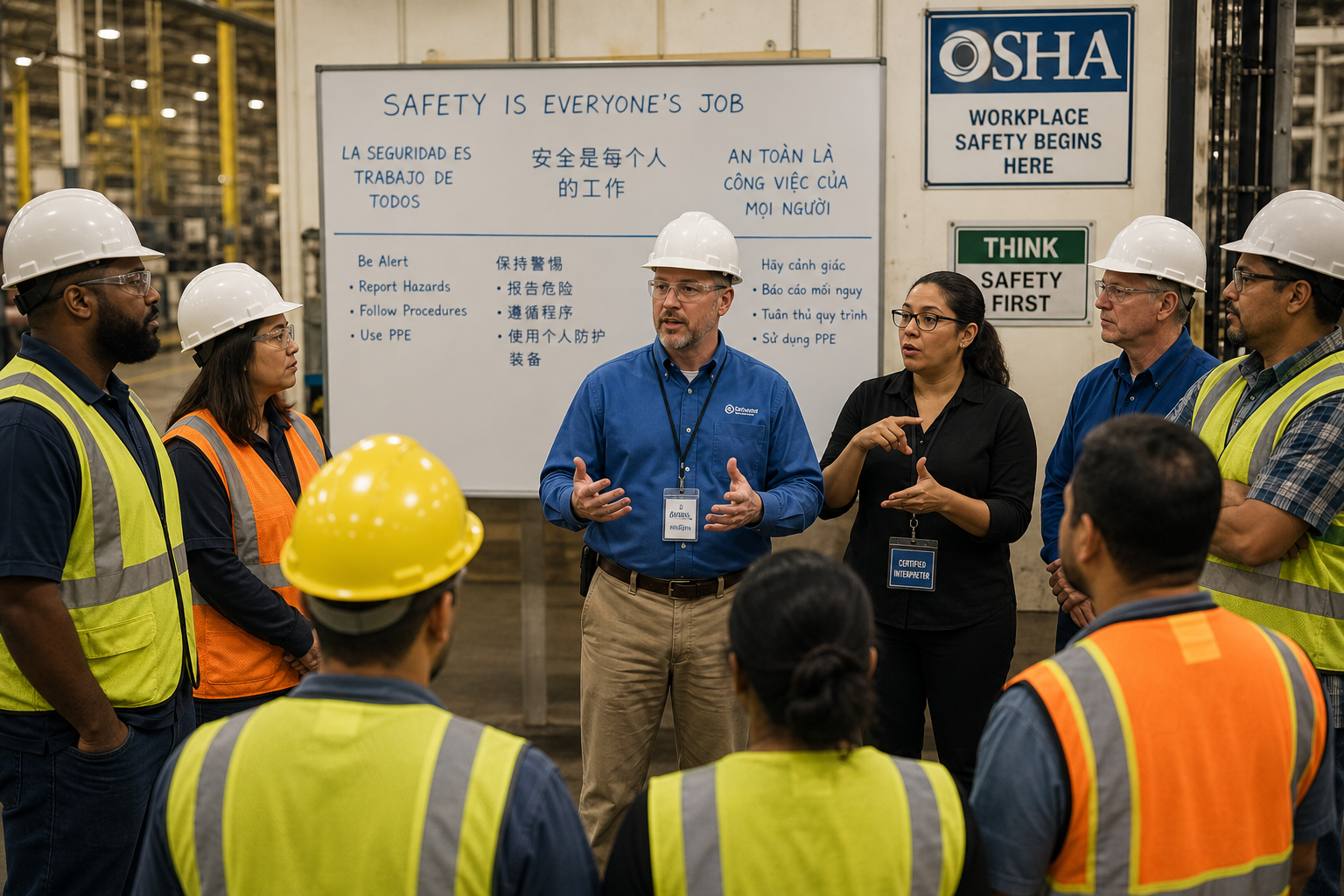
Multilingual Safety Meetings: How On-Site Interpreters Reduce Workplace Injuries in Indiana Factories

How Medical Interpreting Prevents Misdiagnosis: A Guide for Evansville Healthcare Providers

The Language of Safety: Why Haitian Creole Fluency is the New Standard for Tri-State Operations
How to Onboard Haitian Creole-Speaking Employees More Effectively

Language Barriers in the Workplace: What the Spring Spanish Cohort Taught Us About HR Communication
The forms came back signed. It looked like it worked. But two weeks later, the new hire showed up at the window — he didn't know he had health insurance. This is what language barriers actually look like in HR, and what we built to fix it.