
Safety training
The session happens. People who do not speak English well leave without the procedure they need on the line. Attendance is not the same as understanding.
Based in southwest Indiana. Supporting language access nationwide. Available when it actually matters.Based in southwest Indiana. Supporting language access nationwide. Available when it actually matters.
Industries
Safety training, written procedures, new-hire onboarding, and supervisor conversations break down when people do not share a language. A manufacturing language program is scoped to your shifts, your floor, and the documents your teams already use.
The problem
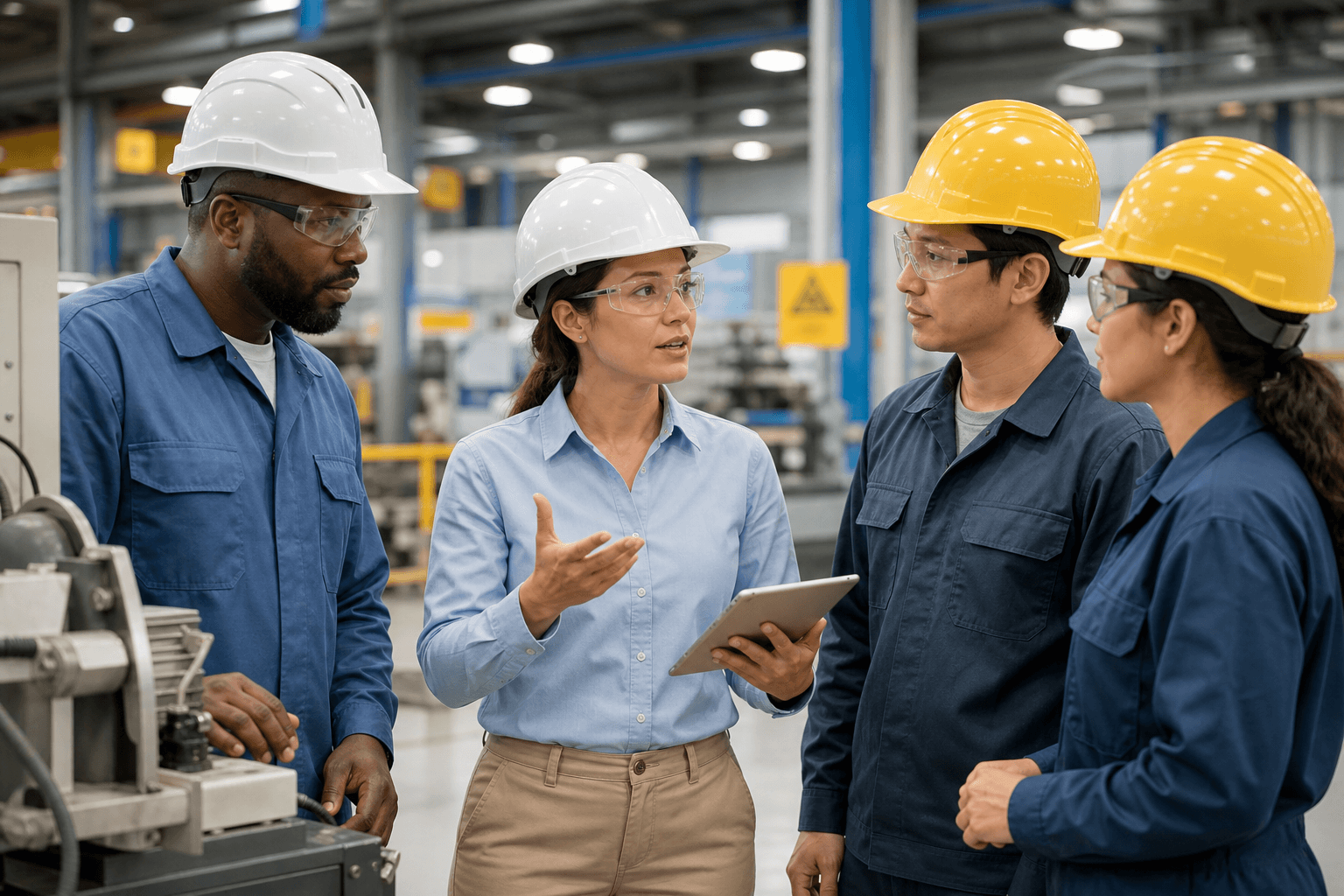
Plants rarely ask for languages in the abstract. They call when one of these is already costing time or creating risk.
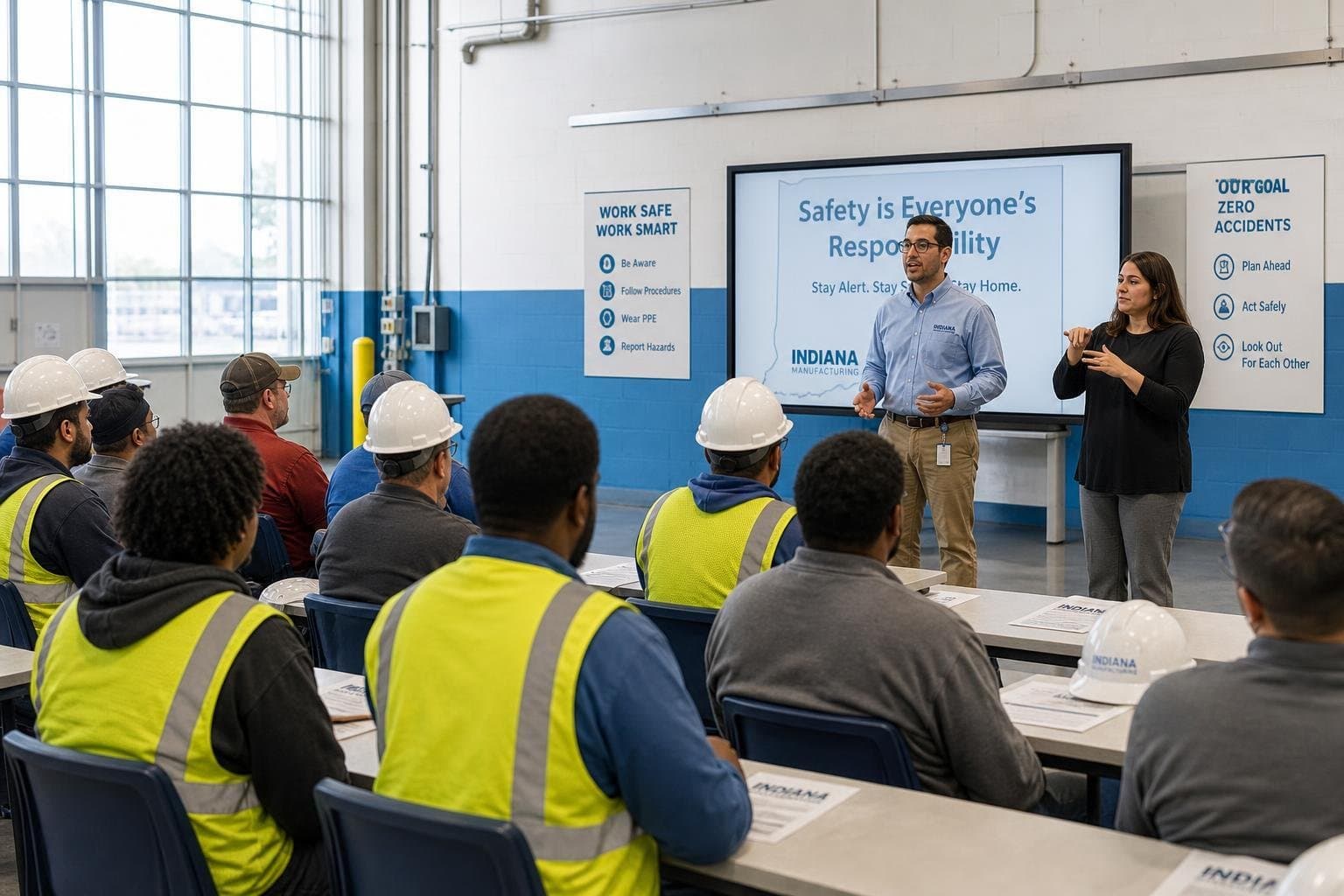
The session happens. People who do not speak English well leave without the procedure they need on the line. Attendance is not the same as understanding.
Procedures, safety guidelines, and employee handbooks stay in English. The document and the job stop matching, and supervisors re-explain the same step on every shift.
Orientation, safety rules, and how the line actually runs are easy to miss on day one. A new hire who cannot ask a question starts behind.
People leave when they cannot report a problem, understand feedback, or see a path forward. Language is often part of that story, even when it never shows up as the reason on an exit form.
Shift handoffs, coaching, and corrective conversations stall when the supervisor and the employee do not share a language. The work waits while someone finds a coworker to interpret.
The program
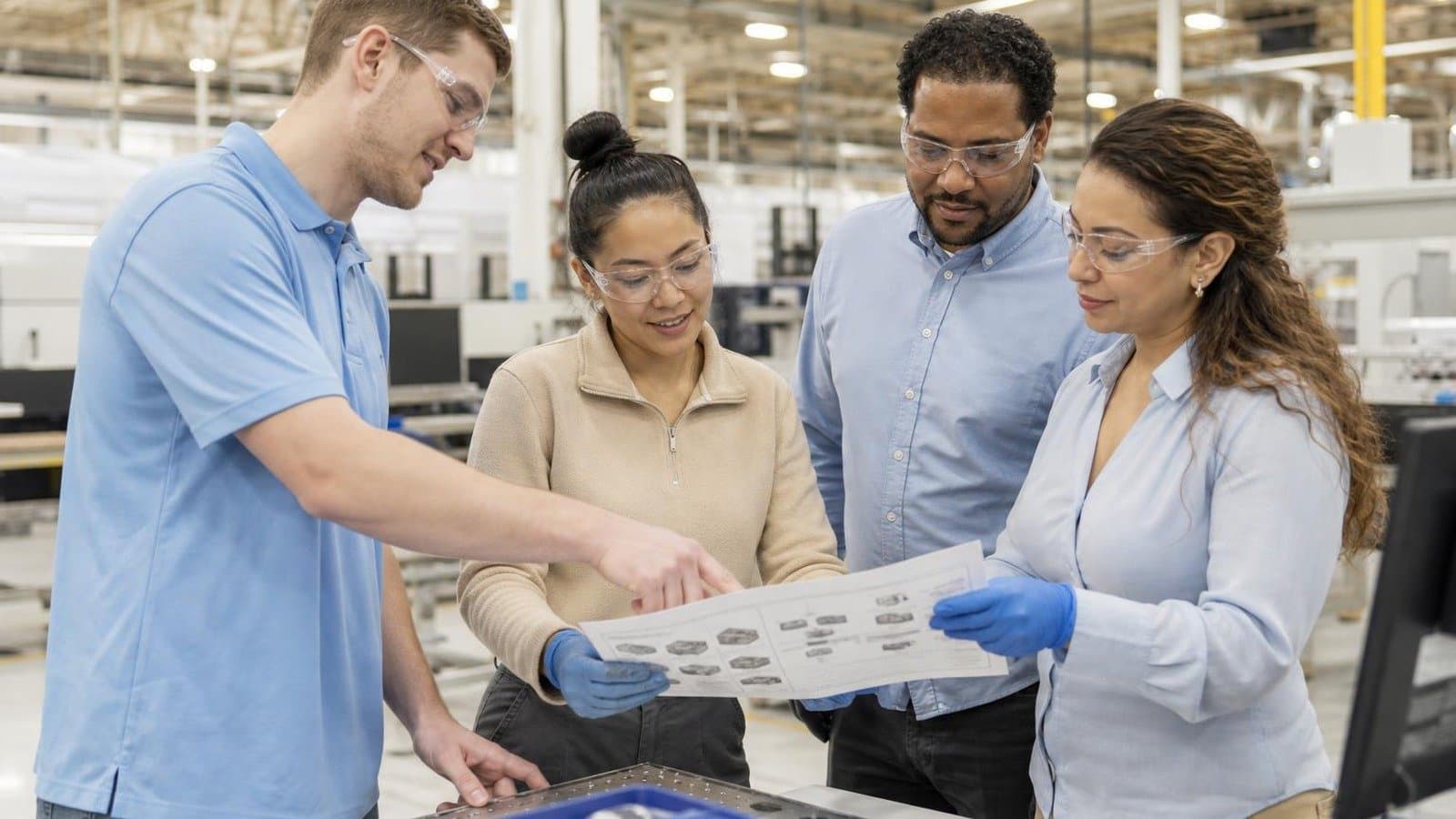
We build the program around your operation. Interpreting, translation, and workplace language training can sit in one plan. Language proficiency testing stays a separate service. It is not part of corporate language training.
On-site or remote interpreters for orientations, toolbox talks, and safety sessions, scheduled around the shifts you already run.
Procedures, safety guidelines, and employee materials in the languages your workforce uses. When a document changes, the translation can change with it.
English for Business and Spanish for supervisors, built from your own workflows rather than a generic textbook. Program length is an option you choose. It is not the headline. This is corporate language training, and it is separate from proficiency testing.
Interpreters and translated materials for the first days on the job, so new hires hear the same information as everyone else.
Use testing when you need an objective score for hiring, promotion, or a stated proficiency requirement. It is its own service. It is not bundled into a training course, and it is not part of corporate language training.
Proof
These programs are already running: 24/7 coverage for a plant producing 700,000+ assemblies a month, and nearly 40% lower turnover among Haitian employees at a Southern Indiana plant after HR language training.
EnovaPremier
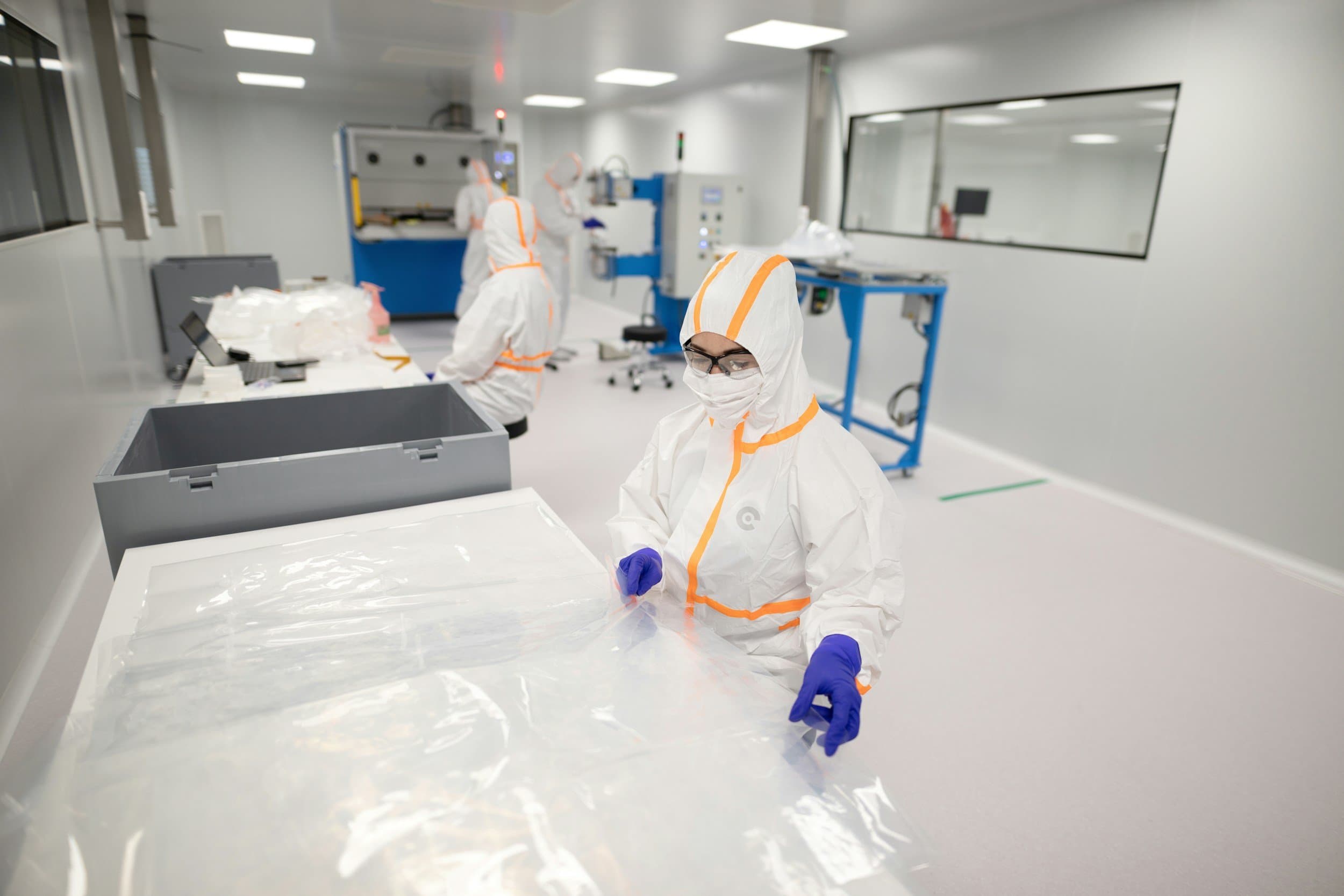
A certified Minority Business Enterprise producing 700,000+ assemblies per month needed reliable Spanish, Haitian Creole, and French support for orientations and safety training. Heartland built a 24/7 interpreting and translation program around their shift patterns.
Little Kentucky Smokehouse
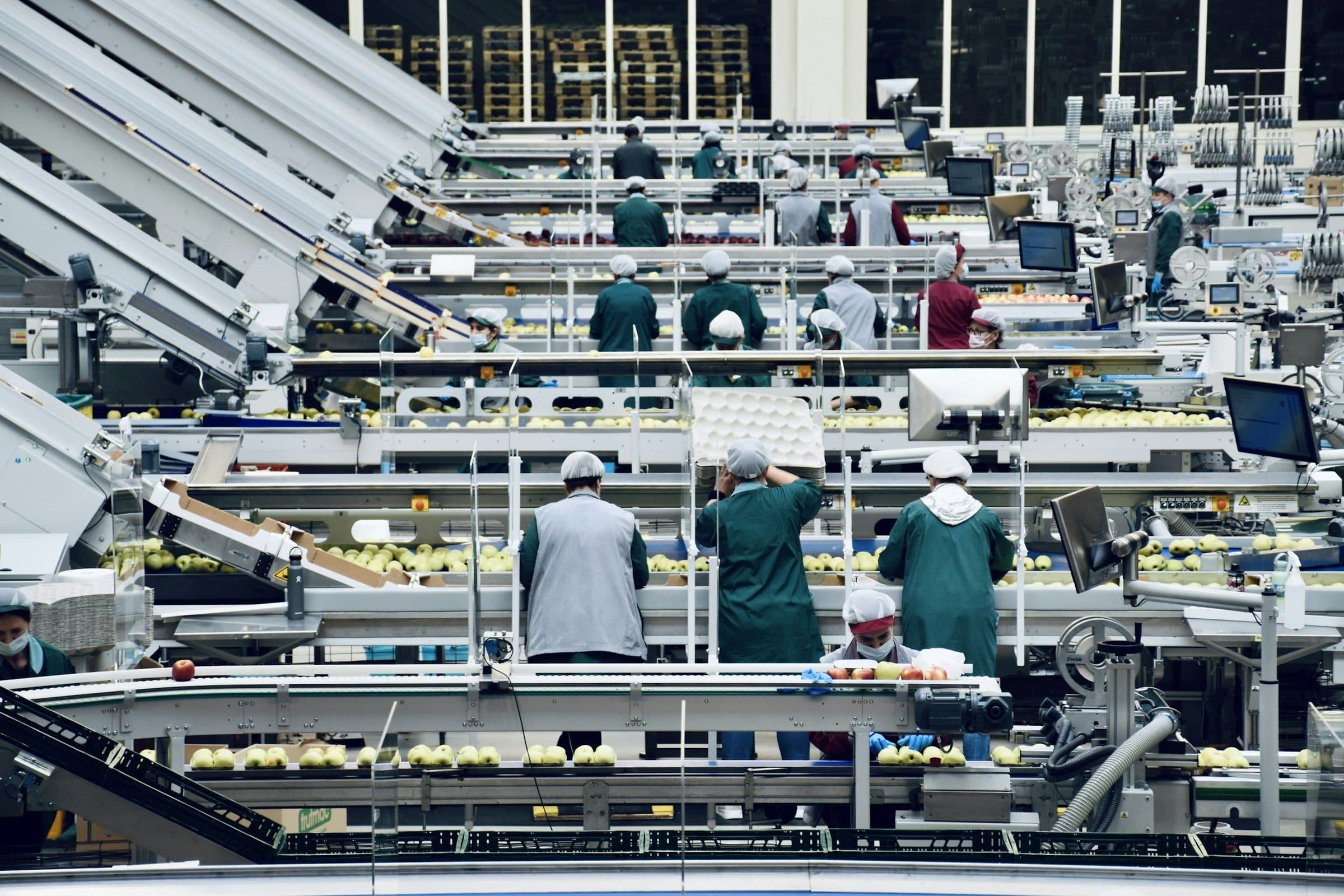
As production boomed, this family-run producer's Spanish-speaking workforce grew — and English-only GMP/SQF and safety training left comprehension gaps. An embedded on-site Spanish interpreter on retainer closed them.
Anchor Industries
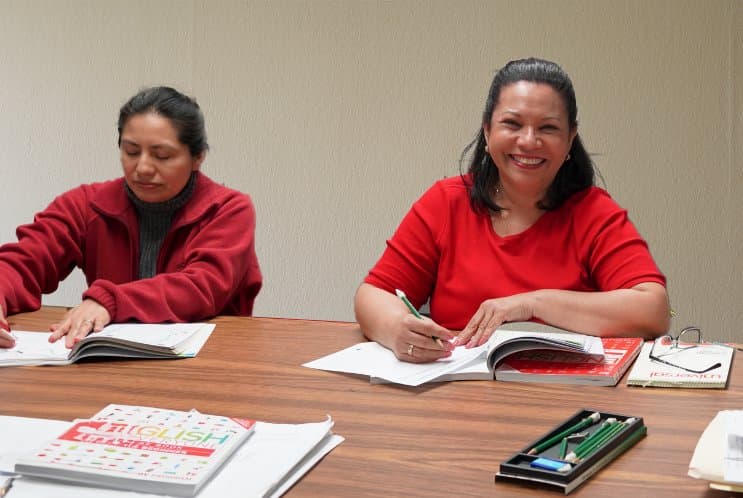
A fifth-generation manufacturer with 300+ employees needed its multilingual team to discuss technical work confidently in English. Weekly on-site ESL classes built around Anchor's actual workflows are now institutionalized in their onboarding.
Century Aluminum
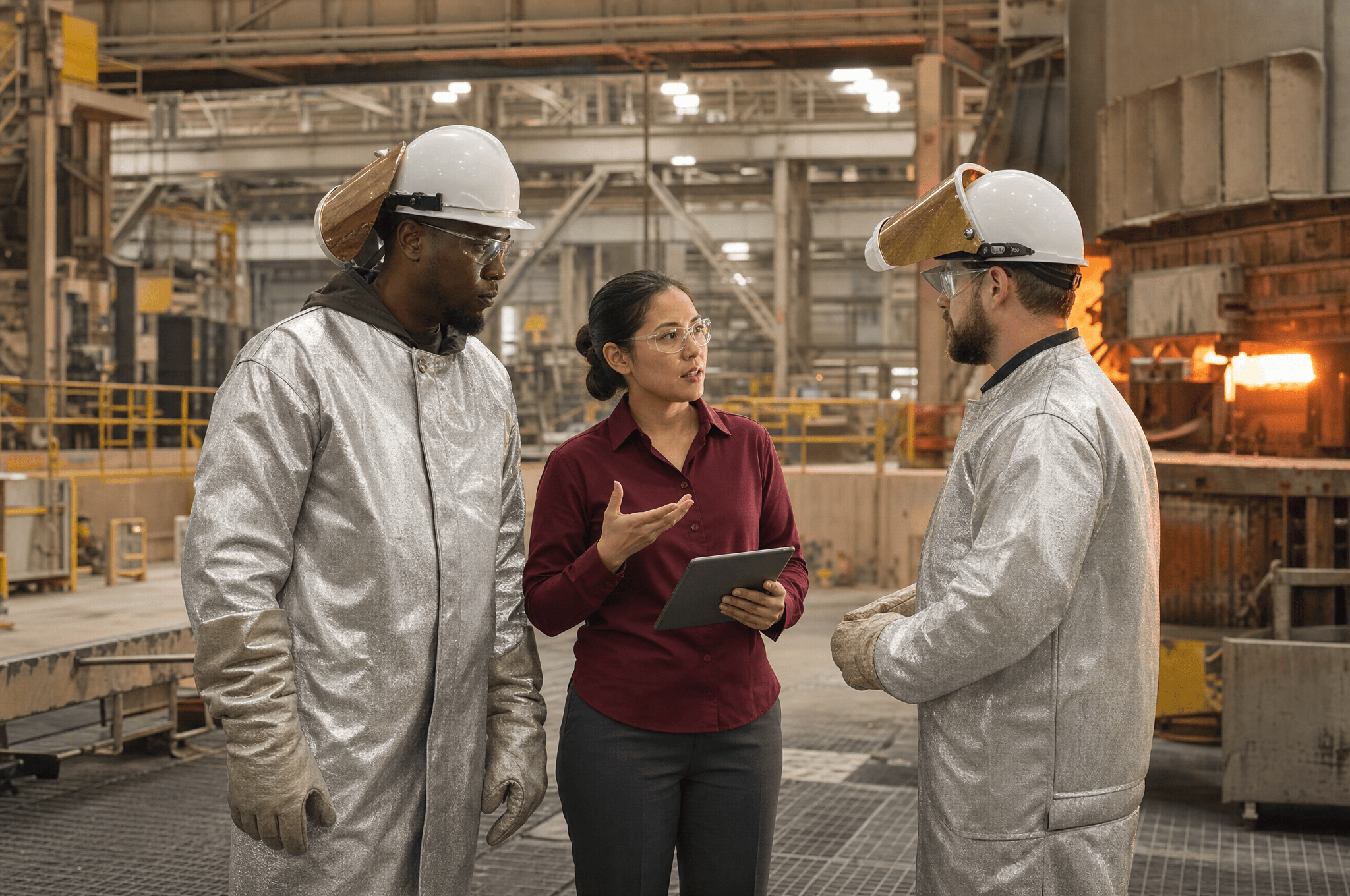
At Century Aluminum's Sebree smelter, Heartland delivered its 16-week English for Business program to help a diverse workforce communicate confidently in one of the most demanding industrial environments in the region.
Food, automotive, aluminum, plastics, and dairy each run differently. Start with the floor that matches yours.
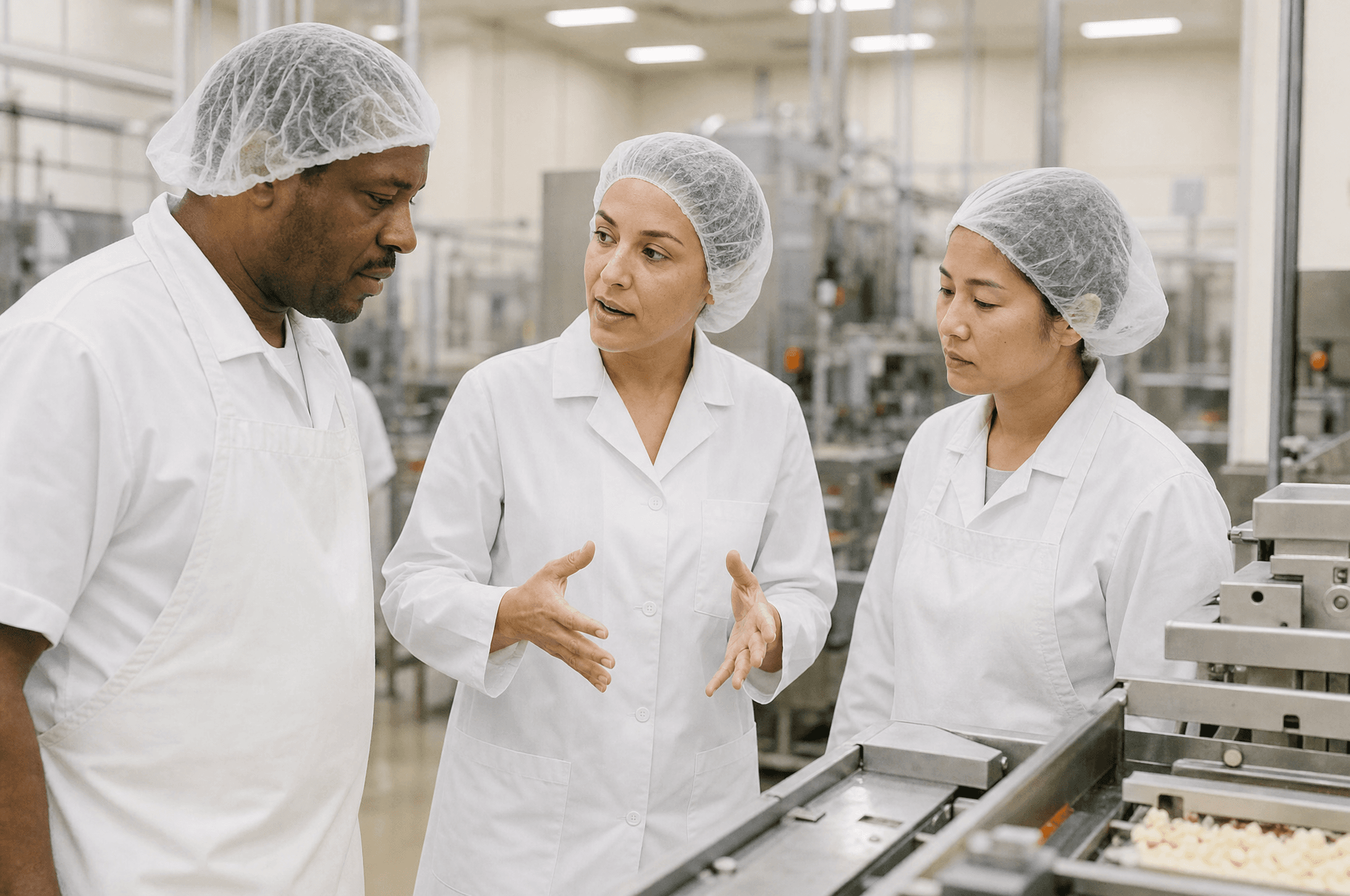
Bridging communication gaps for a safer, more productive food processing environment.
Explore →
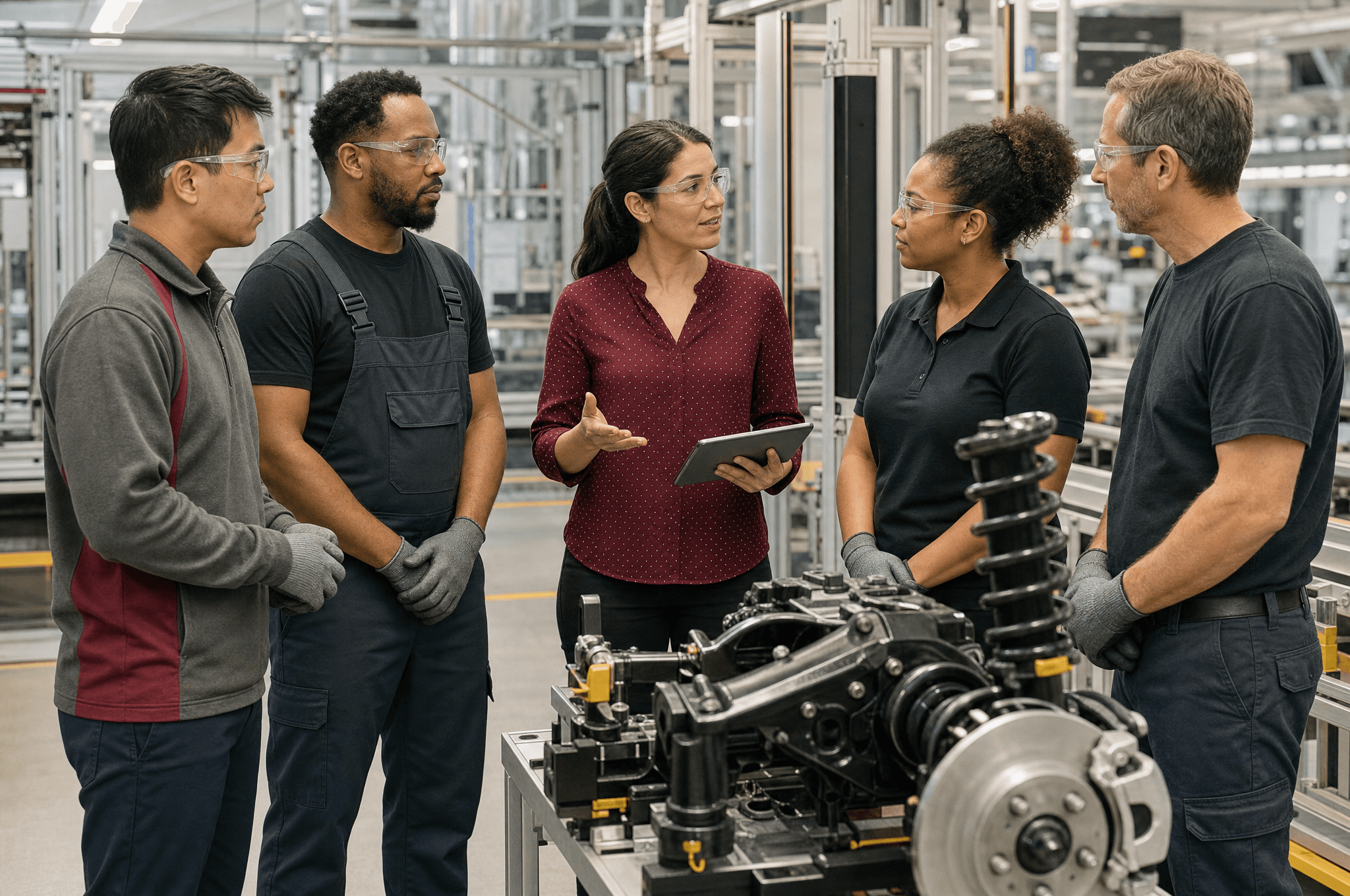
Keeping production lines moving and workers safe through expert language solutions.
Explore →
Clear communication. Safer smelters. Stronger output.
Explore →
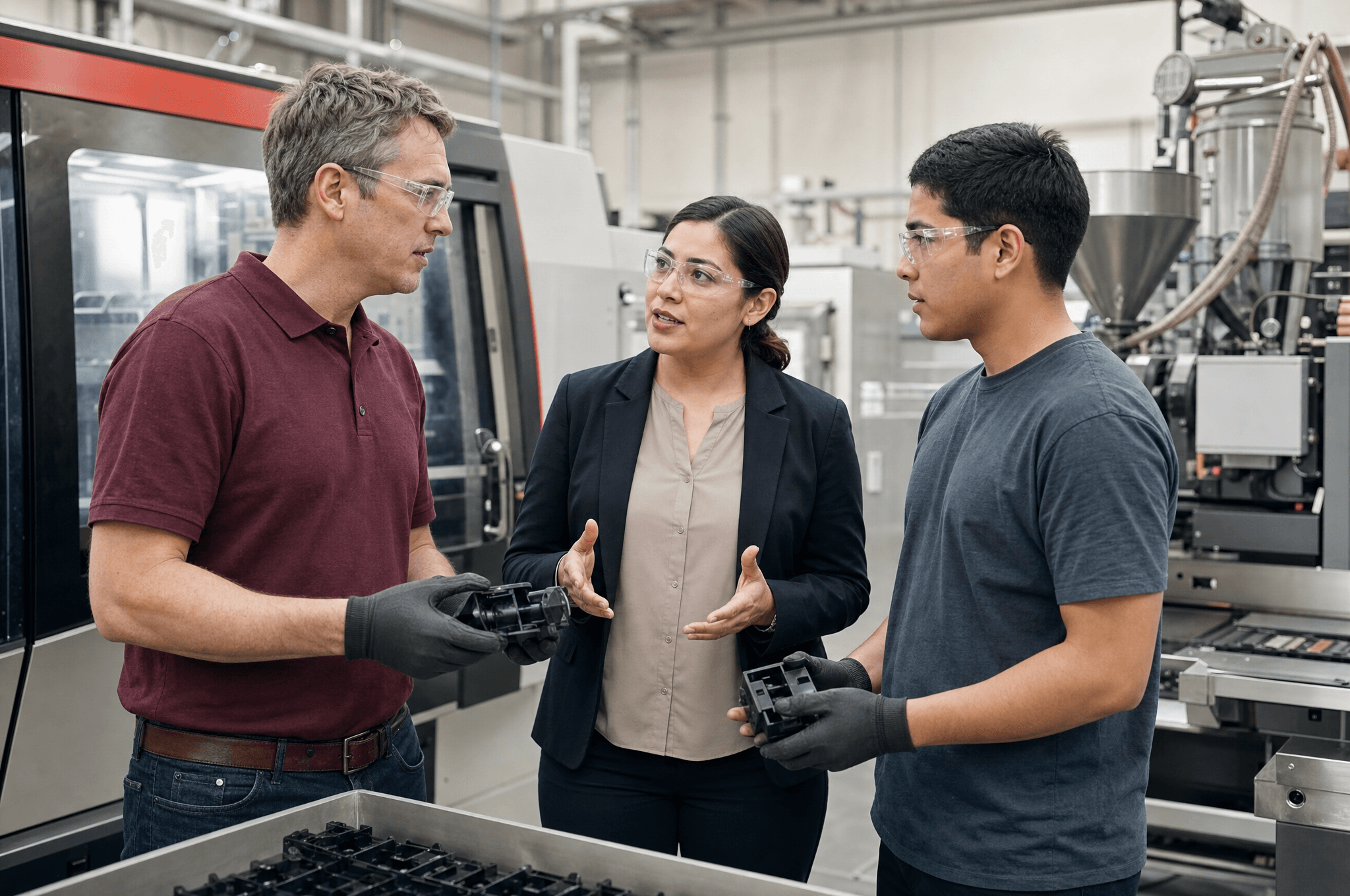
Precision communication for a precision industry.
Explore →
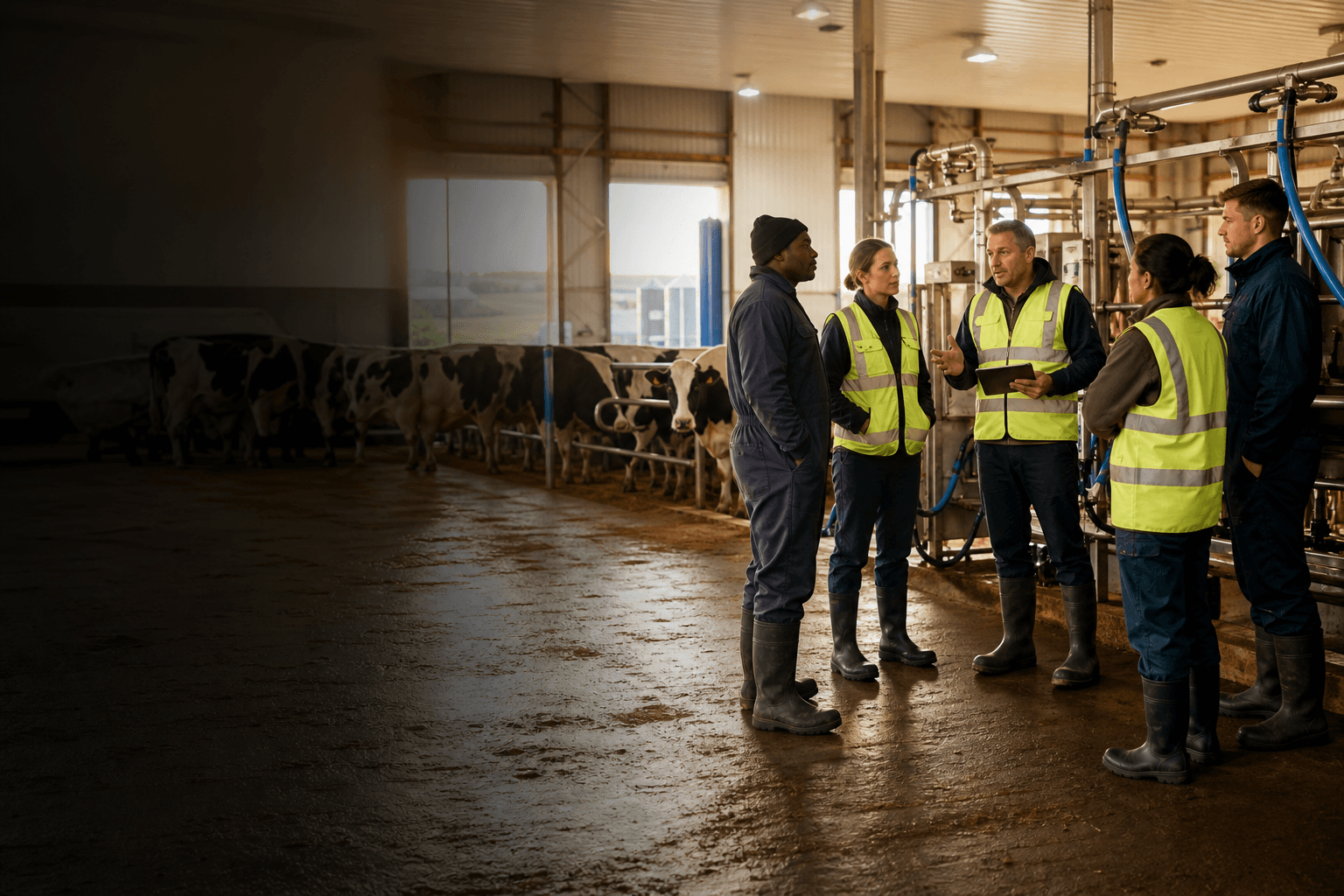
Clear communication for safe, consistent dairy operations.
Explore →
A real team member responds within 24 hours.